
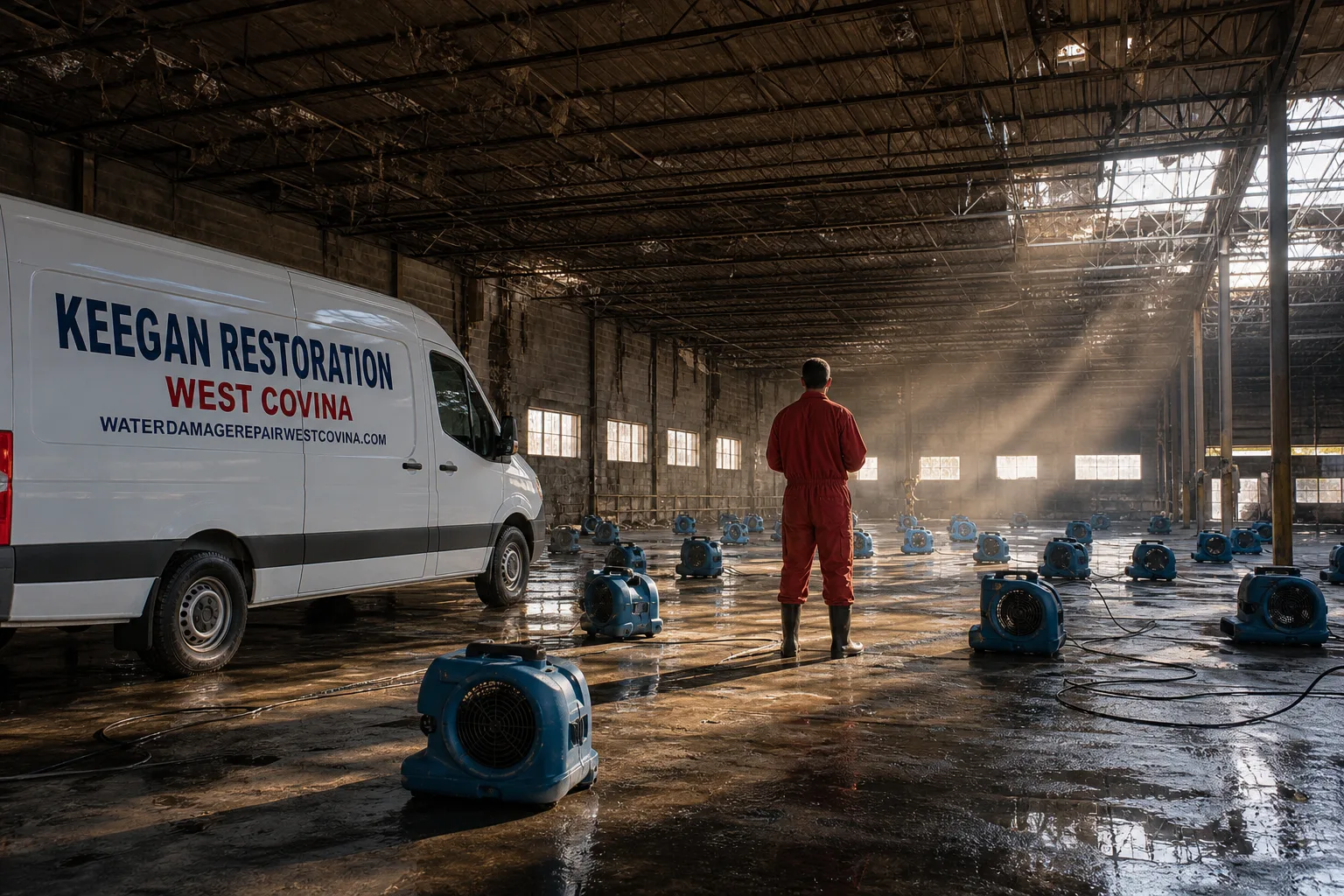
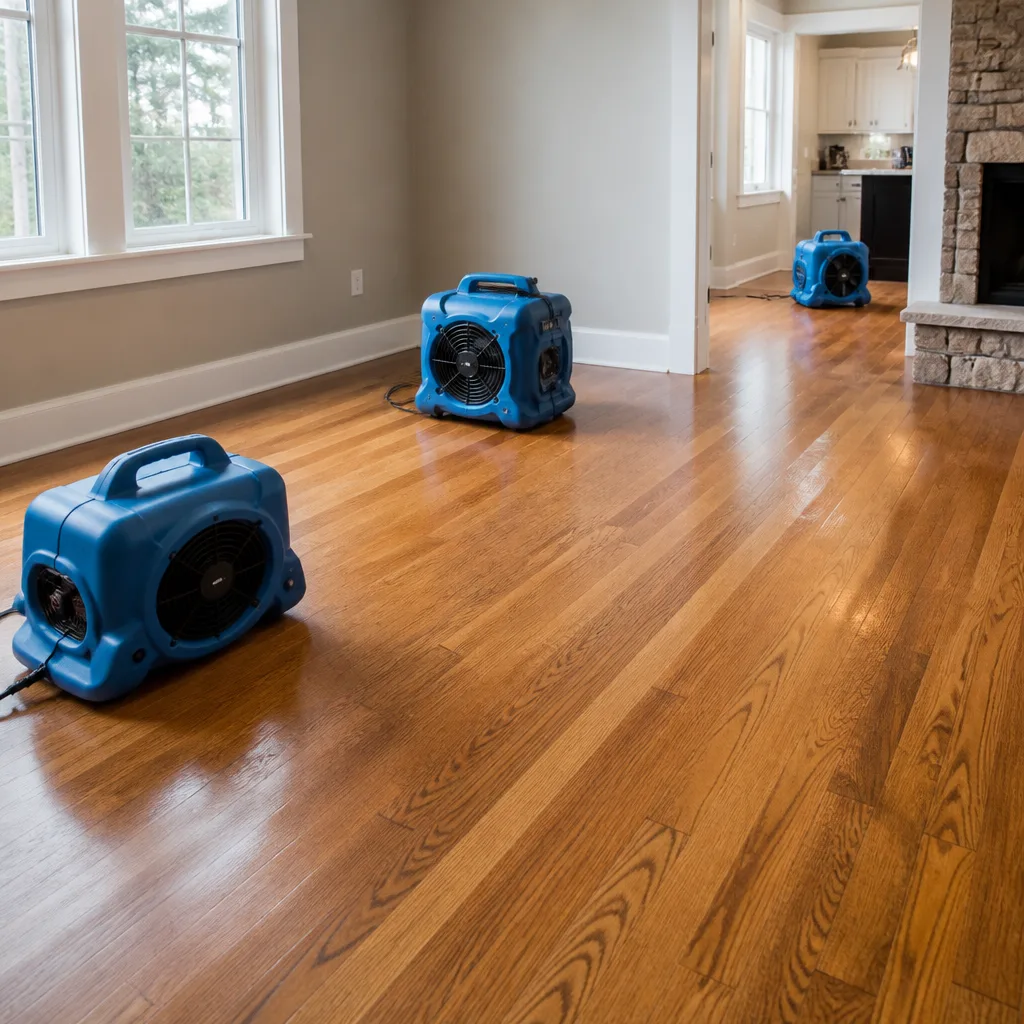
 Water damage drying
 Fire & smoke cleanup
 Mold remediation
 Storm response
 Sewage cleanup
 Reconstruction
Free visual inspection and a written scope of work before any mitigation begins - photos, moisture readings, and drying logs go in your claim file
The scope we write is the scope we bill. Anything new gets shown to you, in writing, before we touch it.
Get your free estimateRestoration work we handle
See the difference
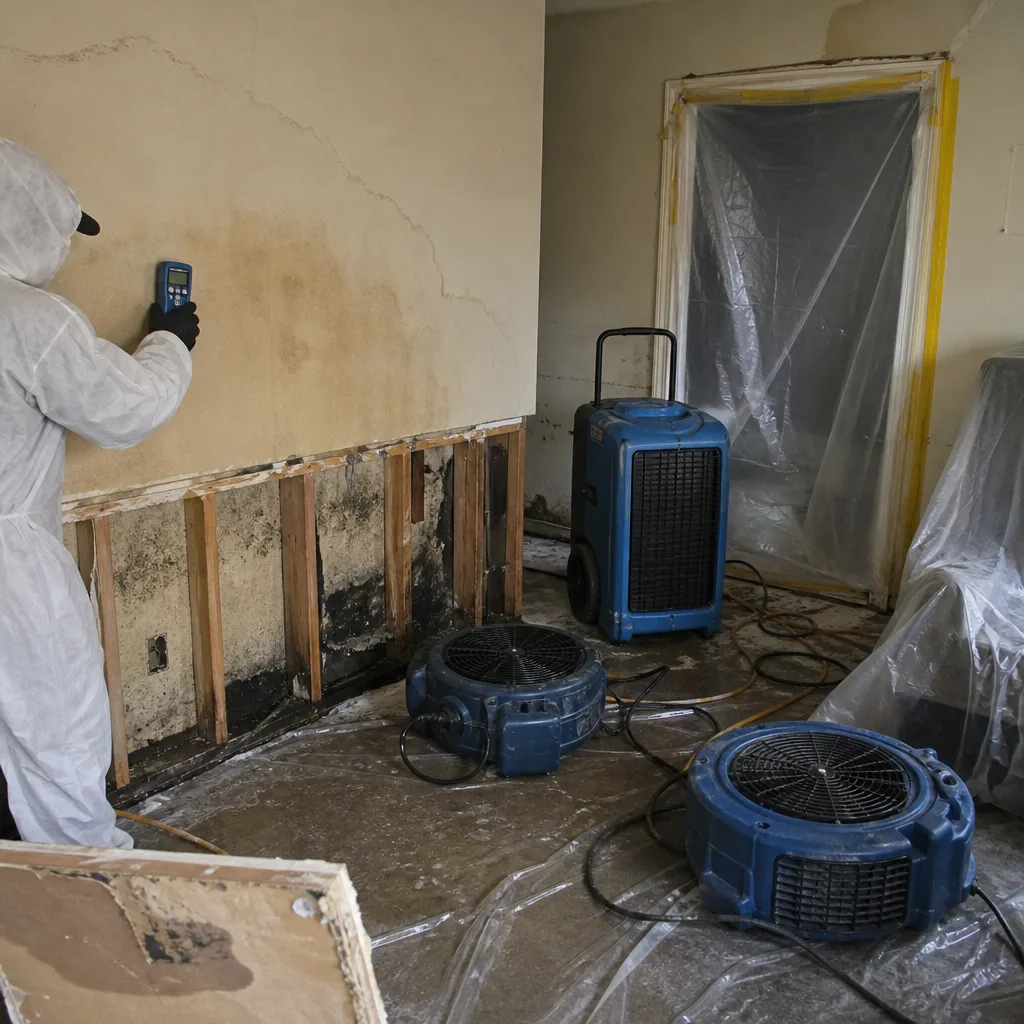 Before
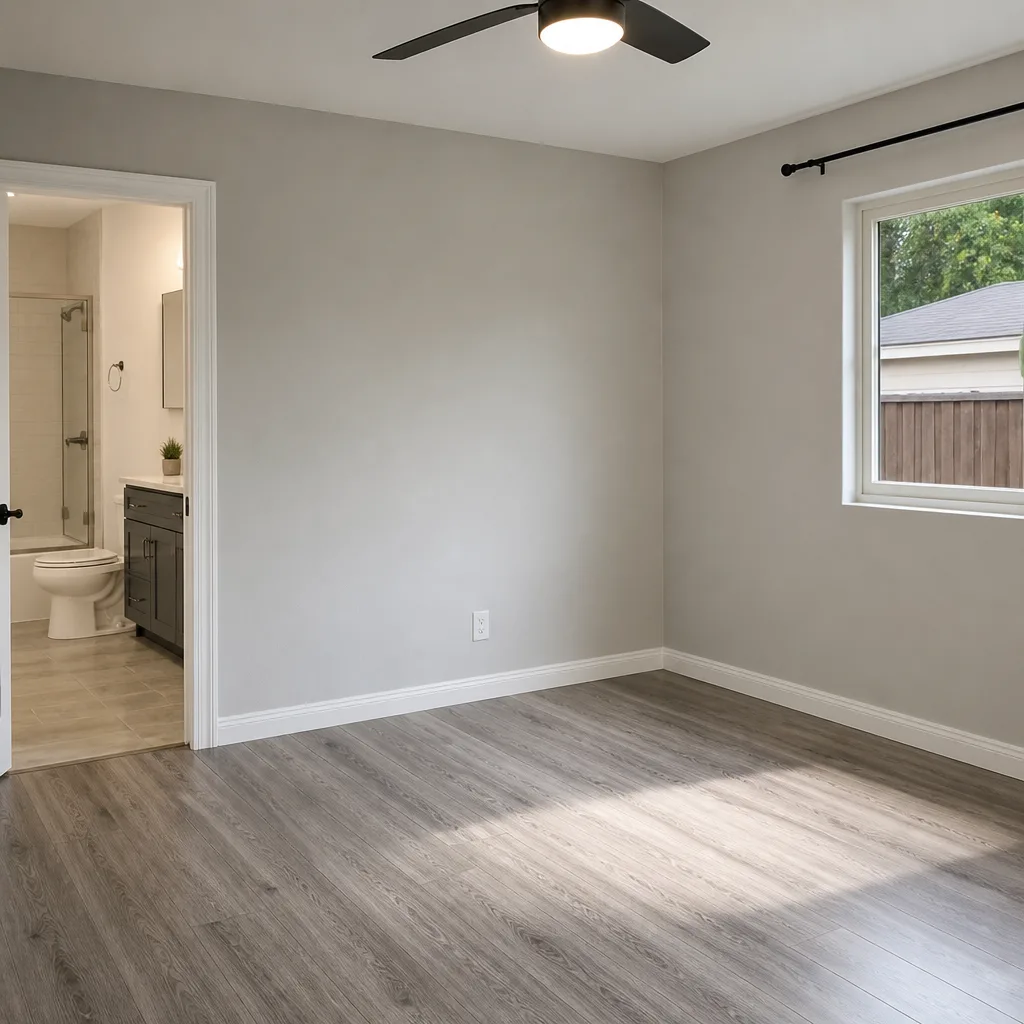 After
After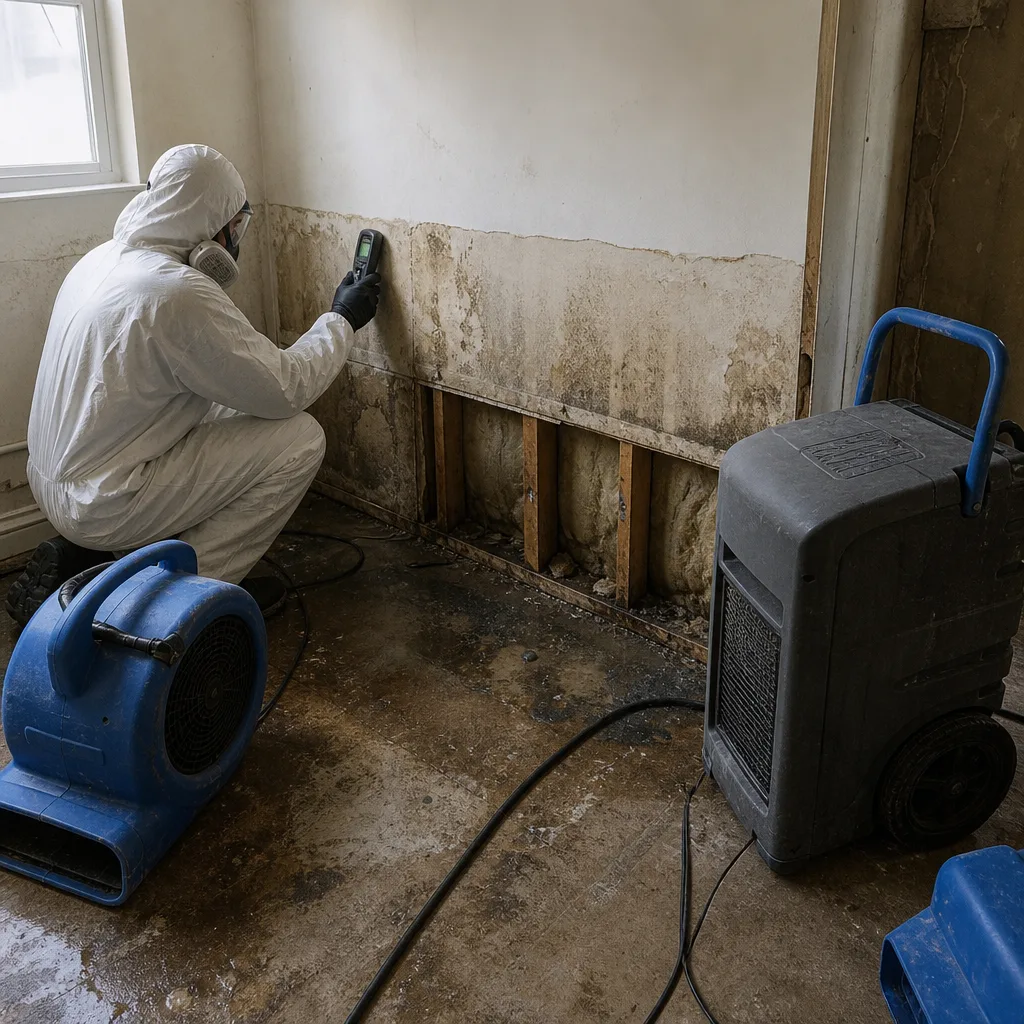 Before
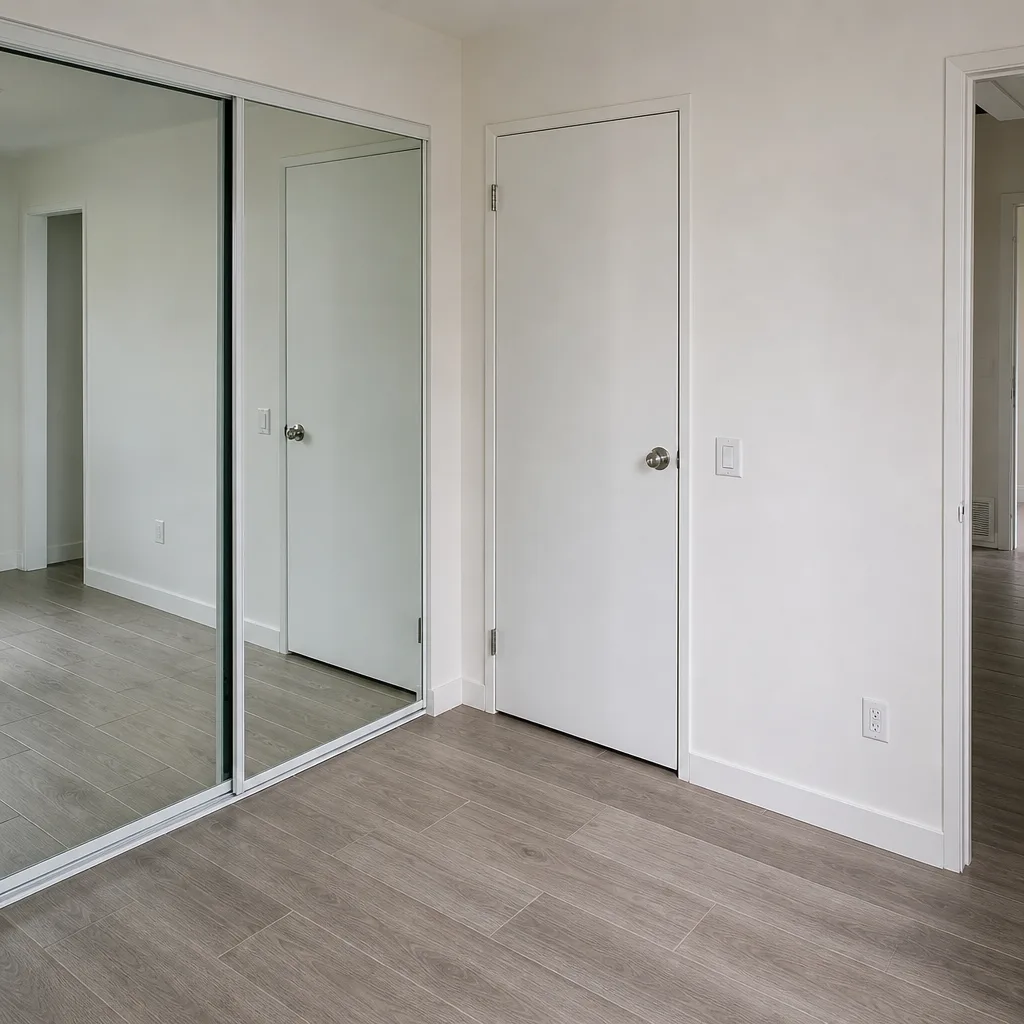 After
After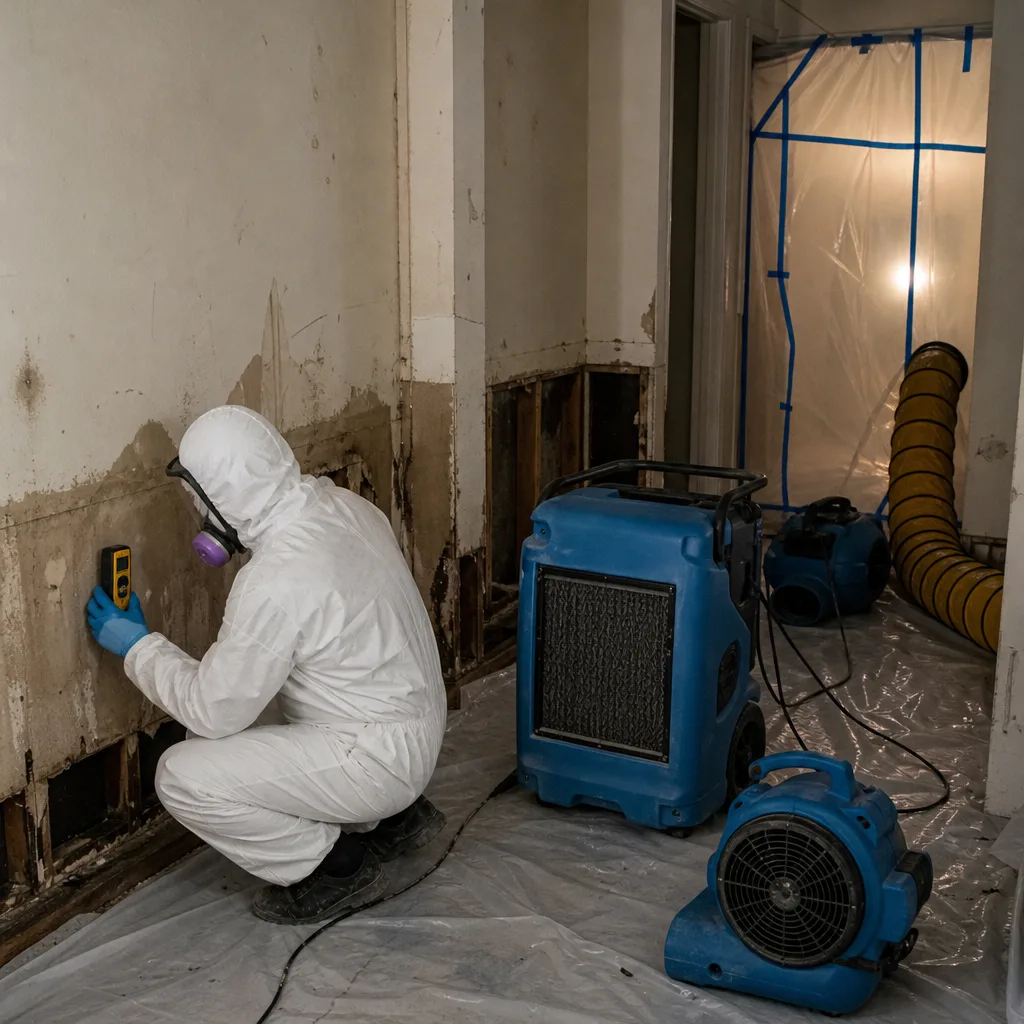 Before
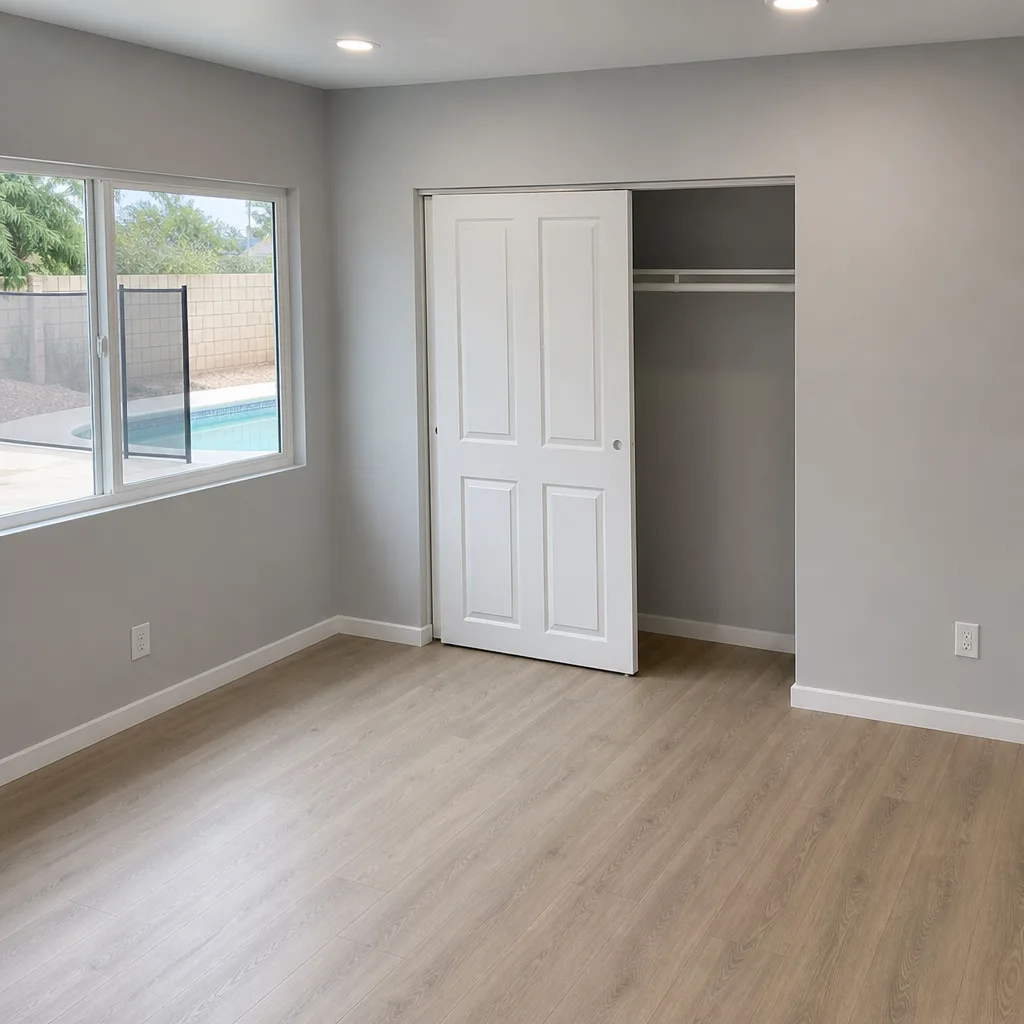 After
AfterHow Much Does Water Damage Restoration Cost in West Covina?
Water Damage Restoration services in West Covina typically cost $2,400 to $7,800 for a full-service job in 2026, with most homeowners spending around $4,100. Small, contained leaks (a bathroom supply line, a water heater pan overflow) often land between $900 and $1,800, while a sewer backup or a slab leak affecting multiple rooms can run $10,000 to $25,000 or more. The final number depends on how much water moved, how long it sat, and what it touched.
If you’re searching for Water Damage Restoration Near Me in West Covina, CA, these numbers reflect what we actually see across the local housing stock: mid-century ranch homes south of the 10, two-story builds up in the hills above Cameron Park, and everything in between. Every house responds to water differently, which is why we put the price in writing before any work starts. One thing to know up front: free estimates are standard in this market, and you should never accept a verbal ballpark that changes at the door.
Water Damage Restoration Cost Breakdown (2026)
| Service Line Item | Typical Cost Range (West Covina) | What It Includes |
|---|---|---|
| Emergency water extraction | $350 – $900 | Arrival, standing water removal with truck-mounted extraction, initial moisture mapping |
| Structural drying (3 to 5 days) | $1,200 – $3,800 | Air movers, desiccant or refrigerant dehumidifiers, daily moisture readings, psychrometric tracking |
| Baseboard and drywall removal | $400 – $1,600 | Cutting and removing saturated drywall up to 24 inches above the water line, baseboard removal, disposal |
| Carpet and pad replacement | $600 – $2,200 | Pad replacement is mandatory after saturation; carpet may be salvageable depending on water source |
| Antimicrobial application and sanitation | $250 – $700 | Treating affected surfaces to prevent microbial growth after drying |
| Subfloor repair or replacement | $800 – $3,500 | Depends on material: particle board fails fast, plywood is sometimes salvageable, concrete slab needs cleaning and sealing |
| Hardwood floor restoration | $1,500 – $6,000 | Cupping and crowning repair, sometimes full board replacement if water sat more than 48 hours |
| Mold remediation (when needed) | $1,800 – $7,000 | Containment, HEPA air scrubbing, affected material removal, clearance testing |
| Repainting and finish work | $500 – $1,800 | Priming and painting repaired drywall, reinstalling trim |
This is the line-item view we use when we build a scope of loss for a West Covina homeowner. A scope of loss is just the restoration industry’s term for a written, room-by-room breakdown of what got wet, what gets dried, and what gets cut out. Every job we run gets one, and the price attached to it is the price on the invoice.
What Drives the Price Up or Down
The biggest cost swing comes from the difference between clean water (a supply line, a shower pan leak) and contaminated water (sewer backup, washing machine discharge that sat overnight). Clean water jobs are cheaper because drying and cleaning are faster. Contaminated water forces us to remove more material, treat more surfaces, and spend more time on containment. In West Covina, homes built before 1980 often have cast iron drain lines that are now failing, and we see a disproportionate number of sewer-related losses in the neighborhoods off Azusa Avenue and around Merced. That matters because Category 3 water (sewage) always costs more to remediate than Category 1.
Square footage matters less than most people assume. A 2,000-square-foot slab foundation home with water damage in one hallway can be a $1,500 job, while a 900-square-foot condo with a ceiling collapse from a second-floor toilet overflow can hit $9,000. What matters is what got wet, how long it sat, and whether the water wicked into drywall, subfloor, or structural framing.
What Affects Water Damage Restoration Pricing in West Covina
- Water category and contamination level. The IICRC classifies water damage into three categories. Category 1 (clean supply water), Category 2 (gray water from washing machines or dishwashers), and Category 3 (sewage or flood water). Each step up adds labor, protective equipment, material removal, and disposal cost. In West Covina, storm water intrusion from roof leaks during heavy winter rain is typically Category 2 because it picks up attic dust and insulation.
- How long the water sat before discovery. A slab leak in a South Hills home that gets caught within hours might dry out for $2,000. The same leak gone for a week forces drywall removal, baseboard pull, subfloor replacement, and often mold remediation, pushing the total past $8,000. Water that moves through a house for days creates a completely different job than water stopped the same afternoon.
- What your floors are made of. Tile over a concrete slab (common in many West Covina ranch homes) dries fast and often survives with just a dehumidifier and antimicrobial treatment. Hardwood absorbs water and cups. Particle board or OSB subfloor swells and loses structural integrity, which means cutting it out and replacing it.
- Ceiling and wall cavity involvement. If water found its way into the drywall and dropped a ceiling, we’re now doing drywall replacement, insulation removal, and repainting. That’s where the $400 drywall job turns into a $3,000 rebuild. Wall cavities in older West Covina homes often lack proper vapor barriers, which allows water to wick higher up the studs.
- Access and demolition requirements. Water behind a refrigerator or under a built-in vanity requires appliance removal and sometimes cabinet pull. Water in an attic requires ladder work and blown-in insulation removal. Every extra step adds labor hours, and labor is the core of most restoration invoices.
- Drying equipment needed. A small bathroom leak might need two air movers and a refrigerant dehumidifier for three days. A flooded garage or ground floor might require a desiccant unit, which pulls far more moisture per hour but costs more per day to operate. We use Dri-Eaz, Phoenix, XPOWER, B-Air, and Injectidry equipment, and the daily equipment load directly affects the structural drying line item.
Water Damage Restoration Cost Timeline: How a Typical West Covina Job Unfolds
The cost isn’t just about the final number. It’s about how the job is sequenced, because each phase has its own labor and equipment cost attached. Here’s the order we work in on a standard West Covina restoration job:
- Initial response and extraction (hours 1 to 4). We arrive, stop the water at the source if it hasn’t been stopped already, and remove standing water. The cost here includes truck-mounted extraction equipment and the labor to move furniture and contents out of the affected area.
- Moisture mapping and scope of loss (hours 3 to 5). Technicians use moisture meters and thermal imaging to find where water traveled. This is where the written estimate is generated. Nothing gets cut or removed until you’ve seen the number.
- Controlled demolition (day 1, sometimes day 2). Saturated drywall, baseboards, and carpet pad are cut, bagged, and removed. In West Covina, we follow local disposal requirements for construction debris and any contaminated materials.
- Structural drying (days 2 to 5). Air movers and dehumidifiers run continuously. We come back daily to check moisture readings and adjust equipment placement. This is the phase where psychrometrics, the science of measuring moisture in air and materials, guides every decision.
- Sanitation and antimicrobial treatment (day 4 or 5). Once materials hit dry standard, we treat affected surfaces to prevent microbial growth before reconstruction begins.
- Rebuild and finish work (days 5 to 14). Drywall patching, baseboard installation, painting, and any flooring replacement. This phase is often the most variable in cost because material selections and paint finishes change the numbers.
If this is an insurance claim, we document every phase with photos, moisture readings, and daily logs formatted to support your claim. That documentation matters when the adjuster asks why a section of drywall was removed or why drying took four days instead of two.
How Much Does Water Damage Restoration Cost by Room in West Covina?
Some homeowners want the room-by-room view. Here’s what we typically see in West Covina homes and condos:
- Kitchen water damage: $1,500 to $5,500. Supply line leaks under the sink, refrigerator ice maker failures, and dishwasher discharge issues are the top causes. Particle board cabinet bases often need replacement because they swell and fail after saturation.
- Bathroom water damage: $900 to $4,200. Toilet flange leaks and shower pan failures dominate. Tile over slab floors often dry well, but drywall behind vanities and below the water line usually gets cut.
- Laundry room water damage: $800 to $3,800. Washing machine supply hoses burst, and the discharge hose pops off the standpipe more often than people expect. Laundry rooms on the second floor of newer West Covina townhomes cause ceiling damage below, which adds cost.
- Garage water damage: $700 to $2,500. Water heater failures are the standard culprit. Concrete garages are straightforward to dry, but stored contents often need disposal, and drywall shared with the house interior may need cutting.
- Ceiling water damage: $1,200 to $4,800. Attic water heater leaks, roof leaks during winter storms, and second-floor plumbing failures are the common causes. Ceiling drywall removal, insulation replacement, and repainting drive the cost here.
- Basement or lower-level damage: $3,000 to $12,000. Most West Covina homes are slab-on-grade, but hillside homes with daylight basements see water entry at the downhill wall. These jobs involve more extraction, more drying time, and often foundation drainage issues.
Water Damage Restoration Cost vs. Replacement: What’s Worth Saving
One of the most common questions homeowners ask is whether we can save their carpet or their drywall. The honest answer depends on the water category and the time factor. Here’s the practical version:
- Carpet: Can often be saved if the water is Category 1 and extraction starts within 12 to 24 hours. The pad underneath is always replaced, because pad acts like a sponge and holds moisture against the subfloor. Saving carpet typically costs less than half of replacement.
- Hardwood floors: Salvageable if caught early, but cupping and crowning are warnings. If water sat for more than 48 hours, board replacement is usually required. In some West Covina homes with original oak flooring, we recommend spending the money on repair rather than replacement because the original material is worth preserving.
- Drywall: Standard drywall wicks water upward, and anything saturated below the water line gets cut to 24 inches above it. We don’t dry drywall, we remove it. Wet drywall loses structural integrity and becomes a mold source within 48 to 72 hours.
- Subfloor: Plywood can sometimes be dried and saved. Particle board and OSB cannot, they swell and crumble after saturation. In older West Covina homes with particle board subfloor, water damage almost always means subfloor replacement.
- Contents and personal belongings: Furniture, rugs, and clothing get evaluated on a case-by-case basis. Wood furniture often survives with careful drying. Upholstered furniture that absorbed Category 2 or 3 water usually gets disposed of and claimed with insurance.
Does Homeowners Insurance Cover Water Damage Restoration in West Covina?
Standard homeowners policies cover water damage that is sudden and accidental. A burst pipe, a failed water heater, a washing machine hose blowout, or a storm-driven roof leak: these are covered losses in most West Covina policies, subject to your deductible.
What typically isn’t covered is gradual damage: a slow plumbing leak that has been dripping behind a wall for months, a shower pan that failed years ago and finally showed itself, or poor drainage that seeps into a lower level or requires Basement Water Removal during every rain. Insurance companies treat those as maintenance issues, not covered losses. In West Covina, where many homes are 40 to 60 years old, we routinely see claims denied for slow leaks that homeowners didn’t know existed because the water was invisible until the visible damage appeared.
If you do file a claim, the documentation matters. Adjusters don’t pay for what they can’t verify. That’s why we photograph everything, record daily moisture readings, and produce a written scope of loss that follows insurance industry standards. Our documentation is formatted to support your claim, which is a meaningful advantage when the adjuster asks for proof of loss.
How to Save on Water Damage Restoration in West Covina
The best cost-saving strategy is speed. The faster water gets extracted and drying begins, the less material gets cut out and the fewer days of equipment rental you’re paying for. Here are practical ways to keep the total invoice lower:
- Shut off the water immediately. Know where your shutoff valve is before you need it. In most West Covina homes, the main shutoff is near the water meter at the street or at the point where the main enters the house. Every minute the water keeps running adds to the final bill.
- Call within the first hour. A live person answers our phones 24 hours a day, and a fast response to a clean water leak can make the difference between a $1,200 drying job and a $4,500 cut-and-rebuild.
- Move furniture and contents out of the wet area if it’s safe to do so. You can save your own belongings, and any content recovery you handle reduces the time our crew spends on that task.
- Get the written estimate before work starts. The Garrison Standard means the price is in writing before anyone touches anything. That protects you from scope creep and gives you a number you can show your insurance company on day one.
- Don’t wait to address small leaks. A $15 supply line under the kitchen sink that gets caught the same day doesn’t become a $3,500 cabinet replacement. A roof leak caught in December doesn’t become a mold job in March.
- Ask what’s actually necessary. We won’t sell you a rebuild you don’t need. If your tile floor is fine after drying, we’ll tell you that. Get the estimate for what’s required, and add the finish work you want on top of it if the budget allows.
Free estimates are a normal part of this market. If you call (559) 249-4798, we’ll come out, map the moisture, and put a written number in front of you before anything is cut or removed.
Does West Covina Water Damage Restoration Include Mold Remediation?
Not always, but often. Mold follows moisture. If water sat in a wall cavity or under flooring for more than 72 hours, mold growth is the expected outcome, not the exception. In West Covina’s warm climate, the window is even shorter during summer months when average temperatures in July and August run into the low 90s. Heat accelerates microbial growth.
When we find mold during a water damage job, the process expands. Mold remediation adds containment (plastic sheeting and negative air pressure), HEPA air scrubbing, removal of affected materials, and re-testing to confirm clearance. The cost for mold remediation as part of a larger water damage job in West Covina typically runs $1,800 to $7,000, depending on how far the growth has spread and whether it’s isolated to one wall cavity or has moved through the ductwork.
Keegan Water Damage Restoration provides mold remediation as one of our three core services, so if your water damage job reveals mold, we handle the full scope without bringing in a third party. That keeps the process cleaner and the final price more predictable.
Why West Covina Homes Have Specific Water Damage Patterns
West Covina’s housing stock has a few characteristics that shape what we see on restoration jobs. Homes built in the 1950s and 1960s, particularly in the neighborhoods around the South Hills and along portions of Citrus and Azusa Avenues, often have cast iron plumbing that has now exceeded its expected service life. Cast iron rusts from the inside out, and when it fails, it fails as a sewer backup or a slow under-slab leak, both of which are expensive to address.
Homes built during the 1970s and 1980s development boom in areas like Woodside and the East Hills often have copper supply lines that are now showing pinhole leaks due to water chemistry and age. Copper pinholes start as slow drips that can run inside walls for months before visible damage appears. By the time we get the call, the drywall and framing are saturated.
Newer construction in West Covina, including townhomes and condos built in the last 20 years, tends to fail at fixtures and connections rather than at the plumbing itself. Supply hoses, appliance connections, and water heater failures account for most of the losses we see in newer units. These jobs are typically smaller in scope but still require full extraction and drying to prevent long-term problems.
Our water damage restoration in West Covina service covers all of these scenarios, and every job runs to The Garrison Standard. If you’re back on our home page trying to figure out whether the damage you’re looking at is urgent, the short answer is: water doesn’t wait, and neither should you.
FAQs – Water Damage Restoration Cost
How much does water damage restoration cost in West Covina?
Water damage restoration in West Covina costs $2,400 to $7,800 for a typical job, with small leaks ranging $900 to $1,800 and major sewer or slab leaks running $10,000 to $25,000. The exact number depends on water category, area affected, and time before response. Call (559) 249-4798 for a free written estimate, no strings attached.
Can you fix water damage the same day in West Covina?
Yes. Emergency extraction starts the same day you call, and a same-day response typically prevents $1,500 to $4,000 in additional damage. A live person answers 24/7, including nights, weekends, and holidays, and we dispatch crews throughout West Covina without phone trees or call-back queues.
Is it cheaper to repair or replace water-damaged flooring?
Repair is usually cheaper, costing 50% to 70% less than replacement when materials are salvageable. Carpet can often be saved if extraction starts within 24 hours, but carpet pad is always replaced. Hardwood that has cupped or crowed beyond a certain point requires replacement, and particle board subfloor always gets replaced because it cannot be dried.
How much does a water heater leak cost to clean up in West Covina?
A water heater leak in a garage typically costs $700 to $2,500 to extract, dry, and sanitize. If the water heater is in an interior closet or attic and the water reached drywall or flooring, costs run $2,000 to $5,500 because of the added demolition and rebuild.
Does insurance pay for water damage restoration?
Insurance covers sudden and accidental water damage, like a burst pipe or a failed water heater, subject to your deductible. It generally does not cover gradual leaks or maintenance failures. We document every job with photos, moisture readings, and a written scope of loss formatted to support your insurance claim, which often helps homeowners recover more.
How long does water damage restoration take in West Covina?
Most residential jobs take 3 to 7 days from first response to final drying, with rebuild work adding another 3 to 7 days if drywall or flooring is replaced. A contained bathroom leak might dry in 3 days. A multi-room sewer backup with rebuild work can take 10 to 14 days total.
Pricing reflects the West Covina market as of 2026. Keegan Restoration West Covina offers free estimates – call (559) 249-4798.
Written by Shane Pruitt, Owner at Keegan Restoration West Covina, serving West Covina since 2005.
What Our Customers Say
"Water heater burst in the garage and flooded the hall. Crew was there fast, in uniform, set up dehumidifiers and air movers, and ran drying logs every day. Veteran-owned and organized."
- Gail S."Fire damage in the kitchen from a stove flare-up. They cleaned the soot, removed the burnt cabinets, and deodorized the house."
- Lorraine D."They pulled the wet drywall to two feet up and dried the studs. Replaced it clean and painted to match."
- Tom E.