
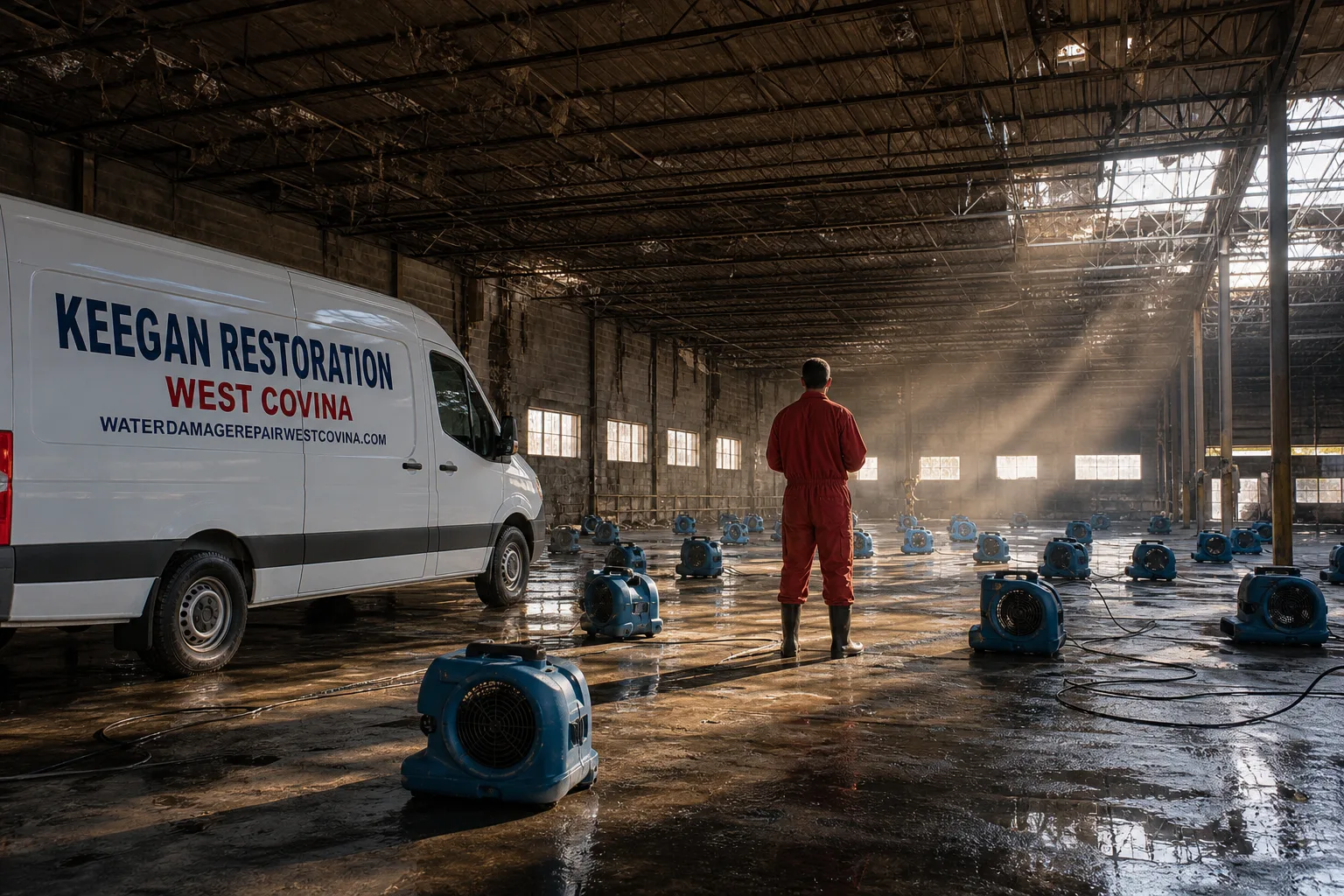
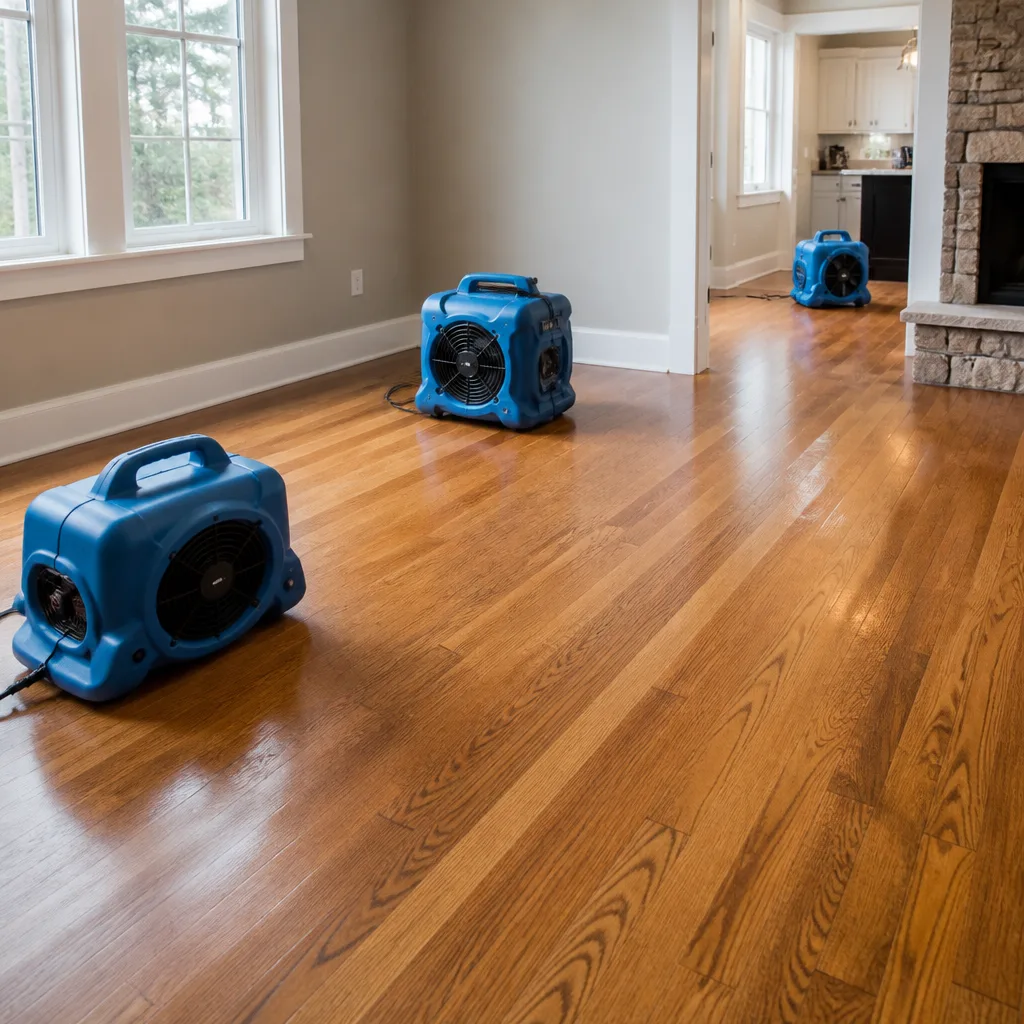
 Water damage drying
 Fire & smoke cleanup
 Mold remediation
 Storm response
 Sewage cleanup
 Reconstruction
Free visual inspection and a written scope of work before any mitigation begins - photos, moisture readings, and drying logs go in your claim file
The scope we write is the scope we bill. Anything new gets shown to you, in writing, before we touch it.
Get your free estimateFast, Reliable Fire Damage Restoration Across Pomona
A kitchen fire in a 1920s bungalow off West Holt Avenue doesn’t just scorch cabinets. It pushes soot through lath-and-plaster walls, into the crawlspace, and across wiring that’s been there since before Route 66 ran through town. We’ve worked those jobs. Our crews reach Pomona quickly, often within the hour, because we know the streets: we’re on the 10, we’re on Holt, we’re on Garey, and we know that when a Pomona home burns, the fire damage is only half the problem. The other half is what the water and the smoke left behind, and what the next winter rain could turn into. Call (559) 249-4798 and a live person answers, day or night. We’ll get a crew rolling toward Pomona while you’re still holding the phone.
Why Keegan Restoration West Covina Is Pomona’s Preferred Fire Damage Restoration Company
Pomona homeowners have been calling us for fire and smoke work for years. Part of it is the crew: background-checked, uniformed, and trained to run every job to The Garrison Standard. The price goes in writing before any work starts, and it doesn’t move at the door. Homeowners off North Garey Avenue and around Phillips Ranch have told us the same thing after a fire: the thing they feared most was a contractor who’d show up late, quote one number, then change it once the walls were open. We don’t do that.
The other part is that we know Pomona’s homes. Many of them predate 1960. Wood-frame, raised pier-and-beam foundations, galvanized plumbing. That changes the job. A fire in a newer Diamond Bar tract home behaves differently than a fire in a 1940s cottage in Lincoln Park. Our Fire Damage Restoration team has seen both, and we scope accordingly.
Shane Pruitt, who leads our crews, has walked smoke-damaged crawlspaces in every corner of Pomona. He’ll tell you the same thing every time: document everything, explain everything, and put it in writing. That’s why Pomona homeowners keep our number.
Restoration work we handle
Soot Removal in Pomona
Soot removal in Pomona’s older homes is a different animal. In a newer home with tight drywall, soot settles on surfaces and you clean it. In a 1930s home near the Wilton Heights district, soot travels through open wall cavities, around original studs, and into the same chases as galvanized plumbing. It hides. If you only clean what you can see, the odor comes back in weeks, and by then it’s bonded to the plaster.
The job itself means removing soot from surfaces, including walls, ceilings, and framing, then sealing what can’t be fully cleaned. That’s the step a lot of cheap outfits skip. Sealing isn’t optional on pre-1960 Pomona construction. Galvanized pipes run through open chases that connect the crawlspace to the attic. Smoke follows those chases. You have to clean or seal the entire path, not just the visible wall.
When Soot Removal Alone Isn’t Enough
If the fire was hot enough to produce heavy smoke and rancid odors, surface cleaning won’t do it. Pomona homeowners often call us after their first cleaning attempt failed because the smoke had saturated the old-growth lumber and plaster. That requires thermal fogging or ozone treatment in unoccupied structure, combined with sealing. The crawlspace almost always gets involved in Pomona.
What Pomona Homeowners Should Expect
We’re honest about scope. A light kitchen fire with soot on cabinets and ceiling in a stucco home near Pomona High might run $1,200 to $2,800 for full soot removal and sealing. A whole-home smoke event in a two-story Victorian off White Avenue can reach $7,000 to $14,000. We put the exact number in writing before we touch anything.
Fire Damage Restoration Company in Pomona
When a Pomona homeowner calls us after a structure fire, they’re not looking for a cleaning crew. They need a fire damage restoration company that can handle the entire sequence: board-up, water extraction from the fire suppression work, structural drying, soot and smoke removal, odor control, and the rebuild coordination that follows.
Here’s what that looks like in practice on a Pomona home. The board-up happens first, usually same day. Then we set containment. Then we deal with the water. Fire hoses put down hundreds of gallons, and in a pier-and-beam home, that water goes somewhere. It goes through the floor. It pools in the crawlspace. If there’s no perimeter drain, which half the older Pomona homes don’t have, you now have a Class 2 water job under a fire job. We run Phoenix air movers and Dri-Eaz dehumidifiers in the house and under it.
Crawlspace Assessment After Fire Suppression
This is where Pomona’s specific housing stock changes the work. We inspect every crawlspace after a fire, because smoke settles there and water collects there. In neighborhoods like Wilton Heights and Lincoln Park, we’ve found smoke-soaked insulation, pooled water, and swollen floor joists in the same cavity. That’s a fire-plus-flood emergency, and it has to be handled as one coordinated response, not two separate visits.
Sealing and Documentation
After the dry-out, we remove what’s burned, seal what can be saved, and document every step. Photographs, moisture readings, equipment logs. All of it formatted to support an insurance claim. Your adjuster gets a clean file. You get a written report with the scope, the drying data, and the final condition. That’s how we work in Pomona, every job, no exceptions.
Trusted Brands We Service in Pomona
We stock what Pomona’s older homes actually need: Dri-Eaz dehumidifiers for closed crawlspaces, Phoenix air movers for structural drying, and the sealants and odor control products that hold up on plaster and old-growth framing. Our work runs to IICRC standards, with RIA and IFA documentation practices built into every job file. That means the equipment data your adjuster sees is professional-grade and formatted the way insurance companies expect it. For Pomona customers, that often means faster claim approvals and a cleaner reconciliation between fire damage and the water extraction that follows it.
See the difference
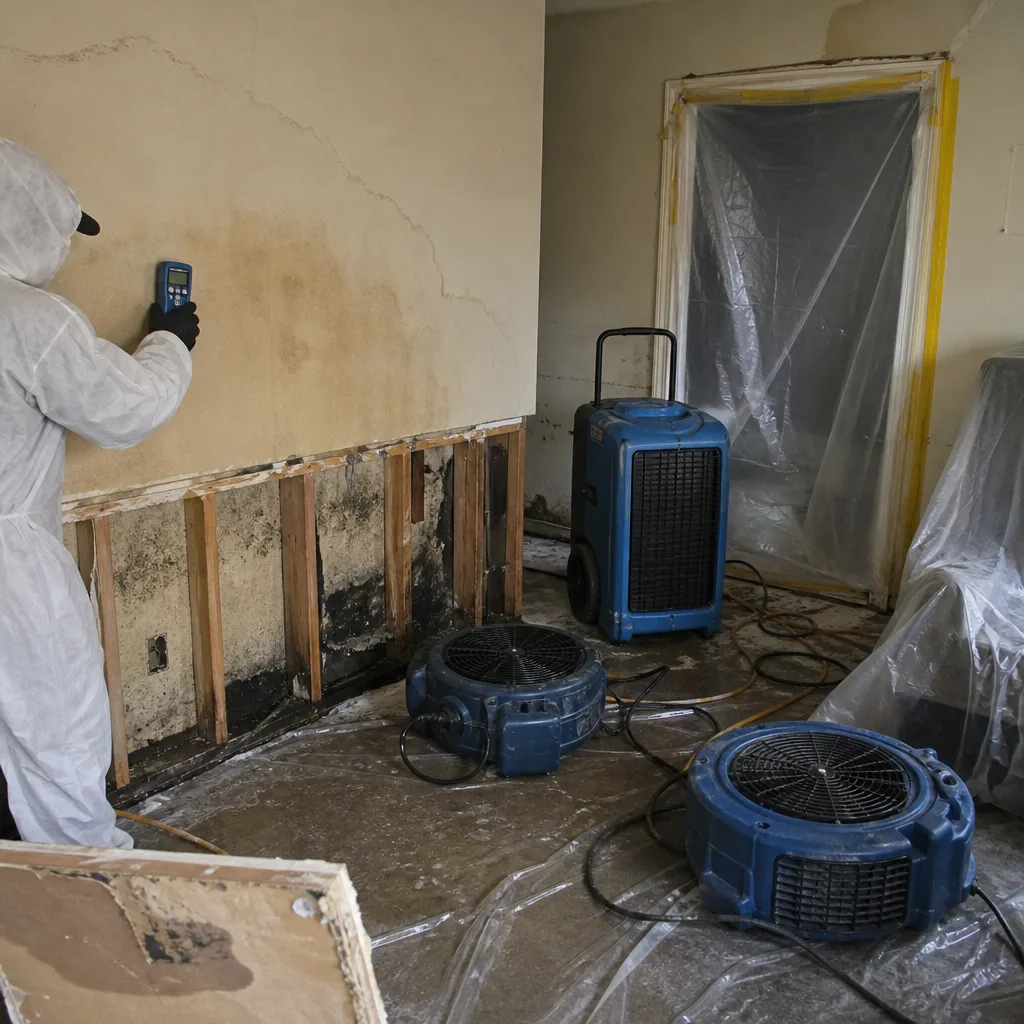 Before
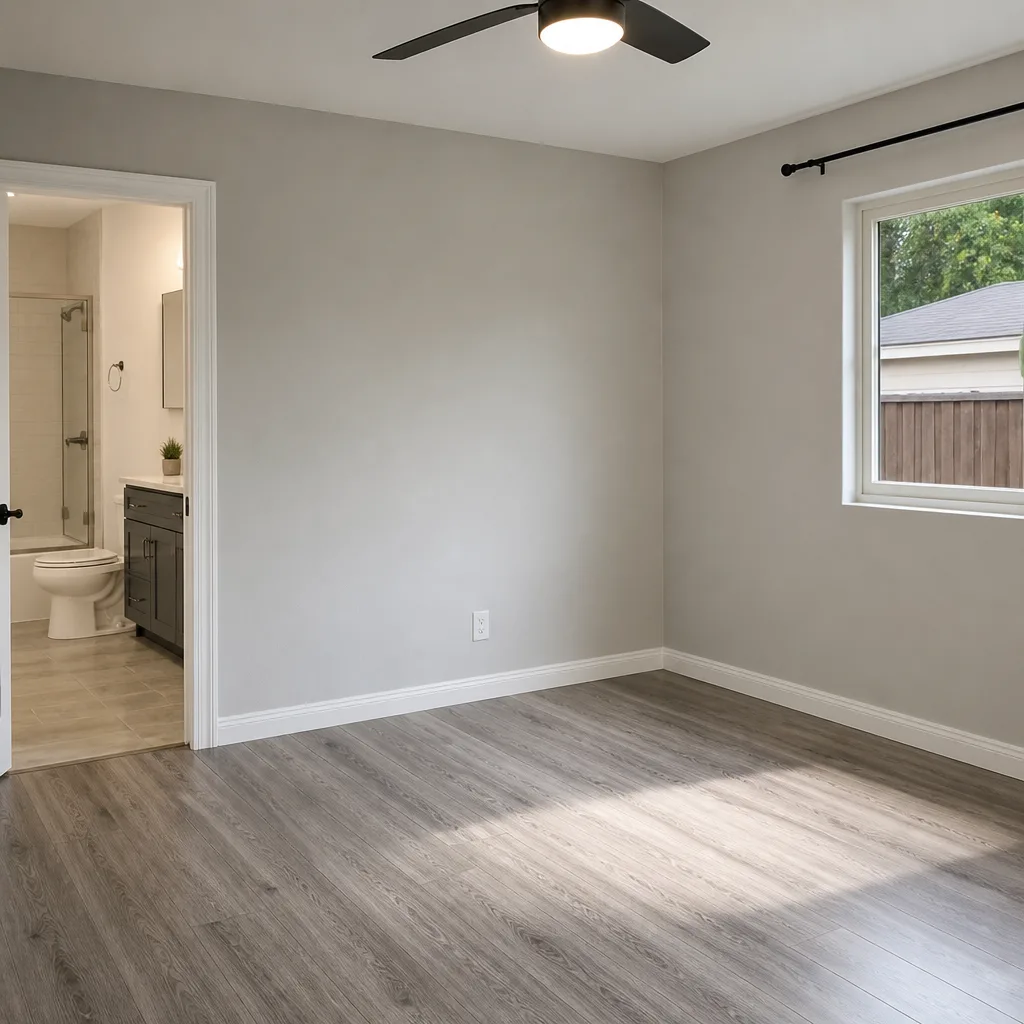 After
After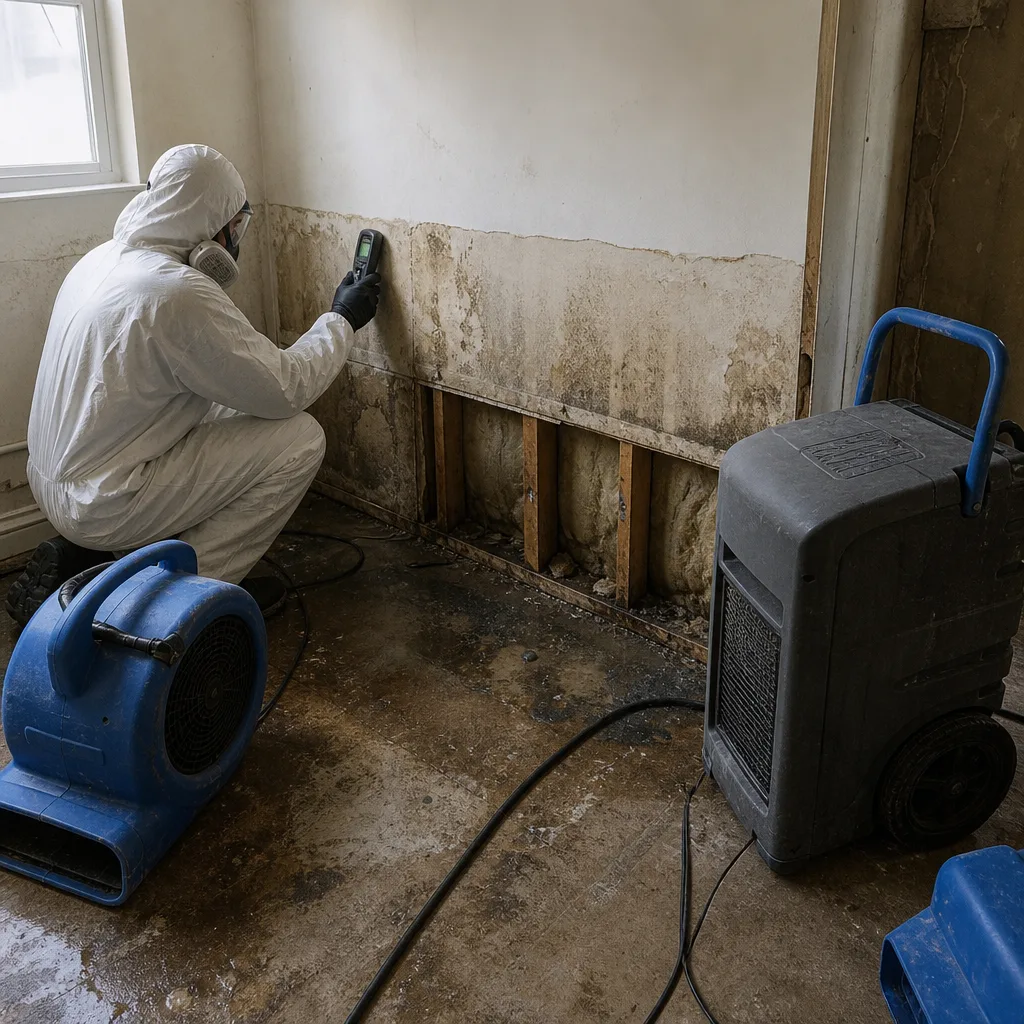 Before
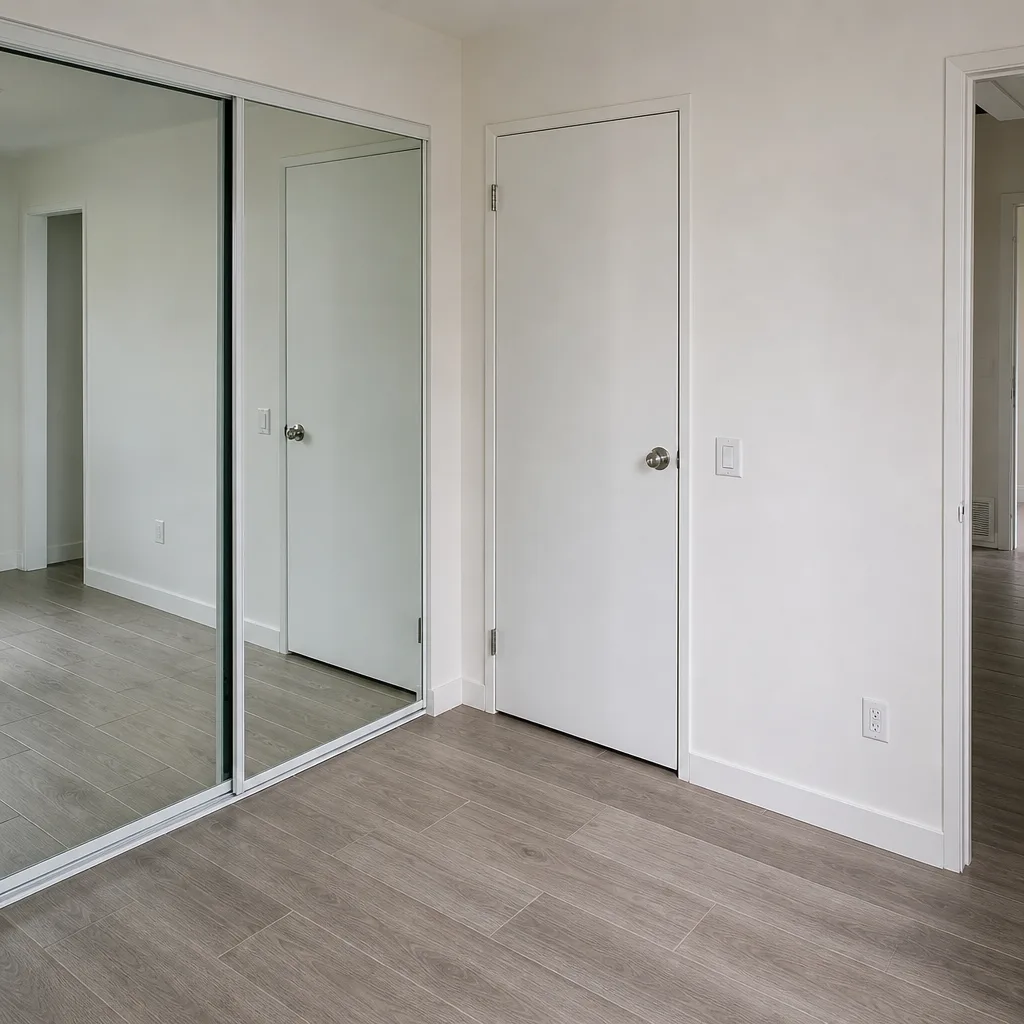 After
After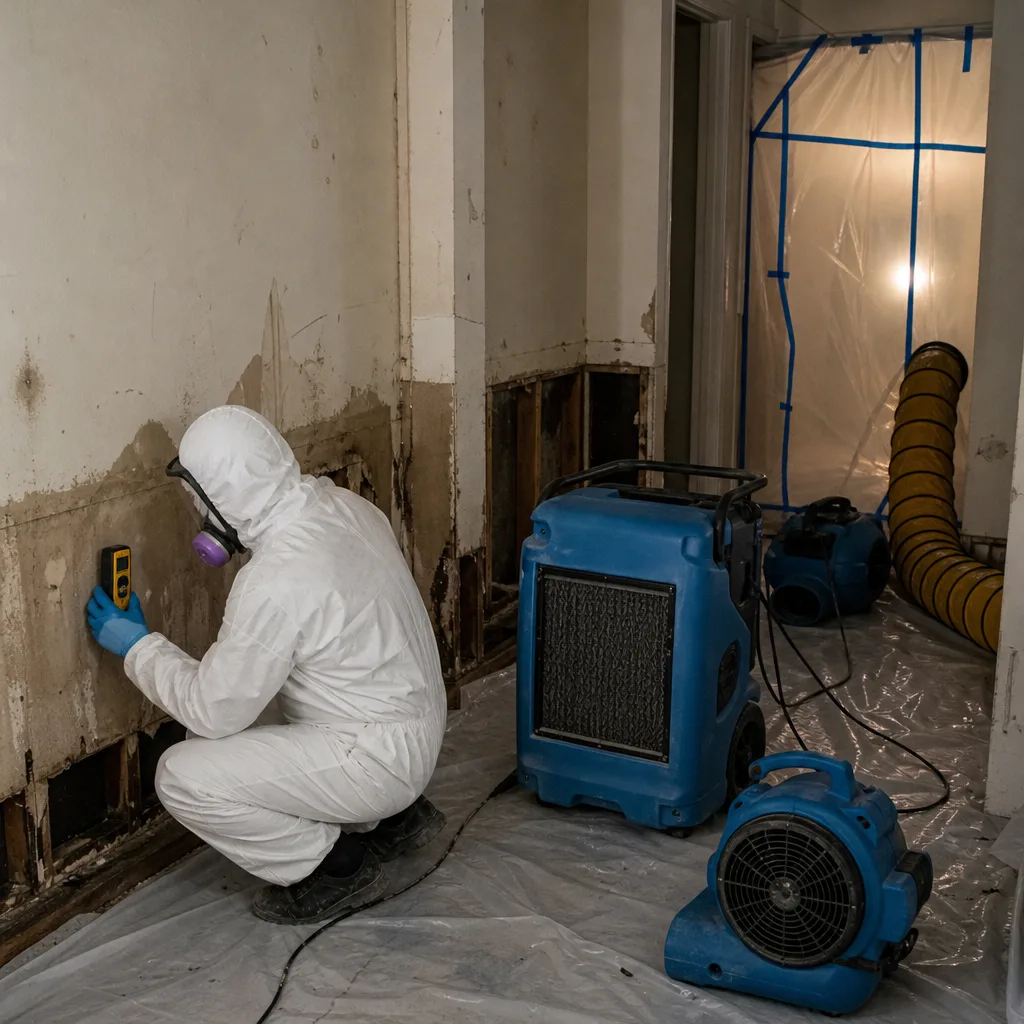 Before
 After
AfterCommon Fire Damage Restoration Problems We See in Pomona Homes
- Hidden soot in galvanized plumbing chases: Pre-1960 Pomona homes have open wall cavities that channel smoke into the same spaces as decades-old plumbing. If you skip those chases, the smoke odor returns within a month even after visible surfaces are cleaned.
- Flooded crawlspaces after fire suppression: Fire hoses dump water through the floor and into the crawlspace. Without perimeter drains, which many Pomona homes never had, that water pools and starts damaging joists within hours.
- Smoke-damaged crawlspaces turning into black water zones: The next winter rain hits, runoff enters the crawlspace through the same gaps, and now you’ve got contaminated water mixing with soot and burned insulation. A fire job becomes a biohazard job.
- Inadequate structural drying on raised foundations: Standard drying charts assume new-construction airflow. A 1940s Pomona home on pier-and-beam with minimal ventilation under the floor needs longer drying times and targeted dehumidification to hit pre-loss moisture levels.
Pricing for Fire Damage Restoration in Pomona, CA
We Also Serve Cities Near Pomona
Our crews work throughout the San Gabriel Valley and eastern Los Angeles County. That includes fire damage restoration calls in Pomona and the surrounding communities: Diamond Bar, La Verne, Walnut, and Glendora. If you’re in any of these cities and you’ve had a structure fire, the same crew, the same written guarantee, and the same live-answer phone line apply. We dispatch to all of them daily.
Serving Pomona, CA - Our Local Coverage Area
We’re based in the Pomona area and know this community well. Use the map below to see our service coverage - if you’re nearby, we can almost certainly help.
FAQs About Fire Damage Restoration in Pomona
Pier-and-beam foundations create an open crawlspace under the house, and that crawlspace collects both fire suppression water and smoke soot during a structure fire. In Pomona homes built before 1960, that means fire restoration almost always includes a crawlspace inspection, water extraction, and structural drying below the floor, not just above it. Skipping that step means hidden soot odor and hidden water damage that will show up later. Call (559) 249-4798 and we’ll walk you through what your foundation type requires.
Pre-1960 Pomona homes typically have plaster walls, galvanized plumbing, and open wall chases that direct smoke into the same cavities as the pipes. Cleaning only the visible surfaces leaves soot buried in those chases, and the odor returns. These homes also sit on raised foundations that collect water. Our crews inspect plumbing chases and crawlspaces as standard practice on every Pomona fire job because we know the construction.
For structural repairs, yes. Any work involving framing, electrical, or substantial drywall replacement in Pomona generally requires permits through the city’s building department. Soot removal, odor treatment, and water extraction typically don’t. We identify which parts of your scope need permits and we handle the paperwork as part of the written scope. That’s part of running the job by the book.
They can turn a straightforward fire drying job into a concurrent water emergency. If a Pomona home has a fire-damaged, open crawlspace and no perimeter drain, the next heavy winter rain floods the crawlspace. The drying plan then has to account for new water intrusion on top of fire suppression water. We build drying logs that account for Pomona’s winter rain pattern, and we re-inspect the crawlspace after any heavy storm during mitigation. That’s why documentation matters: your adjuster needs to see that the new water is a separate event.
You should expect daily moisture readings, equipment placement records, and photographic documentation, all of it compiled into a file formatted to support your insurance claim. We document every job to The Garrison Standard: written price before work starts, daily logs during the job, and a final file with the scope, the drying data, and the guarantee. If an adjuster or an insurer questions a line item, you have the record. Call (559) 249-4798 for a free estimate and we’ll explain the full documentation process on the first call.
Written by Shane Pruitt, Owner at Keegan Restoration West Covina, serving Pomona and the San Gabriel Valley.