
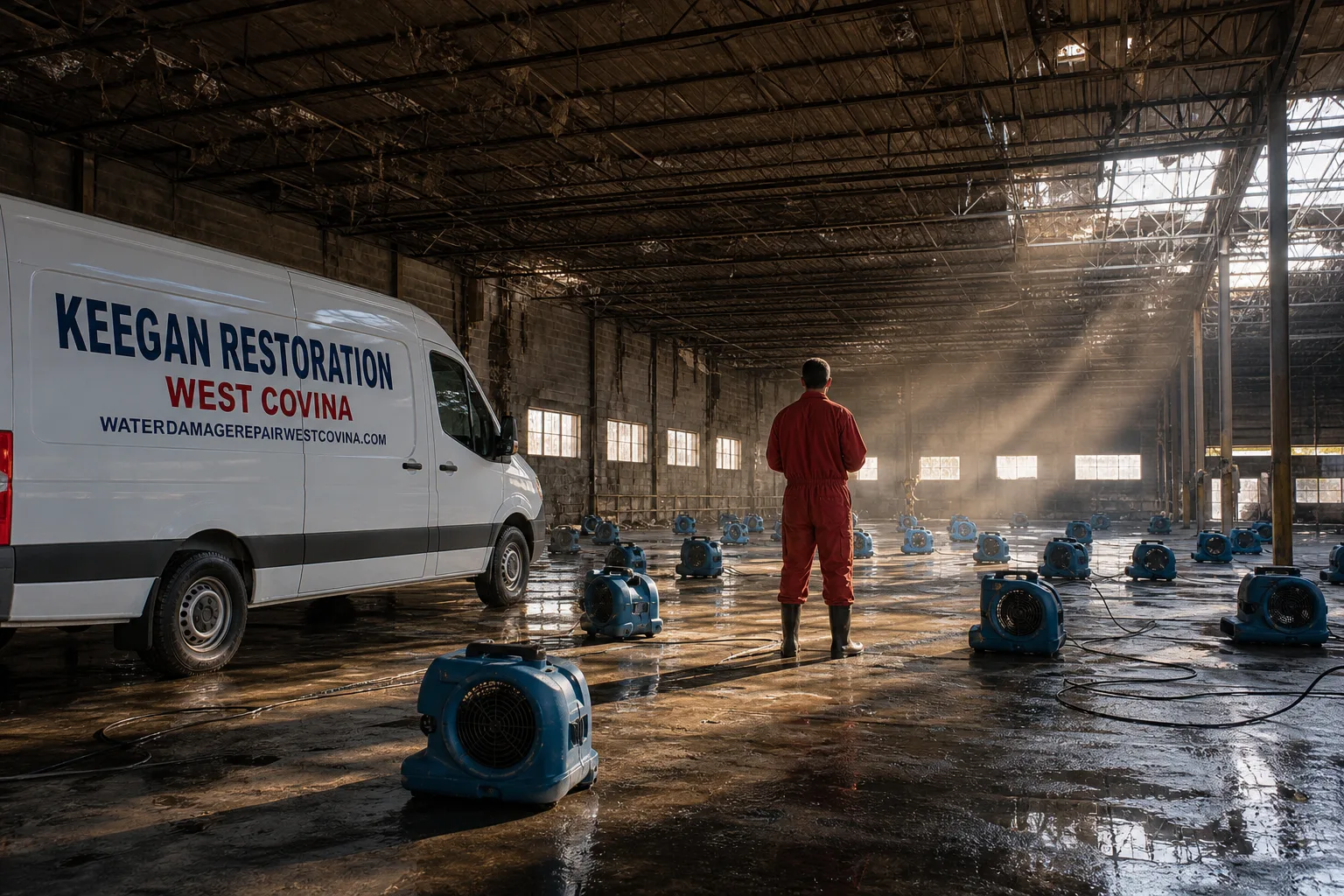
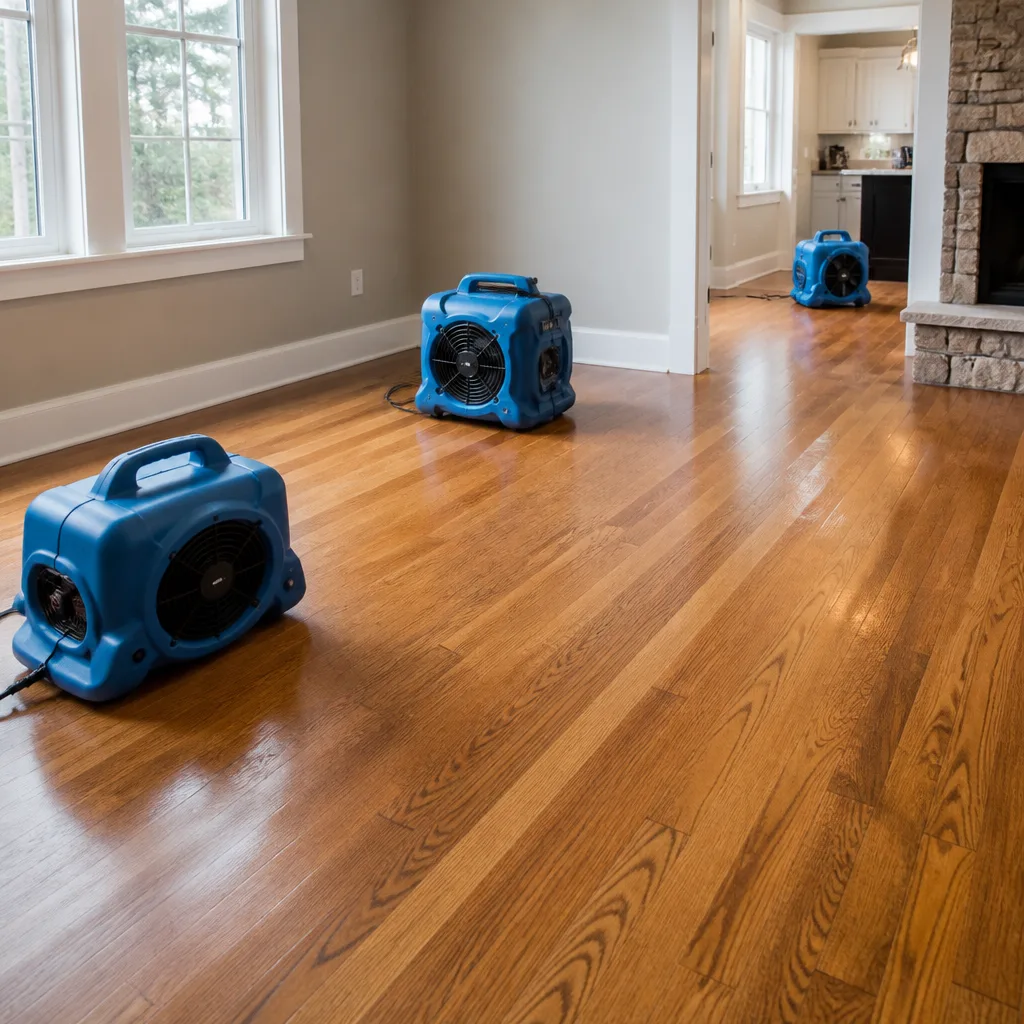
 Water damage drying
 Fire & smoke cleanup
 Mold remediation
 Storm response
 Sewage cleanup
 Reconstruction
Free visual inspection and a written scope of work before any mitigation begins - photos, moisture readings, and drying logs go in your claim file
The scope we write is the scope we bill. Anything new gets shown to you, in writing, before we touch it.
Get your free estimateFast, Reliable Fire Damage Restoration Across West Covina
Fire damage in West Covina moves fast, and so do we. Most fire restoration jobs here need immediate smoke and soot mitigation before acidic residue etches surfaces permanently, plus water extraction from firefighter efforts before it soaks into the slab and framing. A typical fire damage response in West Covina includes structural stabilization, smoke and soot cleaning, water removal, and content pack-out, with most assessments completed the same day you call. If you’re standing in a house that smells like smoke and has standing water in the hallway, call (559) 249-4798 right now. A live person answers, 24 hours a day, and we’ll get a crew dispatched to your neighborhood.
Why Keegan Restoration West Covina Is West Covina’s Preferred Fire Damage Restoration Company
West Covina homeowners call us because we show up when we say we will and the price doesn’t move once we’re inside the door. That’s The Garrison Standard: written price before any work starts, background-checked technicians in uniform, and every repair backed by the 365-Day Done Right Promise in writing. If it fails within a year, we return and fix it at no charge. That’s not marketing language. It’s the way this company has operated since joining the Garrison Partners family in 2005.
Our crews know the housing stock here. The single-family homes off Azusa Avenue and in the South Hills were mostly built between the 1950s and the 1980s, many on concrete slabs with copper supply lines that have outlived their expected service life. When a fire breaks out in one of these homes, the water used to fight it often finds its way into compromised plumbing and old subfloor before we ever arrive. We plan for that from the first phone call. Dispatch and scheduling are coordinated from the brand’s Los Angeles office, but the crews serving West Covina work locally and know the streets, the traffic patterns on the 10 and 60, and the building codes that apply to repairs in this city.
Shane Pruitt runs this operation, and he holds the team to the same standard on every job: show up inside the window, price in writing, do it by the book, leave the site clean, stand behind the work for a full year. No exceptions.
Restoration work we handle
Smoke Damage Restoration in West Covina
Smoke damage restoration in West Covina typically costs between $900 and $3,800 depending on how far smoke traveled through the home and how many rooms need cleaning, deodorizing, and sealing. The number climbs when smoke has worked into attic insulation or through shared wall cavities in older split-level homes, which is common in West Covina’s 1960s and 1970s tracts.
Odor and Residue Removal
Smoke odor doesn’t fade on its own. It embeds in drywall, carpet, upholstery, and the inside of ductwork. We use thermal fogging and hydroxyl generators alongside HEPA air scrubbing to neutralize odor at the source rather than masking it. On most West Covina jobs, we also clean and seal structural cavities where smoke traveled before repainting, because paint alone will not stop odor from bleeding back through.
Santa Ana Wind and Soot Intrusion
West Covina sits close enough to the San Gabriel foothills that Santa Ana wind events push smoke and fine ash sideways into homes through weep holes, attic vents, and the gaps around old stucco and roof flashing. That means smoke damage can be worse in rooms that were nowhere near the fire. We inspect the full envelope, not just the burn room, and we document everything for your insurance claim.
Fire Damage Repair in West Covina
Fire damage repair in West Covina runs from about $4,200 for a contained kitchen fire to $40,000 and up when fire, water, and structural compromise affect load-bearing walls or the foundation system. Repairs here often involve more than replacing burned materials. They mean addressing what the fire exposed: corroded copper supply lines buried in the slab, water-saturated subfloor, and framing weakened by years of undetected plumbing leaks.
Structural Stabilization and Rebuild
After a fire, we assess the framing before we touch cosmetics. If water from the firefight saturated the subfloor and the slab below it, we dry the structure to a measurable standard before rebuild begins, using Dri-Eaz desiccant and low-grain refrigerant drying equipment. Then we replace what’s burned and what’s compromised, and we put the scope of that work in writing before the first nail goes in. That’s the only way we work.
Copper Plumbing and Slab Leak Interaction
In homes off E. Aroma Drive and throughout the South Hills, original copper supply lines running through the slab are at the end of their service life. When a fire occurs, it can be the event that finally forces the issue. If a line has been weeping into the subfloor for months, the fire and the water used on it can destabilize flooring. We test the lines, document what we find, and replace failed copper with PEX when the situation calls for it. This is not a generic fire repair detail; it’s a West Covina reality our crews see repeatedly.
Trusted Brands We Service in West Covina
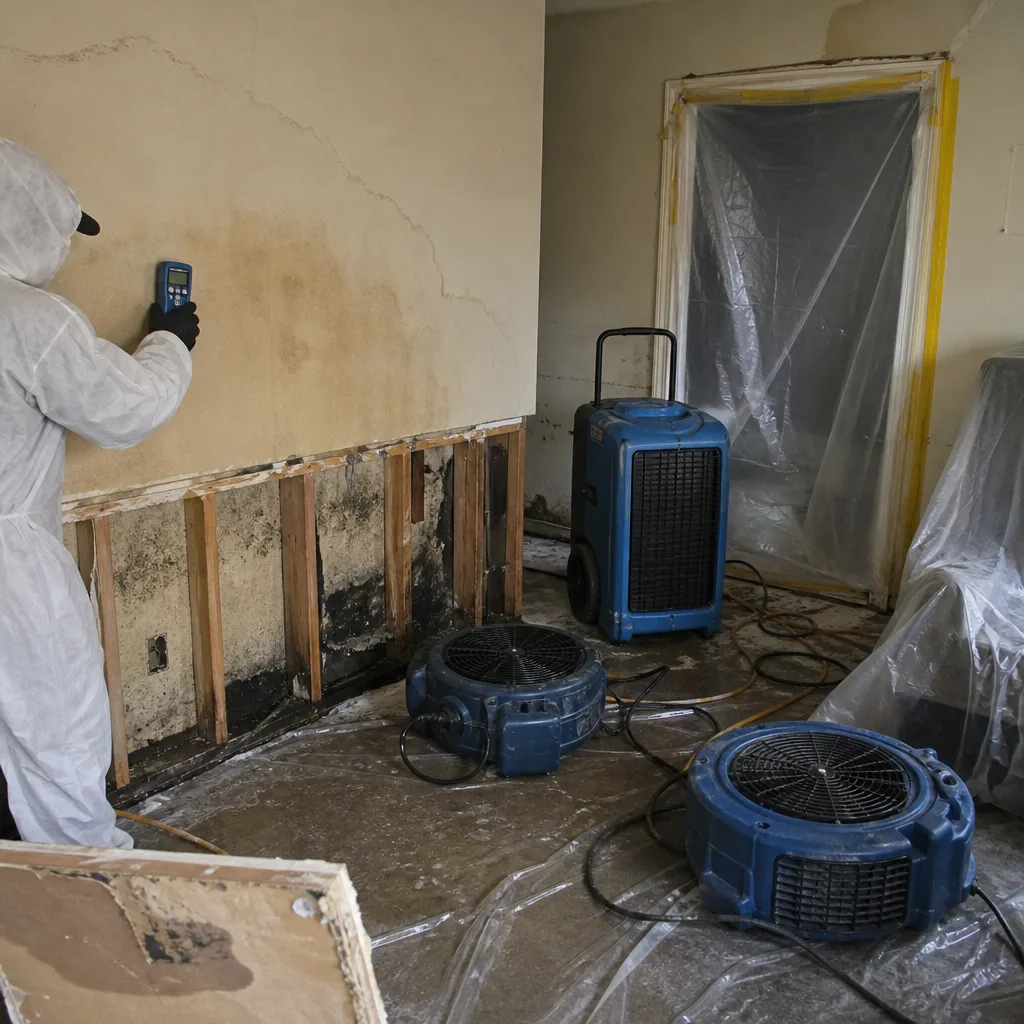
The equipment we run on West Covina jobs matters, because old homes on slab foundations dry differently than newer construction. We use Dri-Eaz refrigerant and desiccant dehumidifiers, Phoenix axial air movers, and XPOWER air scrubbers, all operated in compliance with IICRC, RIA, and IFA industry standards. What that means for a West Covina homeowner is this: the drying is measured, documented, and done to a spec that holds up when your insurance adjuster reviews the file. Subfloor drying under slab foundations takes longer here than in pier-and-beam houses, so we run psychrometric readings throughout the job until the numbers say it’s dry, not until the surface feels dry.
See the difference
 Before
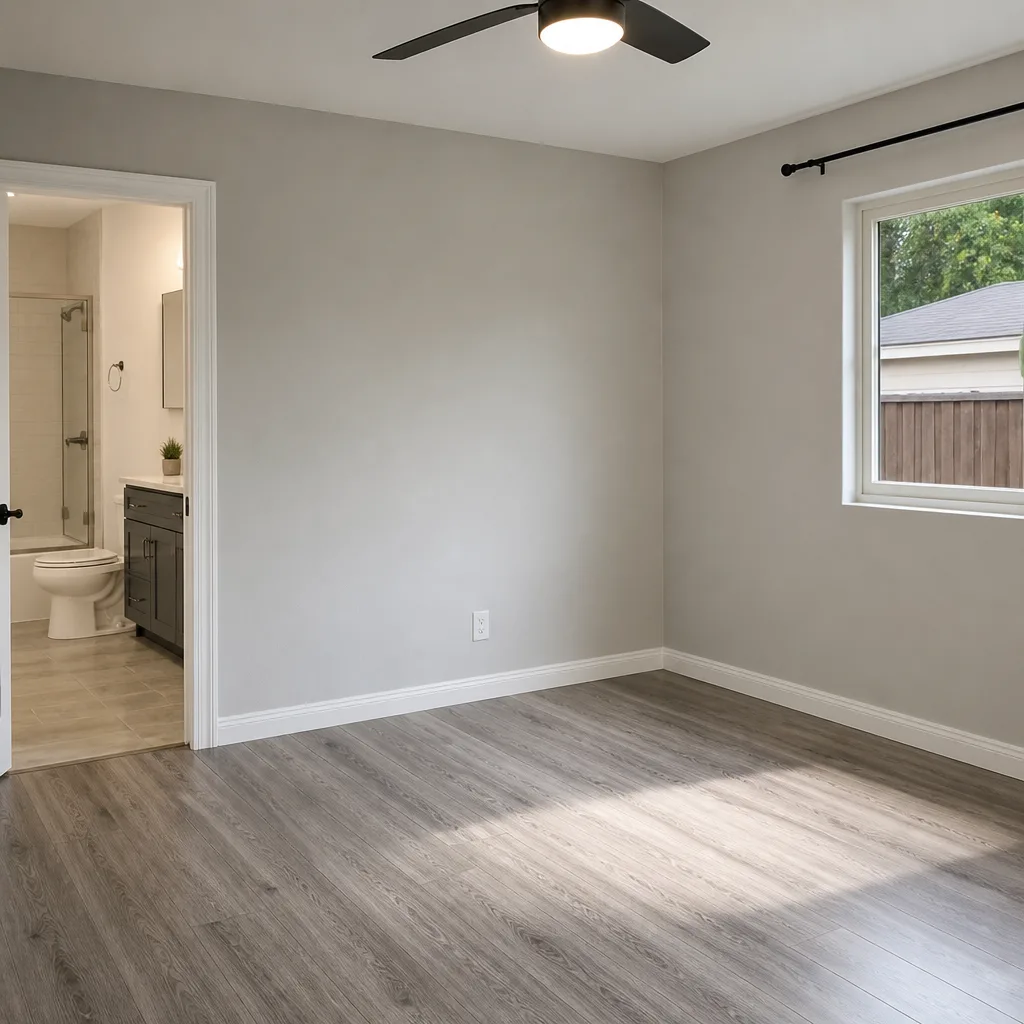 After
After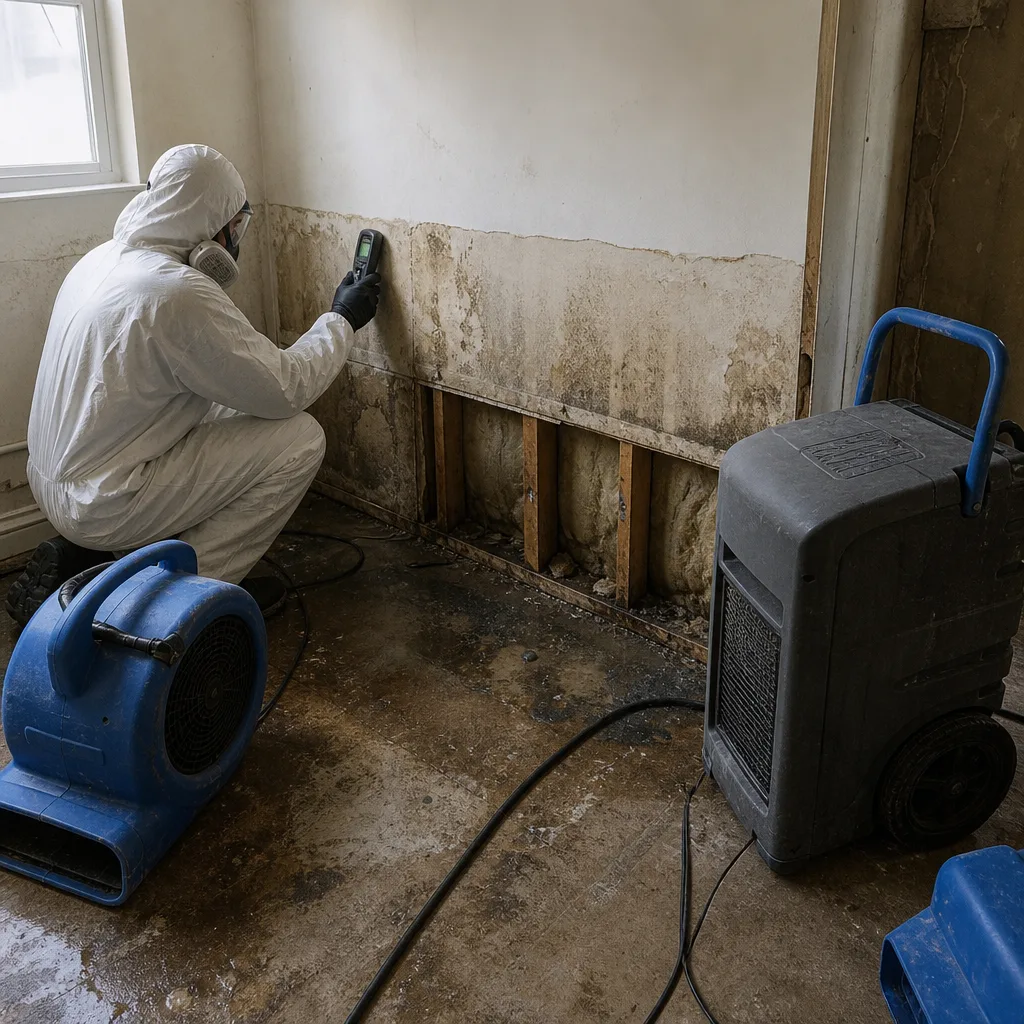 Before
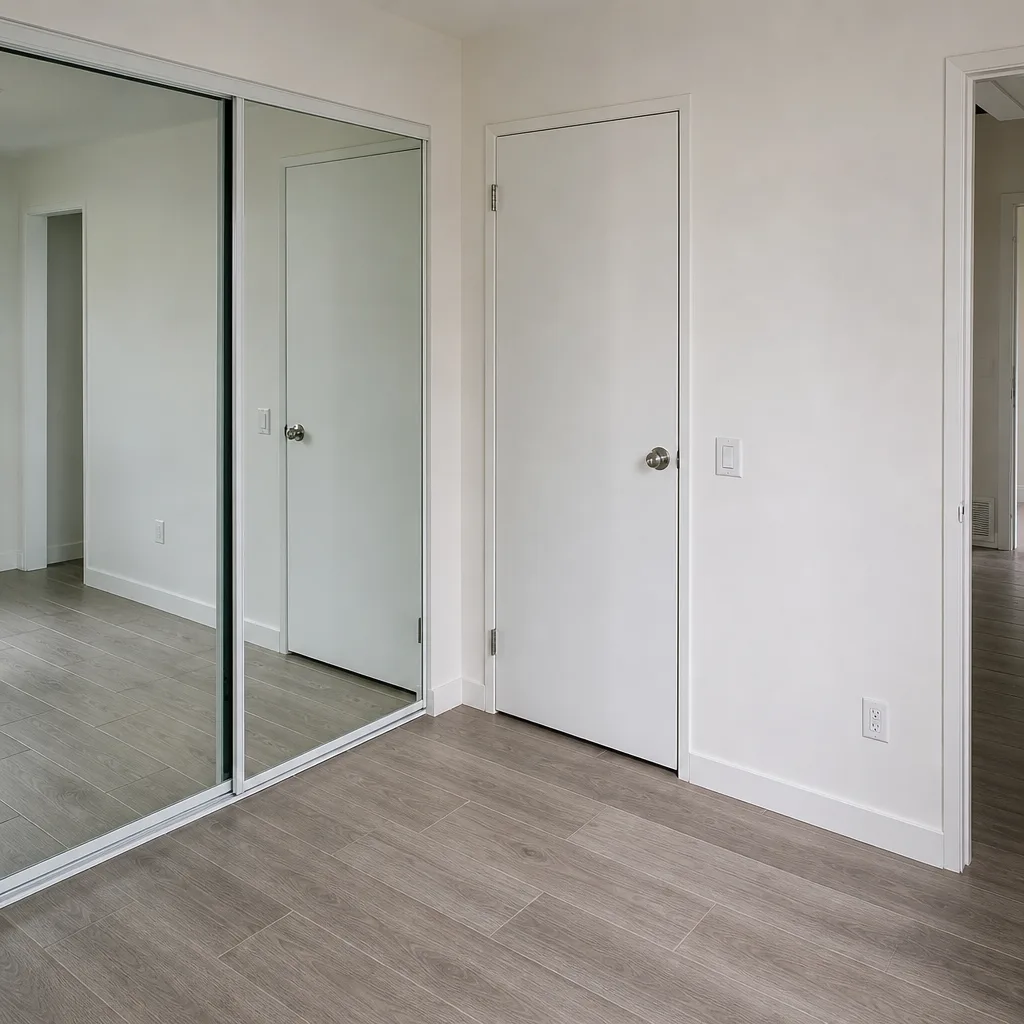 After
After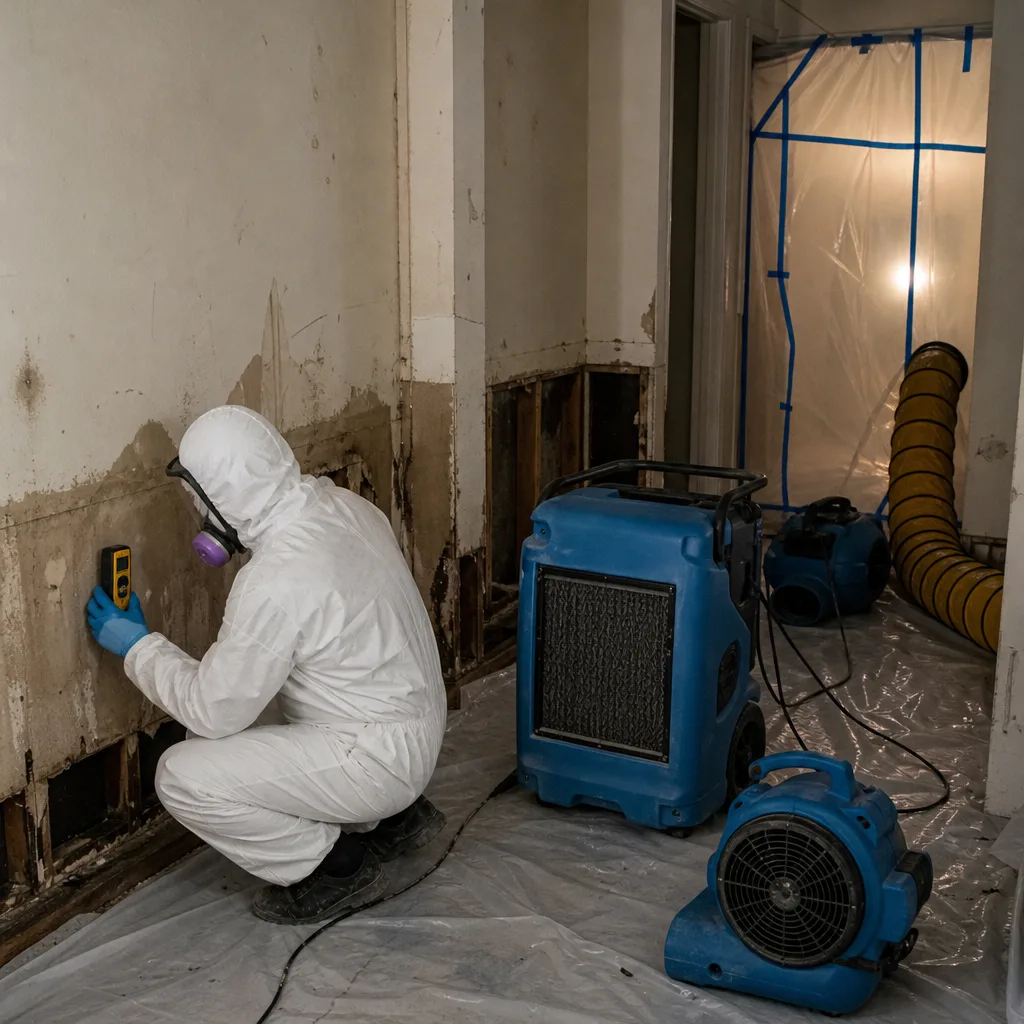 Before
 After
AfterCommon Fire Damage Restoration Problems We See in West Covina Homes
- Slab leaks mixing with fire suppression water. When firefighters put water on a fire in a 1960s West Covina tract home, that water travels through the same floor assembly that may already be compromised by a slow copper slab leak. The result is saturation that’s deeper than the fire itself caused, and it has to be addressed before rebuild.
- Corroded galvanized drains backing up under fire runoff. Many South Hills homes still have original galvanized drain lines under the slab, corroded from the inside out. Firefighting water volume can overwhelm them, sending contaminated water back into the restoration area. We check this before we lay new flooring.
- Ductwork contamination from decades of dust plus smoke. Old forced-air systems in West Covina homes hold decades of accumulated dust. Fire and smoke press that material into the ductwork, and when the fire department’s water hits the drywall, you can get mold growth inside the system within 24 to 48 hours. Duct cleaning and replacement are part of the scope when needed.
- Hillside lot drainage complicating water extraction. Homes built on West Covina’s hillside and canyon-adjacent lots drain unpredictably. Fire suppression water pools against foundation walls and runs downhill into lower rooms. Our drying plans account for the slope of the lot, not just the square footage of the wet area.
Pricing for Fire Damage Restoration in West Covina, CA
Here’s what West Covina homeowners can expect on a fire damage restoration scope:
- Smoke damage cleanup and odor removal: $900 – $3,800
- Soot removal and surface cleaning: $600 – $2,200
- Water extraction and drying after fire suppression: $1,500 – $5,500
- Emergency board-up and structural stabilization: $800 – $2,400
- Structural fire repair and rebuild: $4,200 – $40,000+
- Content pack-out, cleaning, and storage: $1,200 – $6,000
What moves the number is the age of the home, the condition of the slab plumbing, how far smoke traveled, and whether the fire damaged load-bearing framing. We give you the written price before any work starts. Call (559) 249-4798 for a free estimate, and we’ll walk you through exactly what’s needed.
We Also Serve Cities Near West Covina
Our crews work throughout the San Gabriel Valley. Beyond West Covina, we regularly handle fire damage calls in La Puente, Covina, Azusa, and Hacienda Heights. If your home is in a neighboring city and you’re dealing with smoke, soot, or structural fire damage, reach out to our Fire Damage Restoration team at (559) 249-4798 and we’ll let you know how soon we can be there.
Serving West Covina, CA - Our Local Coverage Area
We’re based in the West Covina area and know this community well. Use the map below to see our service coverage - if you’re nearby, we can almost certainly help.
FAQs About Fire Damage Restoration in West Covina
Older West Covina homes built from the 1950s through the 1980s often have copper supply lines running through concrete slabs, and many of those lines are now past their expected lifespan. When a fire happens, the water used to fight it can enter the slab through existing pinhole leaks or failed joints, saturating subfloor and framing that the fire itself didn’t reach. We test supply lines on every fire job in West Covina and document the condition before and after drying.
Yes, and we see it regularly. Santa Ana winds in West Covina push smoke and fine ash through attic vents, weep holes, and gaps around old stucco and roof flashing, which means rooms far from the fire can have significant smoke and soot intrusion. Our inspection includes the entire building envelope, not just the room where the fire started. Call (559) 249-4798 and we’ll walk you through what we check.
Yes. Fire suppression water mixed with decades of dust and debris in the home’s air and ductwork creates conditions for mold growth on wet drywall within 24 to 48 hours. In West Covina’s Mediterranean climate, indoor humidity after a fire can stay elevated for days if the structure isn’t dried properly. We begin structural drying immediately after mitigation and run moisture readings until the substrate meets IICRC standards.
Category 3 water, meaning water that contains sewage or other contaminants, is a real concern when fire suppression runoff backs up through old galvanized drain lines under the slab. Many South Hills homes have original drains that have corroded from the inside out, and the sudden water volume from a firefight can cause backup into the restoration area. We treat any suspected category 3 contact as a containment situation and clean to the standard your insurance adjuster will expect.
We pack out salvageable contents, clean them with appropriate methods depending on the item, and store them off-site while the structure is restored. Hillside homes in West Covina often have limited access for removal, which we plan for in the scope. Every item is documented and inventoried, and the cleaning is done to support your insurance claim, not just to make things look better. Call (559) 249-4798 for a free estimate on the full scope.
If you’ve had a fire in West Covina, don’t wait. The longer soot sits on surfaces and water sits in the slab, the more damage spreads. Call Keegan Restoration West Covina at (559) 249-4798. A live person answers, we’ll give you a straight answer on scope and cost, and we’ll put everything in writing before we start.
Written by Shane Pruitt, Owner at Keegan Restoration West Covina, serving the San Gabriel Valley since 2005.