
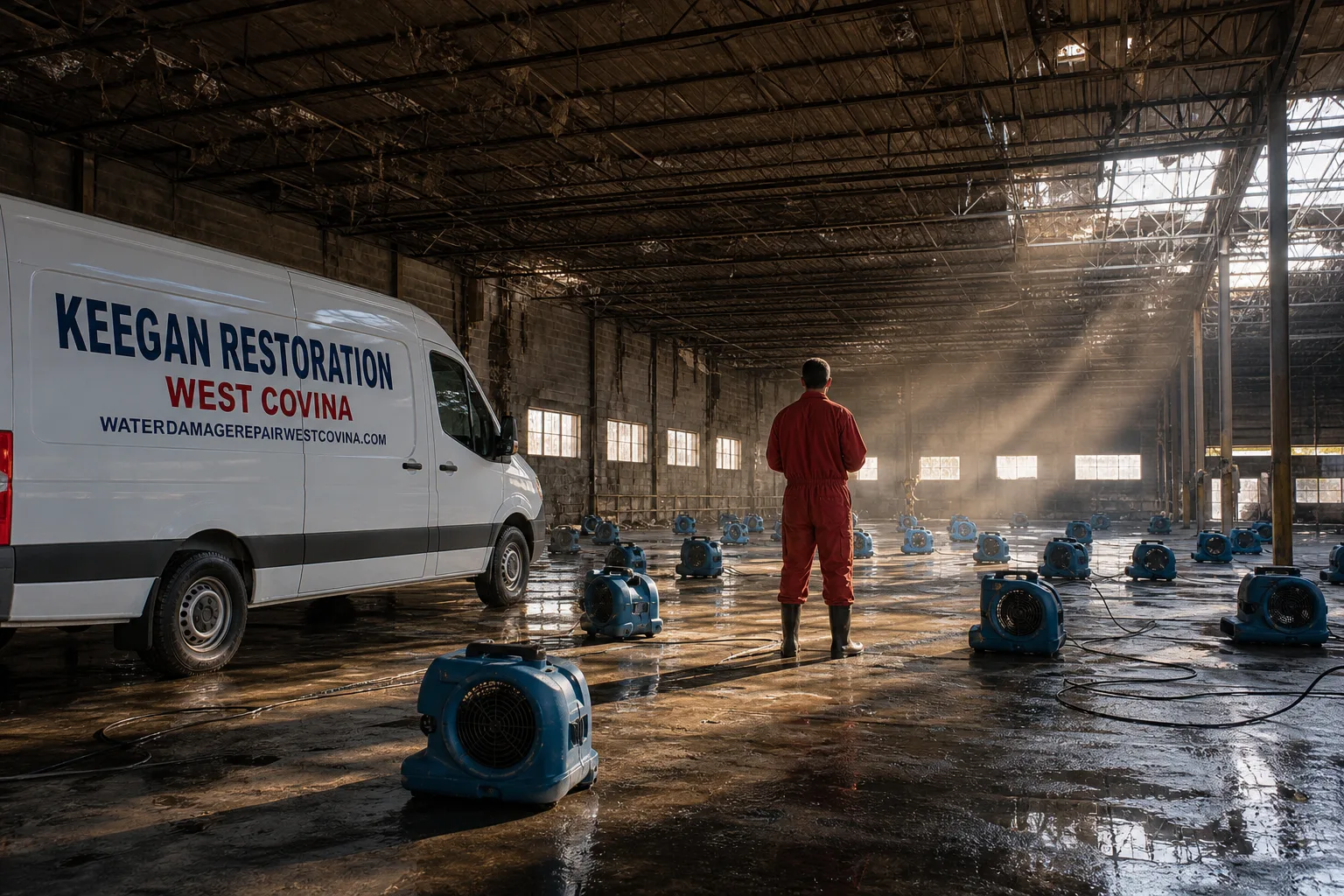
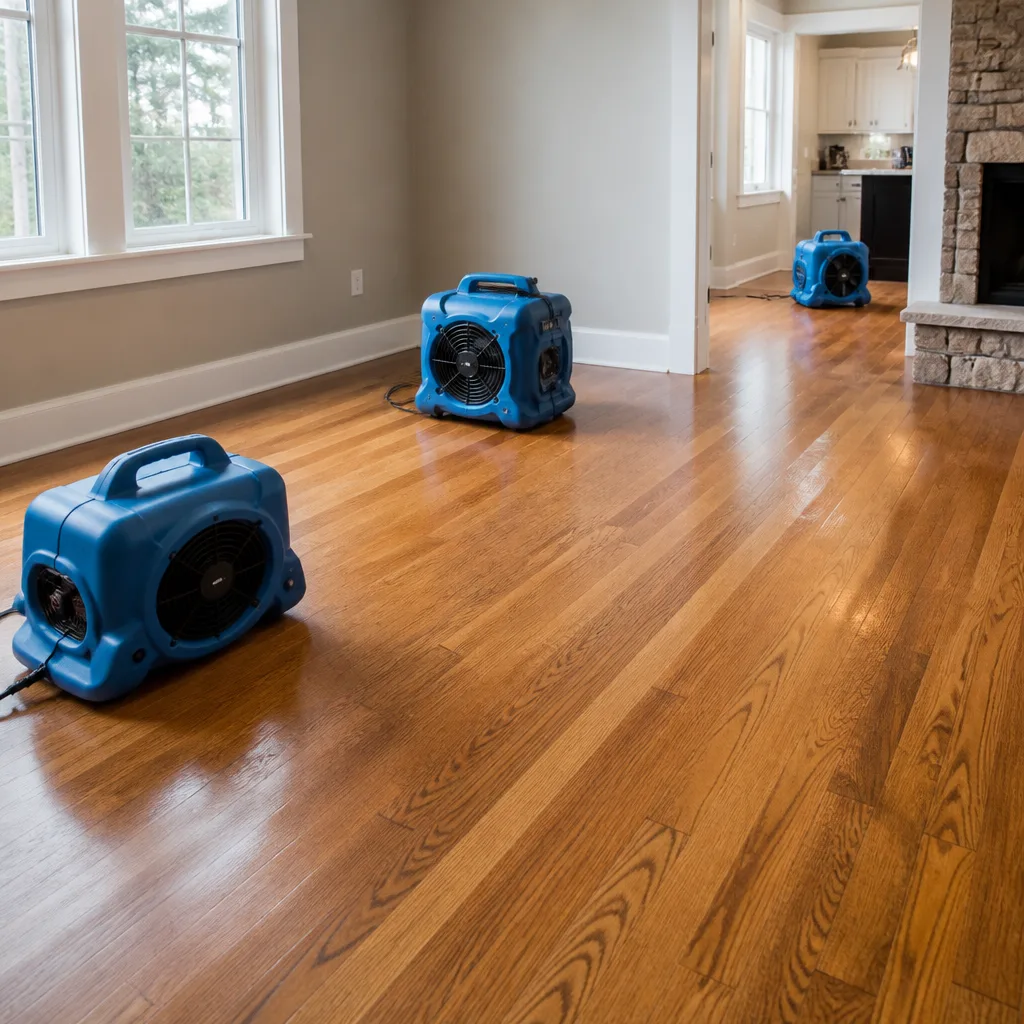
 Water damage drying
 Fire & smoke cleanup
 Mold remediation
 Storm response
 Sewage cleanup
 Reconstruction
Free visual inspection and a written scope of work before any mitigation begins - photos, moisture readings, and drying logs go in your claim file
The scope we write is the scope we bill. Anything new gets shown to you, in writing, before we touch it.
Get your free estimateFast, Reliable Water Damage Restoration Across Whittier
Water damage in Whittier moves fast, especially in the older homes that line the hills and fill the flats. Whether a supply line let go overnight or Santa Ana-driven rain found a way through original wood windows, the first 48 hours decide how much gets saved and how much gets torn out. Keegan Restoration West Covina answers live, 24/7, and we dispatch crews into Whittier neighborhoods like Friendly Hills, Uptown, and Michigan Park with professional-grade drying equipment, not fans from a rental yard. Call (559) 249-4798 the moment you see water. A live person picks up.
Why Keegan Restoration West Covina Is Whittier’s Preferred Water Damage Restoration Company
We earned our standing in Whittier by doing the work the same way every time: price in writing before anything starts, background-checked and uniformed technicians on site, and a written one-year guarantee on every repair. No one likes a contractor who moves the number at the door, and Whittier homeowners have told us flat-out that’s what they’re afraid of. That’s why The Garrison Standard governs every job we take. Shane Pruitt runs our crews to that code: show up inside the window, do it by the book, leave the site clean, and stand behind the work for a full year.
We know Whittier’s housing stock because we work in it weekly. The 1920s Craftsman bungalows in Uptown hide galvanized supply lines behind lath-and-plaster walls. The mid-century ranches up toward Friendly Hills sit on hillside lots where drainage flows downhill and finds the foundation corner. A water damage restoration company that only knows slab-on-grade track homes won’t catch what we catch on the first walkthrough. Our Water Damage Restoration team documents every job with photo logs and moisture readings formatted to support an insurance claim, and our crews coordinate directly with adjusters. That matters when you’re dealing with a flooded basement or a wall cavity that won’t dry.
Restoration work we handle
Water Mitigation in Whittier
Water mitigation in Whittier means stopping the active spread of water, then drying the structure back to a documented pre-loss condition, and it’s the first call you make after a supply line fails, a water heater tank splits, or rain intrudes through a roofline on a hillside home. Mitigation is the emergency half of the job: extraction first, then containment, then controlled drying with desiccant or refrigerant dehumidification depending on the space. In Whittier, a typical water mitigation job runs $1,800 to $4,200, depending on how many rooms are wet, whether flooring comes up, and how long the water sat before we arrived.
Containment and Metered Drying
We set containment with 6-mil poly and negative air pressure where needed, then place air movers and dehumidifiers on a calculated layout based on psychrometrics: the science of how moisture moves through air and materials. In a Whittier crawl space or lath-and-plaster wall, that calculation is the difference between a dry structure and a hidden mold problem three months out. We log daily grain depression readings and return until the numbers hold, not until it “looks dry.”
What Whittier Homeowners Pay Before We Start
The written scope lists each line item before a single piece of equipment comes off the truck. That means you’ll see extraction, containment, drying days, and monitoring costs in black and white, not a vague “we’ll see how it goes” number. Anyone who won’t put the water mitigation price in writing before they start is telling you something. We always put it in writing.
Flooded Basement in Whittier
A flooded basement in Whittier usually shows up on the downhill side of the house, especially in hillside neighborhoods where the grade slopes away from the foundation and directs runoff straight into window wells, stairwells, or the seam between foundation and hill. By the time a homeowner notices, the water has often been working against the slab or the footing for hours. Flooded basement extraction and drying in Whittier typically runs $2,200 to $5,800, with the cost driven by water depth, whether the space is finished, and whether the water is clean, gray, or sewage-affected.
Extraction and Structural Drying in Hillside Basements
We extract standing water with truck-mounted or portable units that pull hundreds of gallons per hour, then switch to structural drying with Dri-Eaz LGR dehumidifiers and Phoenix air movers positioned to force air into the wall-to-floor intersection where water hides. In a 1930s Spanish Colonial Revival with a partial basement, that intersection is where plaster lath meets the slab, and it’s the first place mold wants to grow. We dry it hard, and we meter it until the readings prove it’s dry.
When the Flooded Basement Means Pack-Out
If the basement is finished, we’ll assess whether carpet, pad, and baseboard can dry in place or need controlled demolition and pack-out of contents. We photograph everything before we move it, log each item, and coordinate with your adjuster so the claim file is clean. In most Whittier basements we see, the structure can be dried in place; it’s the contents that need a decision. Our team can tell you which way it goes on the first visit, before work starts, in writing.
Trusted Brands We Service in Whittier
Whittier homes hold a lot of mid-century equipment and original plumbing, so we service what’s there and bring gear that matches. Our drying fleet runs on Dri-Eaz, Phoenix, and XPOWER units, and we track humidity and grain depression to IICRC and RIA standards with IFA-aligned documentation. When a homeowner asks what we use, we tell them, because some companies bring in hardware-store fans and call it drying. We stock replacement parts and common repair items for Whittier call-outs, which means less waiting when a dehumidifier fails mid-job or a moisture probe gives out on day three. You get Water Damage Restoration in Whittier handled by a crew that brought the right equipment the first time.
Common Water Damage Restoration Problems We See in Whittier Homes
- Moisture intrusion on the downhill foundation corner. In Friendly Hills and Michigan Park, we consistently find water starting where the slope meets the foundation. Poor drainage and soil movement channel runoff into crawl spaces, and the downhill side fails first. A flatland restoration company often misses this because they don’t know to look for it.
- Hidden water wicking up 1920s lath-and-plaster walls. When a supply line pinholes behind a Uptown Craftsman wall, the water doesn’t pool. It wicks into the plaster and lath, then shows up as bubbling paint or mold at the baseboard weeks later. By then the mitigation half is over and the mold remediation half has begun.
- Santa Ana wind-driven rain through original wood windows. Whittier’s dry Santa Ana winds push rain sideways into older window frames and wall penetrations. We get repeat extraction calls in Friendly Hills after every strong wind event, where the water entered not through the roof but through window flashing and original siding.
- Aging galvanized pipes that pinhole behind walls. The 1920s through 1950s homes across Whittier carry galvanized supply lines that are decades past their service life. When they fail, they fail slowly at first, and the slow leak does more hidden damage than the sudden one. Call us before the baseboard starts wicking.
See the difference
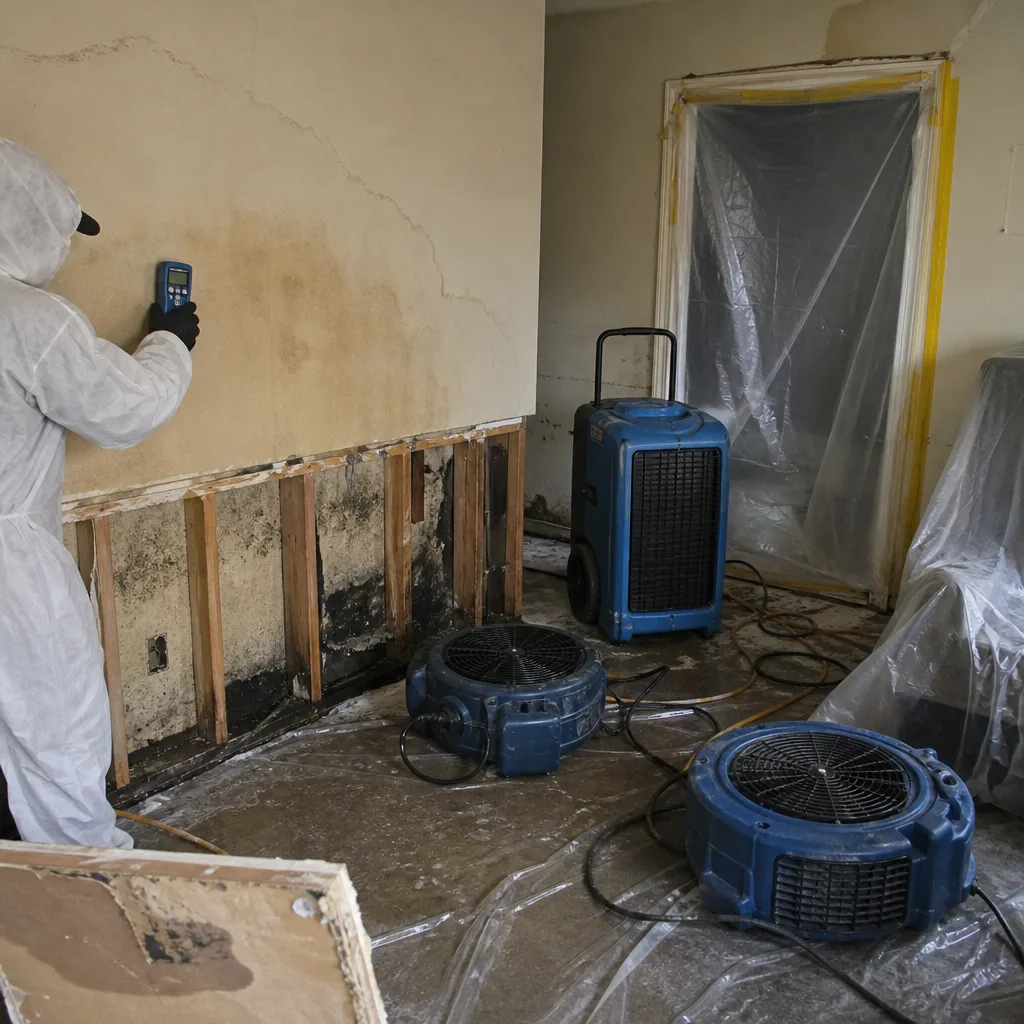 Before
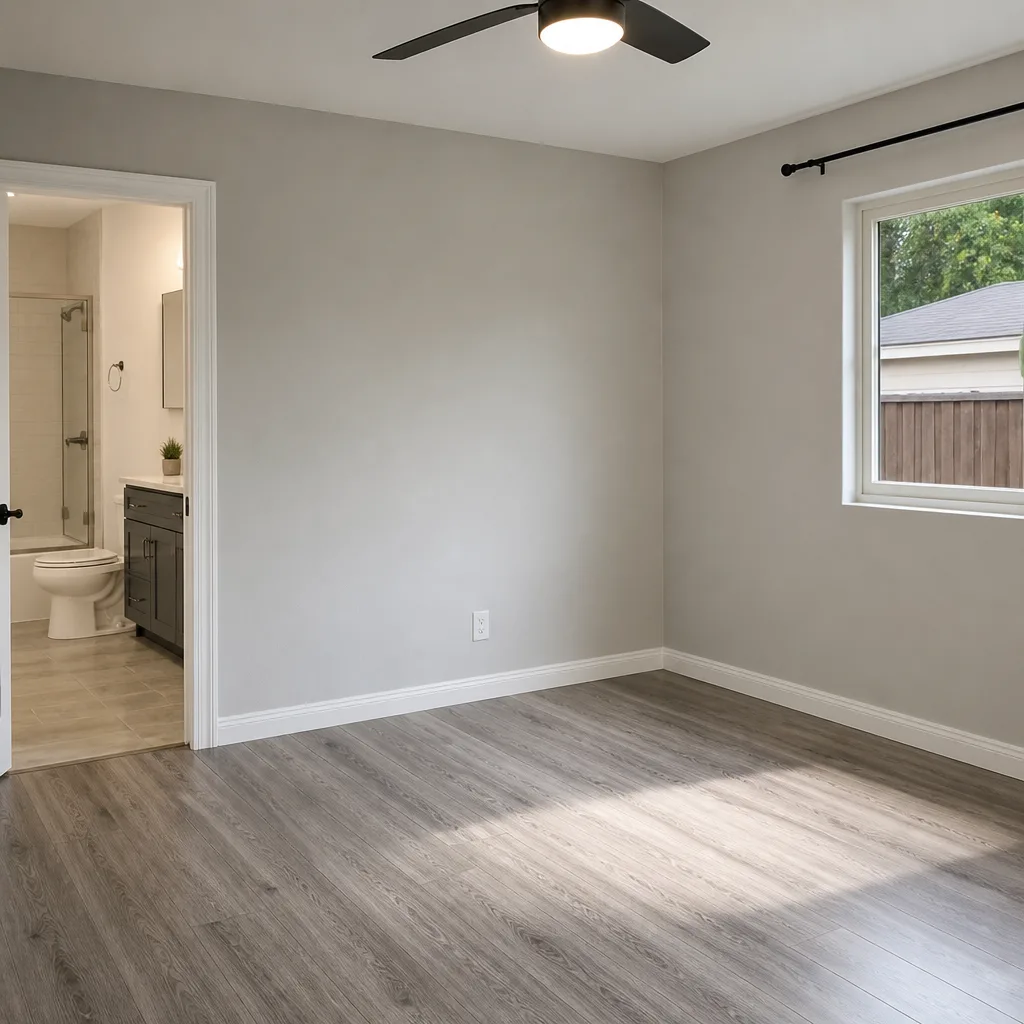 After
After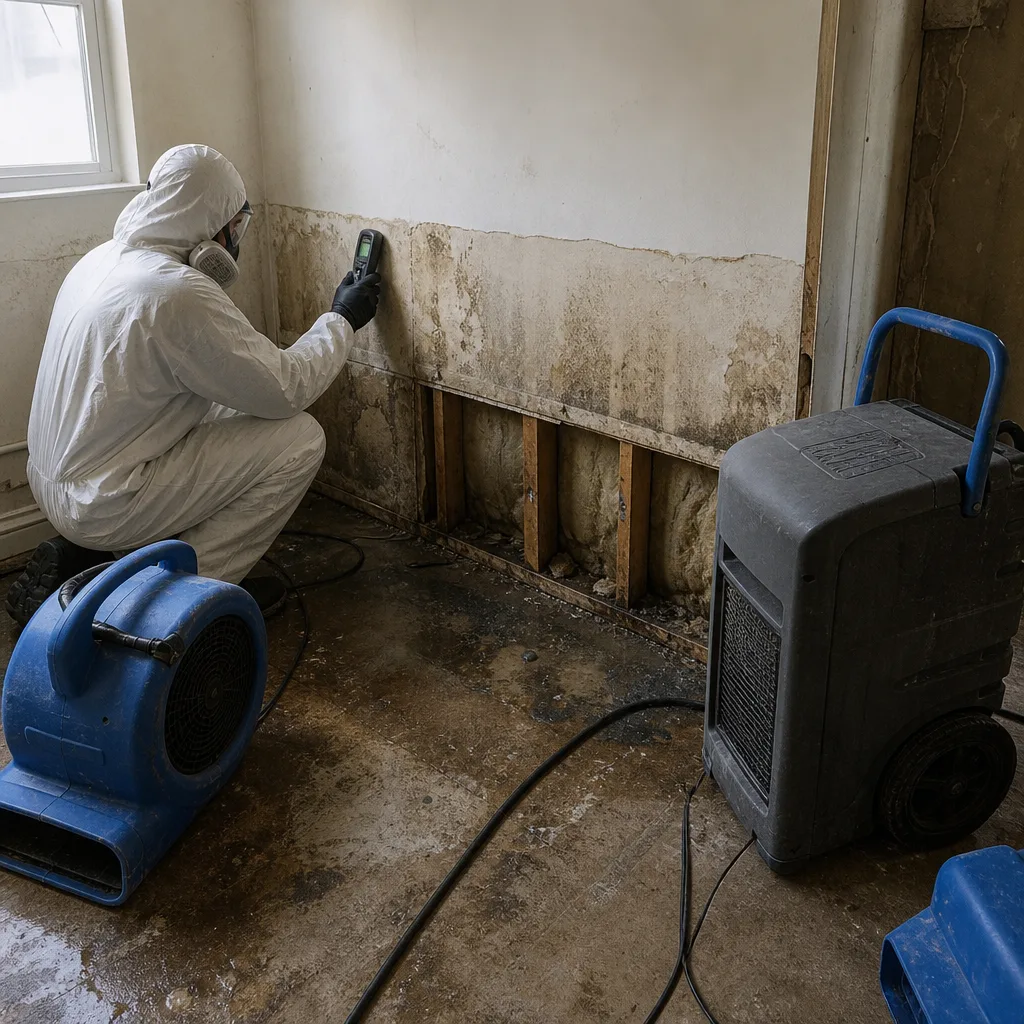 Before
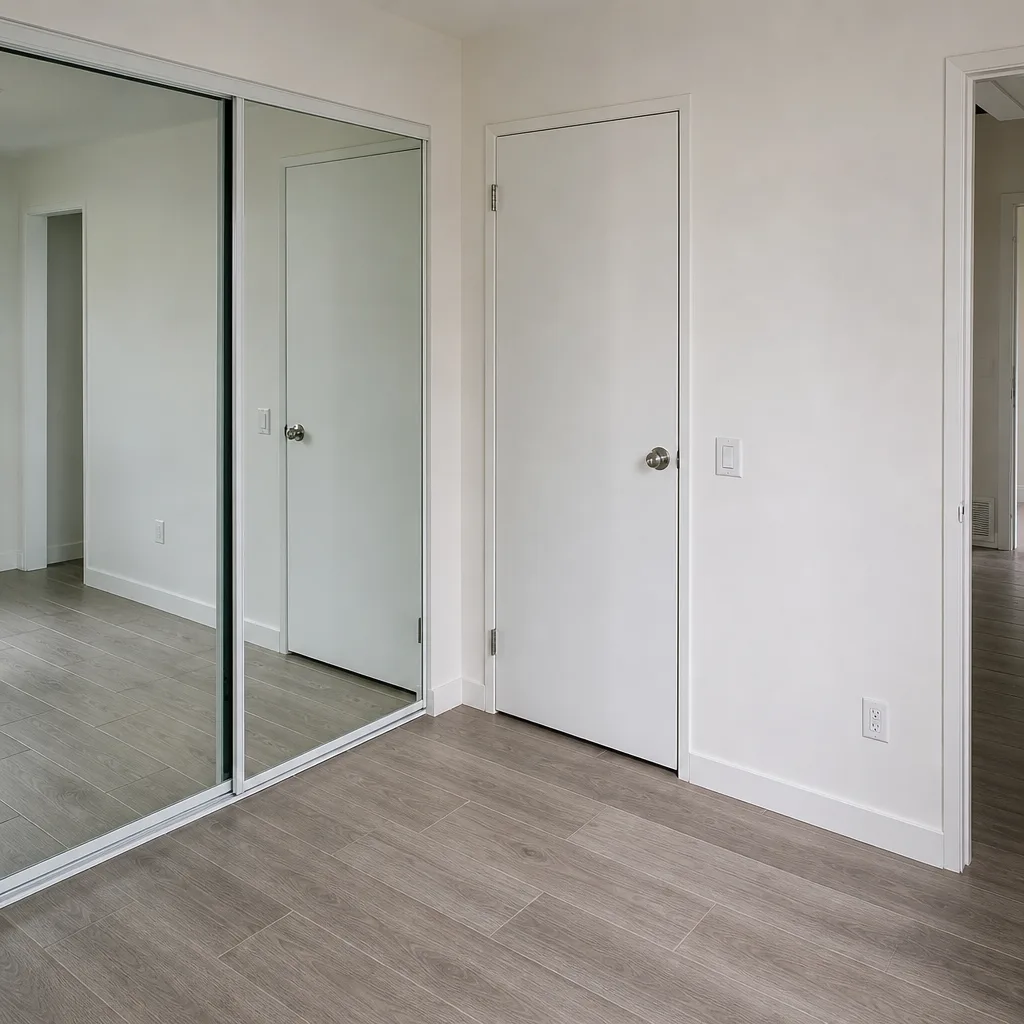 After
After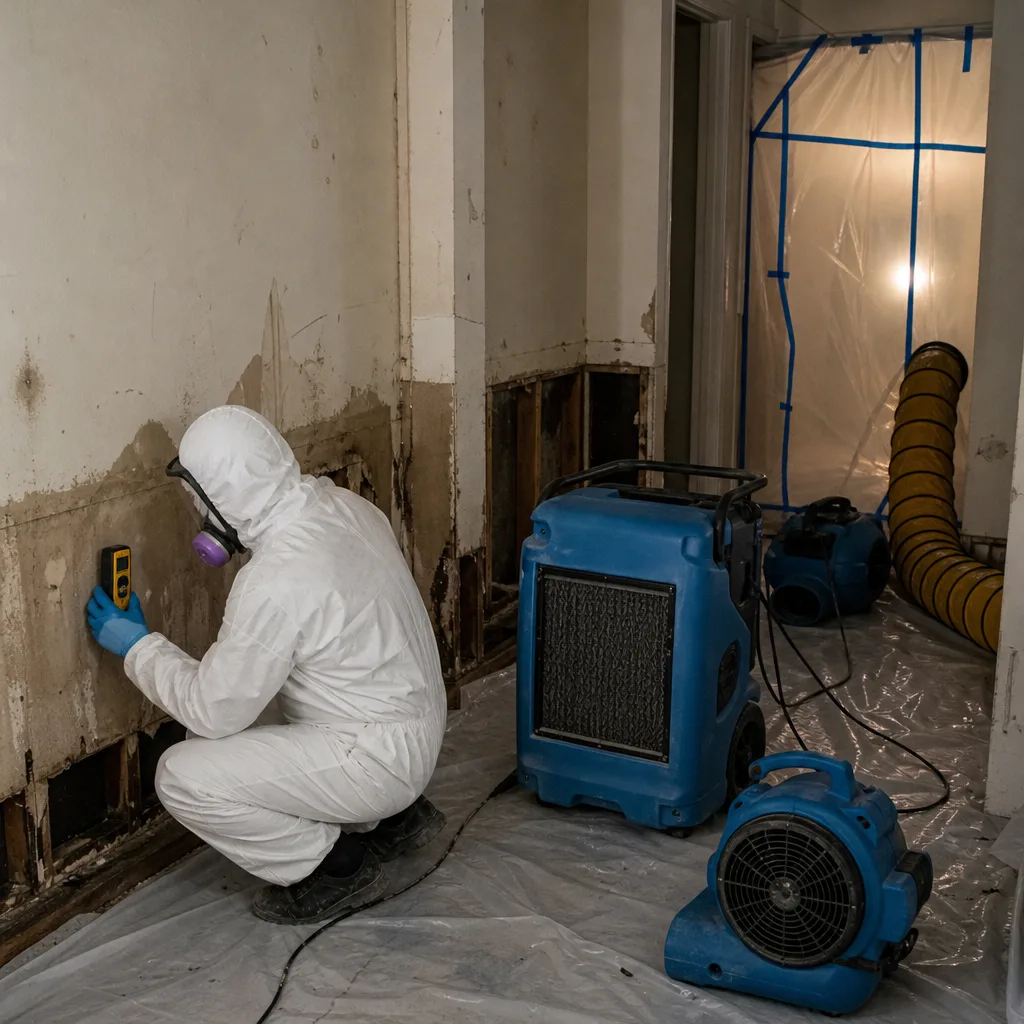 Before
 After
AfterPricing for Water Damage Restoration in Whittier, CA
We Also Serve Cities Near Whittier
If your property sits just outside Whittier, we run crews into Hacienda Heights, La Puente, Monterey Park, and La Habra as well. The hillside drainage patterns change from city to city, but the standard doesn’t. Same written price, same equipment, same one-year guarantee.
Serving Whittier, CA - Our Local Coverage Area
We’re based in the Whittier area and know this community well. Use the map below to see our service coverage - if you’re nearby, we can almost certainly help.
FAQs About Water Damage Restoration in Whittier
What makes water damage restoration different in Whittier’s 1920s Craftsman homes than in newer Pico Rivera houses?
A 1920s Craftsman in Whittier hides water differently than a newer Pico Rivera tract home because the wall cavities are smaller, the lath-and-plaster holds moisture longer, and the original galvanized supply lines are far more likely to pinhole behind a wall. We approach a Whittier Craftsman with the assumption that water has already wicked into structural framing, so we meter deeper and dry longer than we would in a newer home with modern drywall and copper plumbing. The drying protocol changes, and our documentation reflects that.
How quickly should I call after a water leak in my Friendly Hills home before mold starts?
Call within the first 24 hours if you can; mold can begin colonizing on wet drywall and wood in 48 to 72 hours in Whittier’s winter humidity. In a Friendly Hills hillside home, crawl space moisture compounds the problem: the earth under the house holds moisture, and the wet wall wicks from both sides. The earlier we get extraction and drying started, the more of the original structure you keep. Call (559) 249-4798 as soon as you see water.
Does Whittier require a permit for water damage restoration work like removing a flooded basement wall?
For most water damage restoration in Whittier, including flood extraction, structural drying, and interior demolition to access wet framing, no permit is required because the work is classified as repair and mitigation, not new construction. If the rebuild scope grows to include structural alterations or plumbing reroutes, that’s when a permit enters the picture, and we’ll tell you plainly when it applies. Keegan Restoration West Covina never hides a permit requirement from you.
What’s the difference between drying out a flooded basement in Whittier’s hills versus flatland La Habra?
In Whittier’s hills, especially Friendly Hills and Michigan Park, the water often enters from the downhill foundation corner and carries soil with it, which means the crawl space and knee walls hold water longer and dry slower. Flatland La Habra basements typically see water from pipe failures or surface flooding, where the soil around the foundation drains faster. The hillside job needs more air movement under the house and a longer metered drying curve. We plan for that from the first walkthrough.
Do I need to pack out my furniture for water damage restoration in my Uptown Spanish Colonial, or can it stay?
In most Uptown Spanish Colonial Revivals with hardwood floors, the flooring can often dry in place if we get to it within 24 to 48 hours, and furniture stays in the room if the drying layout allows it. We set air movers to force air under and around the furniture, not just on top of it, and we monitor the subfloor with penetrating moisture meters. If the water sat too long or the hardwood is cupping, we’ll tell you which pieces need to move, and we’ll document every step for your adjuster.
Call Keegan Restoration West Covina for Water Damage Restoration in Whittier
Water moves fast in Whittier, and our crews move faster. Whether it’s a flooded basement on the downhill side of a Friendly Hills lot or a hidden pipe leak inside a Uptown Craftsman wall, we’ll show up inside the window we give you, put the scope in writing, and start extraction with professional-grade equipment. Every repair is covered by the 365-Day Done Right Promise: if it fails within one year, we return and make it right at no charge. Call (559) 249-4798 now for a free estimate and a live person on the line.
Written by Shane Pruitt, Owner at Keegan Restoration West Covina, serving Whittier and surrounding communities.