
Last updated October 16, 2026
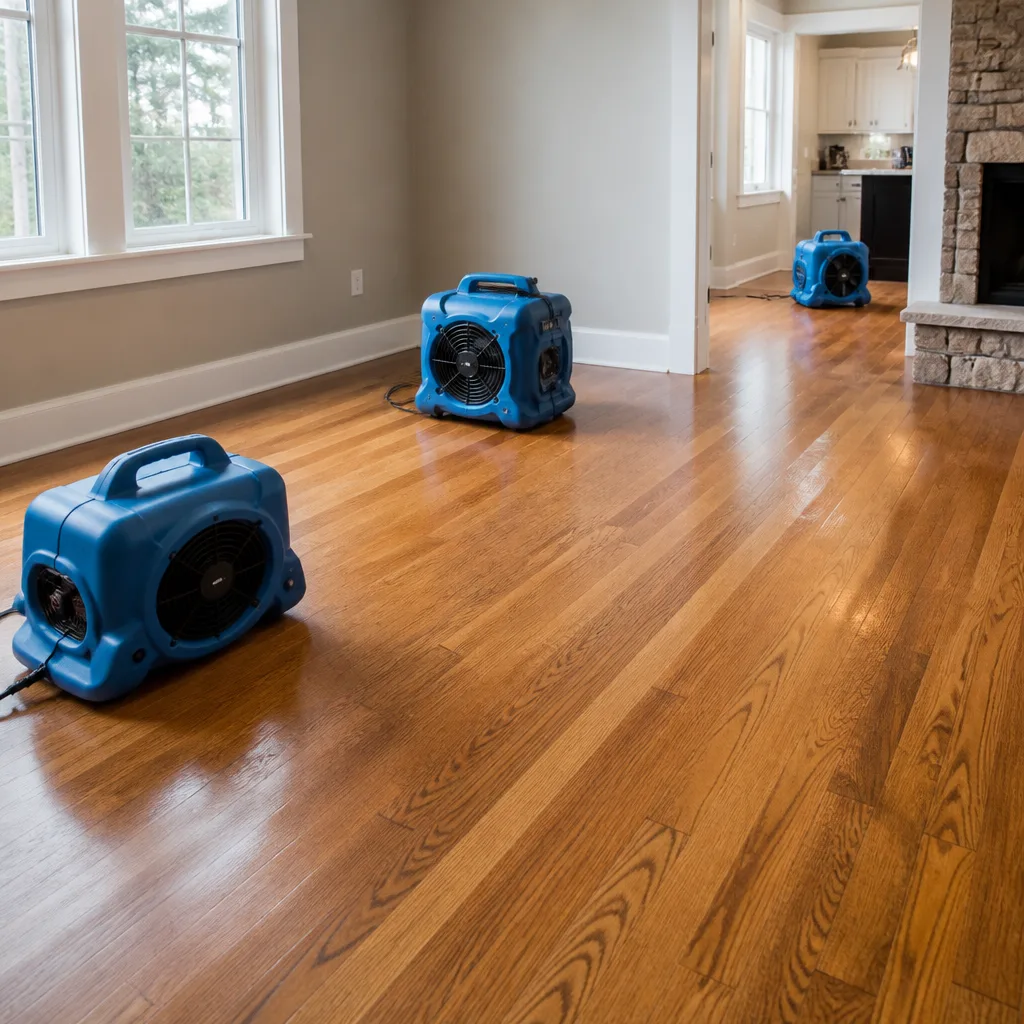 Water damage drying
 Fire & smoke cleanup
 Mold remediation
 Storm response
 Sewage cleanup
 Reconstruction
Free visual inspection and a written scope of work before any mitigation begins - photos, moisture readings, and drying logs go in your claim file
The scope we write is the scope we bill. Anything new gets shown to you, in writing, before we touch it.
Get your free estimateThe Complete Guide to Damage Restoration in West Covina
FEMA data shows mold colonization begins within 24 to 48 hours of water intrusion, yet the average West Covina homeowner spends three to four hours researching contractors before calling one. That window is already closing while you read reviews. This guide maps the full restoration process around a clock, because in West Covina, every contractor decision downstream flows from what you do in the first two hours. For Damage Restoration Warning Signs: A West Covina Homeowner’s Reference Guide you can use before calling anyone, see our companion post. You’ll learn what actually happens hour by hour after water, fire, or mold damage, what the terms on your estimate really mean, and how to avoid the pricing games that plague this trade.
Quick Answer
Damage restoration in West Covina means returning a home to its pre-loss condition after water, fire, or mold damage, and the single variable that matters most is response speed. Water damage requires extraction and drying within the first 24 hours; fire damage requires board-up and water mitigation immediately after the fire is out; mold remediation requires source removal, not just surface cleaning. In all three cases, a written scope of loss and documented drying records are what turn your insurance claim from a negotiation into a straightforward reimbursement.
Restoration work we handle
Table of Contents
- The First 48 Hours: A Damage Timeline That Applies to Every West Covina Home
- Water Damage: What Actually Happens Beneath the Surface
- Fire Damage: Why the Water You Don’t See Becomes the Problem You Will
- Mold Remediation: Why Surface Cleaning Is Not Remediation
- How the Three Damage Types Interact in a West Covina Home
- What “Complete Restoration” Actually Means in California
- The Documentation Chain: Work Order, Adjuster’s Estimate, and Your Settlement
- Written Pricing Before Work Starts: The Single Most Important Contractor Decision
The First 48 Hours: A Damage Timeline That Applies to Every West Covina Home
Every restoration manual starts with the same sentence: time is the enemy. Here is what that sentence actually means, hour by hour, in a West Covina house built on a slab foundation with stucco exterior walls and plumbing that might date to the Eisenhower administration.
Hour 0 to Hour 2
Water from a burst supply line is saturating drywall, carpet padding, and whatever sits directly below the leak. Gypsum drywall begins to lose structural integrity. The water is already traveling horizontally inside wall cavities, finding the path of least resistance. In a slab foundation home, which describes most of West Covina’s housing stock, water that reaches the floor does not drain into a crawlspace. It spreads across the slab, under baseboards, into closets, and beneath any flooring with a particleboard core.
If this is a fire job, the first two hours are when a board-up crew should be securing the property. An unsecured structure invites theft, weather intrusion, and additional loss that your adjuster may classify as preventable. If this is mold, the first two hours are when a technician should be identifying the moisture source that is feeding the colony. No source control, no remediation.
Hour 2 to Hour 6
Wood studs and subflooring begin to swell. Laminated flooring starts to delaminate. Carpet padding, which acts like a sponge, is now fully saturated and holding water against the slab. Warm interior temperatures accelerate the process. West Covina’s summer heat, where daytime highs routinely clear 90 degrees, speeds evaporation inside enclosed wall cavities. That sounds helpful. It is not. Evaporation without controlled dehumidification pushes moisture vapor into drywall, insulation, and wood framing, creating the exact conditions mold needs to colonize.
Hour 6 to Hour 24
Drywall that has been wet for six hours is often no longer salvageable. Baseboards begin to warp and pull away from the wall. The air in the affected rooms now carries elevated humidity, and mold spores that were dormant in the drywall or carpet are active. This is when professional-grade drying equipment matters. We run Phoenix and Dri-Eaz dehumidifiers and XPOWER air movers on these jobs because the equipment has to remove moisture faster than the structure is releasing it, and homeowner-grade fans do not produce the static pressure required to dry inside wall cavities.
Hour 24 to Hour 48
This is the FEMA window closing. Mold colonization becomes visible. Odors that were faint yesterday are now unmissable today. The cost of restoration has begun to climb not because materials are more expensive but because the scope of work has grown-exactly why our Damage Restoration Cost Breakdown: The West Covina Homeowner’s Reference for 2026 is worth reviewing early. What was a dry-out becomes a rebuild. In West Covina homes with older galvanized plumbing, what was a pinhole leak becomes a full repipe when the pipe finally fails under line pressure after decades of internal corrosion.
The takeaway here is not subtle. A restoration contractor who can answer the phone at midnight and dispatch a crew means the difference between a three-day drying project and a three-week rebuild. If you are reading this while water is actively entering your home, shut off the main valve at the street, call your insurance company, and then call a restoration contractor. In that order.
Water Damage: What Actually Happens Beneath the Surface
Water damage restoration in West Covina is not carpet cleaning. It is a physics problem. The water you can see is a fraction of the water that is doing structural harm, and the water inside the wall cavity is what determines whether you get a drying project or a mold project ten days later.
The trade calls this psychrometrics: the study of how temperature, humidity, and airflow interact inside a building. When a restoration technician sets drying equipment, he is not just pointing fans at a wet spot. He is measuring the vapor pressure in the air, the moisture content of the affected materials, and the rate at which the structure is releasing water. The goal is to pull moisture out of building materials and into the air, then out of the air and into a dehumidifier, at a rate that prevents secondary damage. Too slow, and mold colonizes. Too fast, and hardwood floors cup and crack.
Here is what a proper water damage restoration in West Covina includes, in order:
- Emergency contact and dispatch. A live person answers. A crew gets scheduled within hours, not days.
- Source identification and stop. If the source is still flowing, the meter is still running. Stopping the source is step one, every time.
- Water extraction. Professional-grade extraction equipment pulls standing water from carpet, padding, and hard surfaces. This is not a shop vac. The difference in water removal volume between a truck-mounted extractor and a rental unit is measured in gallons per minute.
- Moisture mapping. The technician documents which materials are wet, how wet, and where the water has migrated. This becomes the scope of loss.
- Drying and dehumidification. Equipment runs continuously until moisture content returns to a documented dry standard. This typically takes three to five days, not one.
- Contents handling. Salvageable items get moved, dried, and stored. Unsalvageable items get documented and listed for your adjuster.
- Repair and reconstruction. Only after the structure is dry does the rebuild begin.
West Covina’s climate matters here. Our dry summers help at the margins, but winter rain, combined with stucco exteriors that trap moisture behind the cladding, means that a small roof leak left alone becomes a mold problem inside a wall cavity long before it becomes a stain on the ceiling. If you see a water stain on a ceiling in a West Covina home, the water has already been in that cavity for days.
One detail most homeowners miss: your insurance policy covers the ensuing loss, not the source. If a supply line fails and floods your living room, the water damage is covered, but the cost to replace the failed pipe is typically on you. A good contractor knows this and writes the scope accordingly, separating the mitigation work from the source repair. That is the difference between a clean claim and a prolonged negotiation. We cover the full scope of water damage restoration in West Covina on our dedicated service page.
Fire Damage: Why the Water You Don’t See Becomes the Problem You Will
A house fire in West Covina produces three types of damage, and homeowners only see one of them. The fire itself burns structure and contents. The smoke leaves residue that etches surfaces and penetrates anything porous. And the water used to fight the fire saturates everything the flames did not reach. That third category is the one that surprises people and the one that turns a fire claim into a mold claim when it is handled wrong.
Fire damage restoration begins with board-up and stabilization. A structure with a burned roof section or broken windows is open to weather, animals, and people. In West Covina, where many homes back up to hillside terrain, a broken window or open wall invites every rodent in the area. Board-up is not optional. It is the first billable line item on a fire restoration estimate, and the adjuster expects to see it.
After the structure is secured, the process follows a sequence:
- Water extraction and drying. The same equipment and standards apply here as on a flood job, because the firefighting water is now sitting in drywall, insulation, and flooring.
- Soot and smoke residue removal. This is not wiping down walls. Smoke residue is acidic and chemically active. Different surfaces require different cleaning methods: dry-chem sponges on drywall, alkaline cleaners on hard surfaces, HEPA vacuuming on porous materials.
- Odor control. Smoke odor lives in wall cavities, ductwork, and insulation. Thermal fogging, ozone treatment, and sealers are the only methods that address odor at the source. Air freshener is not a restoration method.
- Contents cleaning and pack-out. Salvageable textiles, electronics, and furniture go to a cleaning facility or get cleaned on site. Unsalvageable items get documented for the adjuster.
- Structural repair and rebuild. Frame members that are charred get sistered or replaced. Sheathing that is burned through gets removed. This is reconstruction, not mitigation, and it is scoped and priced differently.
In our experience, the single biggest misunderstanding on fire jobs is the water. Homeowners understand the charred wall. They do not understand that the 500 gallons of water the fire department used to save the house is now inside the structure, wicking up drywall, soaking insulation, and creating a mold problem that will show up as a musty smell about ten days after the fire is out. A restoration contractor who skips the drying step because “the fire is out” is setting you up for a second claim. We cover the full fire restoration process on our fire damage restoration in West Covina page.
Mold Remediation: Why Surface Cleaning Is Not Remediation
Mold remediation in West Covina is one of the most misunderstood services in the restoration trade, and the misunderstanding exists because the industry has allowed it to. Some contractors use “mold remediation” to mean spraying bleach on a stained wall and painting over it. That is not remediation. That is concealment, and it fails every time because the moisture source that fed the colony is still there.
Mold is a symptom. The underlying condition is moisture. A remediation contractor who does not first identify and correct the moisture source is selling you a temporary fix at a permanent price. The IICRC S520 standard, which governs professional mold remediation, is explicit about this: you control the moisture, you contain the work area, you remove the contaminated material, you clean the rest, and you verify that the job worked. There are no shortcuts in the standard, and no cleaning method that skips source removal meets it.
A proper mold remediation sequence looks like this:
- Assessment and moisture source identification. The technician determines where the water is coming from and whether the mold is limited to a contained area or has spread through the HVAC system or wall cavities.
- Containment. The affected area gets sealed off with polyethylene sheeting and negative air pressure so spores do not spread to clean rooms during removal.
- Source removal. Porous materials that are colonized, like drywall, insulation, and carpet padding, get removed and bagged for disposal. Non-porous surfaces get HEPA vacuumed and cleaned with appropriate antimicrobial agents.
- Drying. The affected structure gets dried to a documented standard before any rebuild begins.
- Verification. A post-remediation inspection confirms that the moisture problem is solved and the mold is gone. No verification, no finished job.
West Covina’s older housing stock has a particular vulnerability here. Galvanized plumbing installed in the 1960s and 1970s is at the end of its service life. These pipes fail from the inside out, starting as pinhole leaks inside wall cavities. The leak is slow enough that the homeowner never sees water. They smell something musty first, or they find discoloration on a baseboard in a wall that has no visible plumbing. By the time the stain is visible, the mold has often been colonizing for weeks. The full mold remediation scope, including what we do and how we document it, is on our mold remediation in West Covina page.
How the Three Damage Types Interact in a West Covina Home
Water, fire, and mold are not separate service lines. They are three chapters of the same process, and the boundaries between them are porous. A house fire produces water damage. Water damage left untreated produces mold. A mold remediation job that does not correct the moisture source produces mold again. This is why the restoration industry uses one broad term for all of it: damage restoration West Covina CA, and why the same companies that handle water extraction also handle fire board-up and mold containment.
The interaction pattern that catches most West Covina homeowners is the fire-to-water-to-mold sequence. A kitchen fire gets extinguished. The fire department’s water sits in the drywall and subfloor. The homeowner calls a general contractor who patches the burned area but does not run drying equipment, because drying is not in the general contractor’s scope. Ten days later, the homeowner notices a musty odor near the repaired wall. There is now mold in the wall cavity, and the insurance company is being asked to open a second claim. The adjuster is not sympathetic, because the initial mitigation was handled by someone who did not understand the interaction.
The same interaction runs in reverse. A homeowner in the hills above Azusa Avenue gets water damage from a storm. The water extracts and dries, but the technician does not check the wall cavity for pre-existing mold behind the stucco. The drywall gets patched, the paint gets touched up, and 30 days later the stain returns. The moisture source was never the storm. It was a slow plumbing leak that the storm just made visible, and the mold was already there.
Here is what this interaction means for your contractor decision. A restoration company that handles all three damage types, and that runs every job to the same written standard, is not a marketing convenience. It is a technical necessity. The person drying your fire job needs to understand mold. The person remediating your mold needs to understand water. The person scoping your water job needs to understand fire, because the insurance policy’s coverage boundaries for each are different, and the scope of loss needs to reflect those boundaries accurately.
This is where a single restoration contractor who documents everything pays for itself. We are part of the Garrison Partners family, and every job we run goes through the same process: identify the source, contain the damage, dry the structure, document every step, and repair to a written standard. The Keegan Restoration West Covina home page explains what that standard means across all three damage types.
What “Complete Restoration” Actually Means in California
The phrase “complete restoration” gets thrown around a lot in this industry, and it means whatever the contractor using it wants it to mean. In California, there is no statute that defines the term. There are industry standards, published by the IICRC, the RIA, and the IFA, that define what professional restoration work includes. There are insurance policy definitions that determine what gets covered. There are lien laws and contractor licensing requirements that determine who can charge for the work. But “complete restoration” itself has no legal definition, and homeowners get burned because they assume it means something it does not.
When a contractor tells you they do “complete restoration,” ask them to put it in writing. Specifically:
- Does “complete” mean the mitigation work only, or does it include the rebuild?
- Does the price include contents handling and storage, or is that a separate line item?
- Does the scope include verification that the structure is dry, or just the drying attempt?
- Does the project end with a written guarantee, and what does the guarantee actually cover?
In our shop, “complete restoration” means three things, and all three are in writing before we start. First, the structure is returned to a dry standard that we can prove with documentation. Second, the affected materials are repaired or replaced to match the surrounding condition. And third, every repair is backed by the 365-Day Done Right Promise: if it fails within one year, we return and make it right at no charge. That is The Garrison Standard, and it is the only definition of “complete” we work to.
California has one additional wrinkle that most national restoration guides miss. The state requires contractors performing restoration work on residential property to hold a valid contractor’s license from the Contractors State License Board, and any contractor doing mold remediation is subject to specific disclosure requirements. The details matter. A contractor who shows up without a license, or who outsources the mold work to an unlicensed sub, is creating liability for you, not just for himself. Shane Pruitt, who leads Keegan Restoration West Covina, insists on licensed technicians on every job because the alternative is a legal mess on top of a property loss.
The Documentation Chain: Work Order, Adjuster’s Estimate, and Your Settlement
Insurance is almost always in the room on a restoration job, even when nobody says the word out loud. The homeowner knows the claim is coming. The contractor knows the adjuster will scrutinize every line item. And the adjuster knows that restoration contractors sometimes inflate the scope because the homeowner is in a vulnerable position and will not push back. The single thing that protects the homeowner in this triangle is documentation.
Here is how the documentation chain works on a properly run job:
- The contractor’s work order. This is the initial scope of loss: what was wet, what was burned, what was contaminated, and what the contractor proposes to do about it. It should be priced in writing before work starts.
- The daily drying log. On water and fire jobs, the technician records moisture readings, humidity levels, and equipment run times every day. This is what proves to the adjuster that the drying work was actually done, not just billed.
- The photo documentation. Every affected area gets photographed before work begins, during the process, and after completion. The adjuster will not visit every room. The photos are the evidence.
- The adjuster’s estimate. This is the insurance company’s own scope of loss, built on software that prices out materials and labor by zip code. It will not match the contractor’s estimate line for line. That is normal. The negotiation happens at the line-item level.
- The final settlement. This is the number the insurance company agrees to pay. It is lower than what the contractor originally quoted if the adjuster disputed line items, and higher if the documentation justified the scope.
The failure point in this chain is almost always step two or step three. A contractor who does not keep daily drying logs, or who does not photograph every affected area, leaves you with an estimate the adjuster can challenge because there is no evidence the work was necessary. This is why we document every job to IICRC and RIA standards and format the documentation to support your claim. The photos, the logs, and the scope of loss are yours. They belong to your claim file, not to us.
One more point that saves West Covina homeowners real money: document your contents before the adjuster arrives. Photograph everything. The ruined couch, the water-stained bookcase, the smoke-damaged curtains. If it is not photographed, the adjuster assumes it was not damaged. A restoration contractor who does not remind you of this is leaving settlement dollars on the table.
Written Pricing Before Work Starts: The Single Most Important Contractor Decision
The most common dispute in post-disaster restoration is not about quality of work. It is about price. The homeowner gets a verbal estimate that sounds reasonable. The work gets done. The final bill is higher than the verbal estimate, and the contractor’s explanation is that “the scope grew as we got into the walls.” The homeowner has no written baseline, so the dispute becomes a negotiation from unequal positions.
The Garrison Standard exists to eliminate this specific dispute. The price is put in writing before any work begins. If the scope changes because the damage is more extensive than the initial assessment showed, the change gets put in writing and agreed to before the additional work starts. The price does not move at the door. There is no bait-and-switch. This is the standard that Keegan Water Damage Restoration has run to since 2005, as part of the Garrison Partners family.
Why does this matter for your insurance claim? Because the adjuster needs a written scope to price against. A contractor who works from verbal estimates is a contractor whose final bill does not match the adjuster’s file, and the homeowner gets caught in the gap. A contractor who prices in writing, and who documents the work to the same written standard, gives the adjuster a clean file to settle against. That is how claims close faster.
The written price is also what makes the 365-Day Done Right Promise meaningful. If the repair fails within a year, we return and make it right at no charge, and the original written scope is what defines what “right” means. There is no ambiguity about what was included, because the inclusion was documented before the work started. The guarantee is not a marketing line. It is a written term of the job.
The equipment we run on these jobs matters too, because the written price has to cover work that actually achieves the standard. We use Dri-Eaz and Phoenix dehumidifiers, XPOWER air movers, and Injectidry drying systems, operated in compliance with IICRC, RIA, and IFA standards. Homeowner-grade equipment cannot dry a wall cavity, and no written guarantee can cover work that was never going to work in the first place.
Common Mistakes to Avoid
- Waiting to call. Every hour of delay grows the scope of work. The West Covina homeowner who calls at hour two gets a drying project. The one who calls at hour 30 gets a mold remediation project.
- Hiring a general contractor for mitigation work. A general contractor builds. A restoration contractor mitigates. The skills, the equipment, and the documentation standards are different, and the insurance company knows the difference even if you do not.
- Accepting a verbal estimate. If the price is not in writing before work starts, the final bill is whatever the contractor says it is. There is no settled contract without a written price.
- Skipping the documentation. If there are no photos and no drying logs, the adjuster has no reason to pay for work that cannot be proven. A restoration job without documentation is a restoration job without a claim.
- Painting over mold. Bleach, Kilz, fresh paint. This hides the symptom and ignores the source. The mold is still there, and it will come back through the paint within months.
- Choosing the cheapest bid. In restoration, the cheapest bid is usually the one that skips the drying step, the containment step, or the documentation step. Those are not savings. They are deferred costs that land on you later.
- Filing the claim before securing the property. Insurance policies require you to mitigate further damage. If you let the house sit open or wet while waiting for the adjuster, the additional loss may be denied as failure to mitigate.
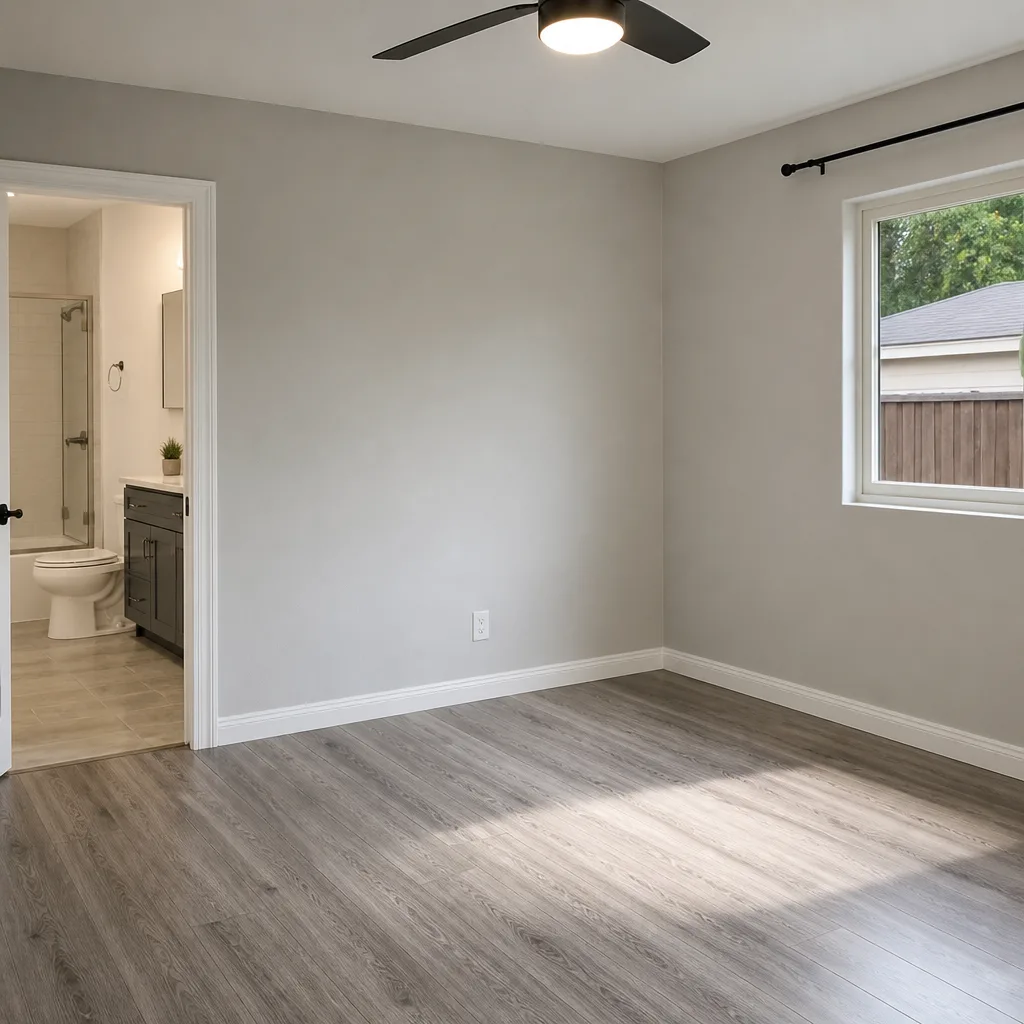
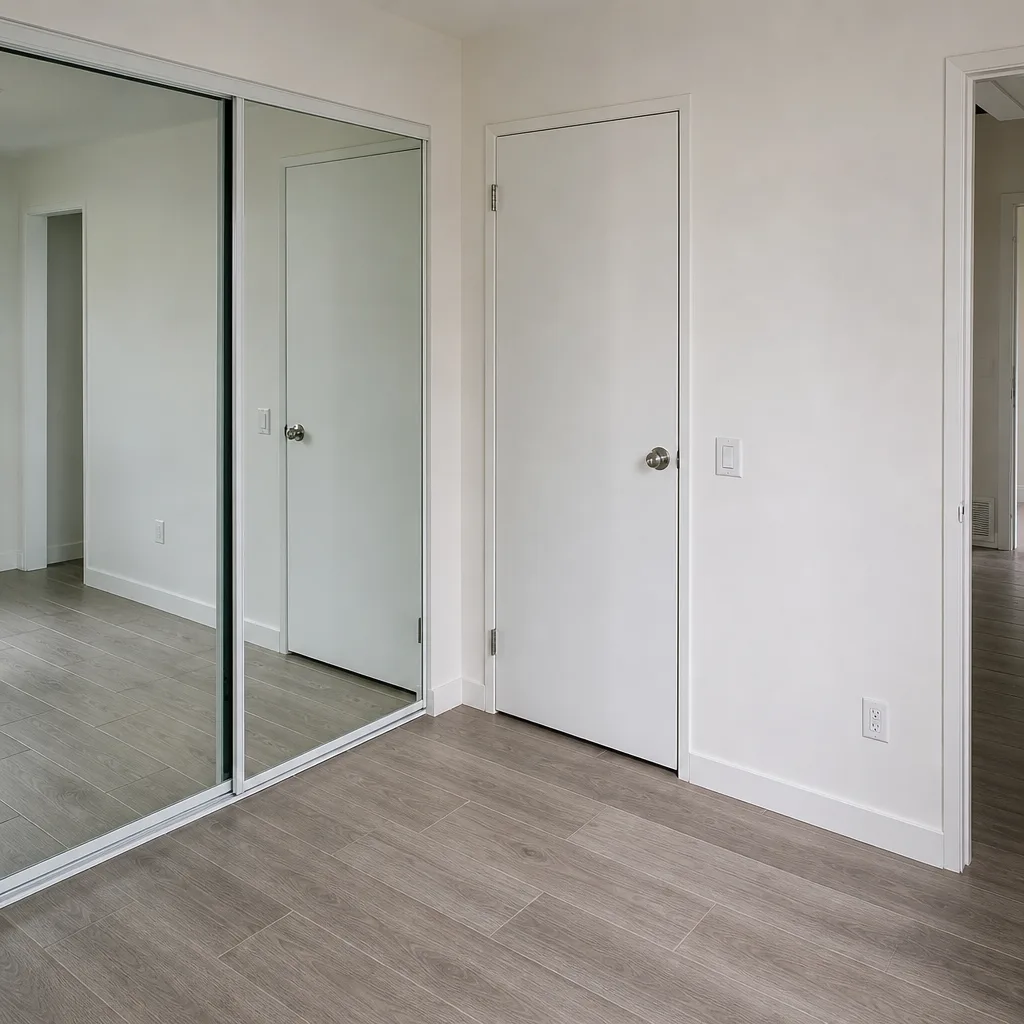
See the difference
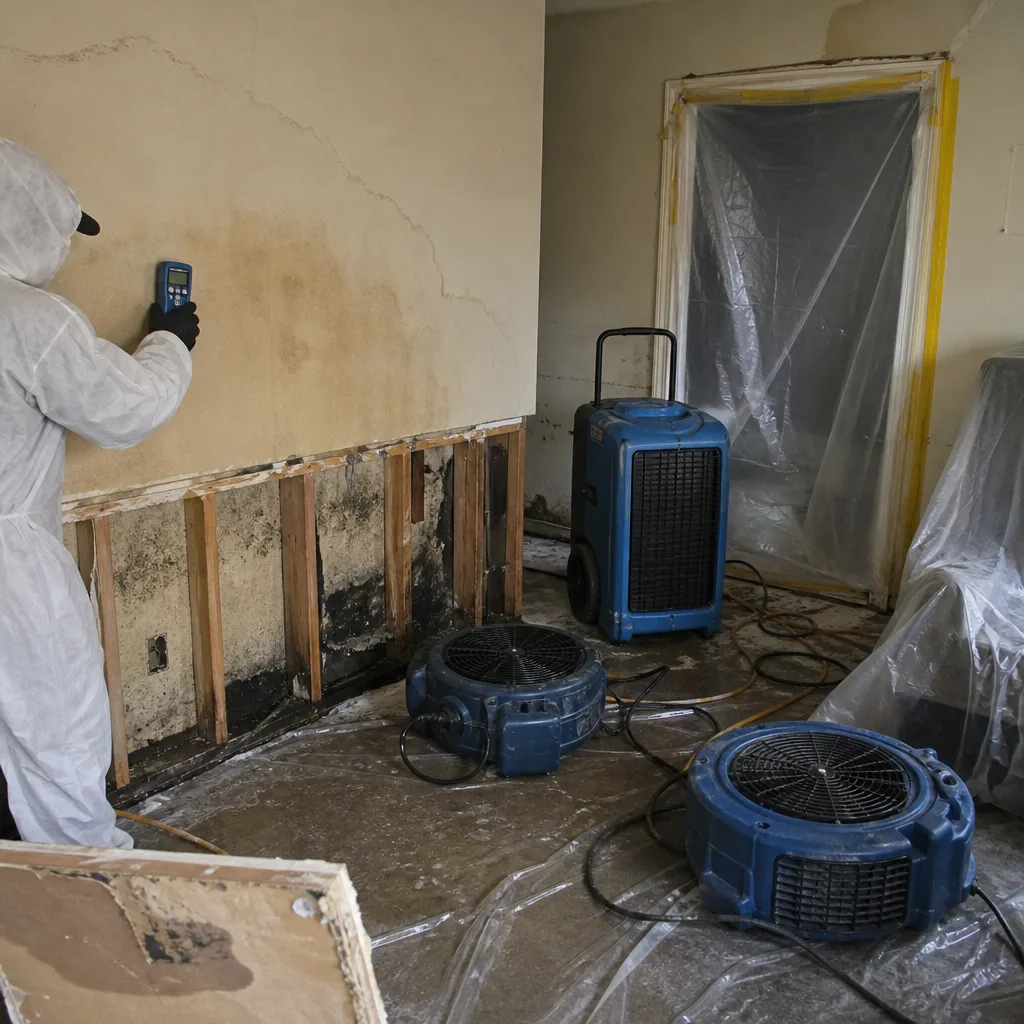 Before
 After
After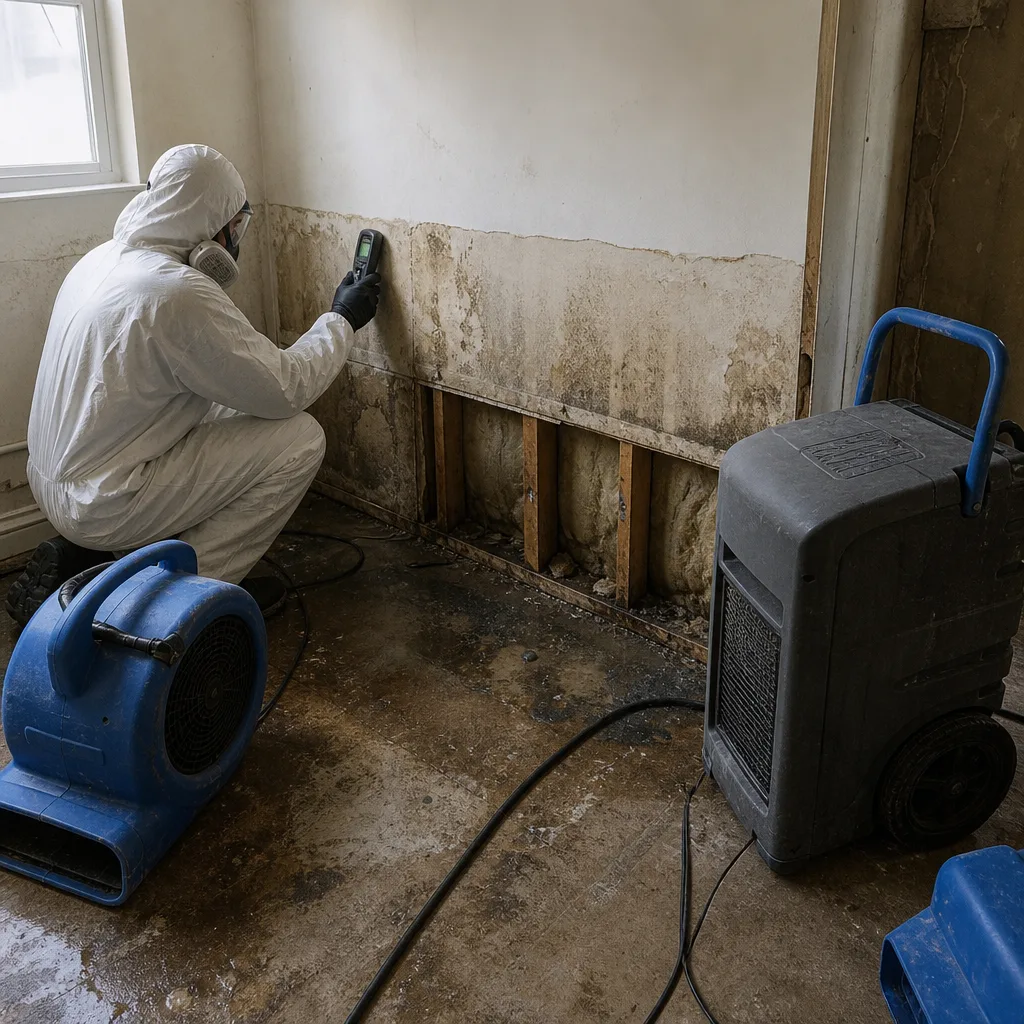 Before
 After
After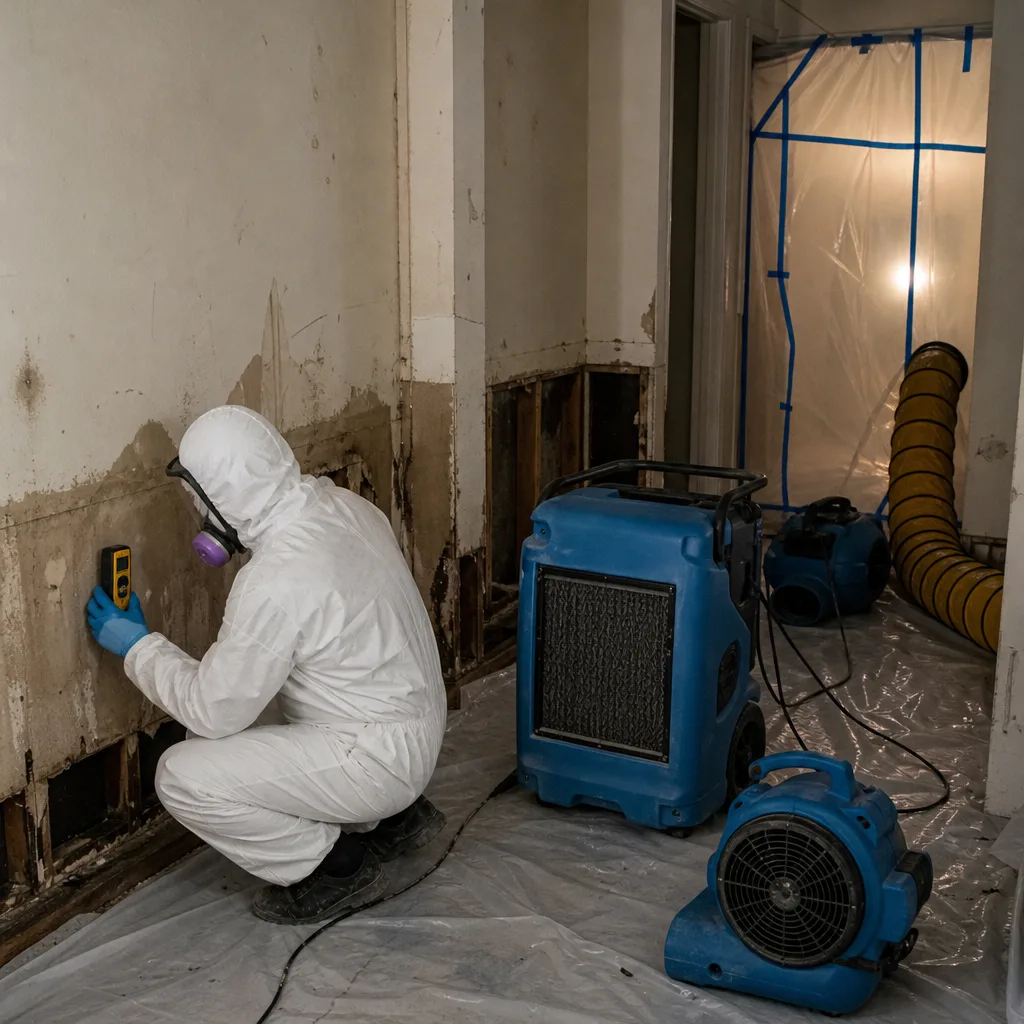 Before
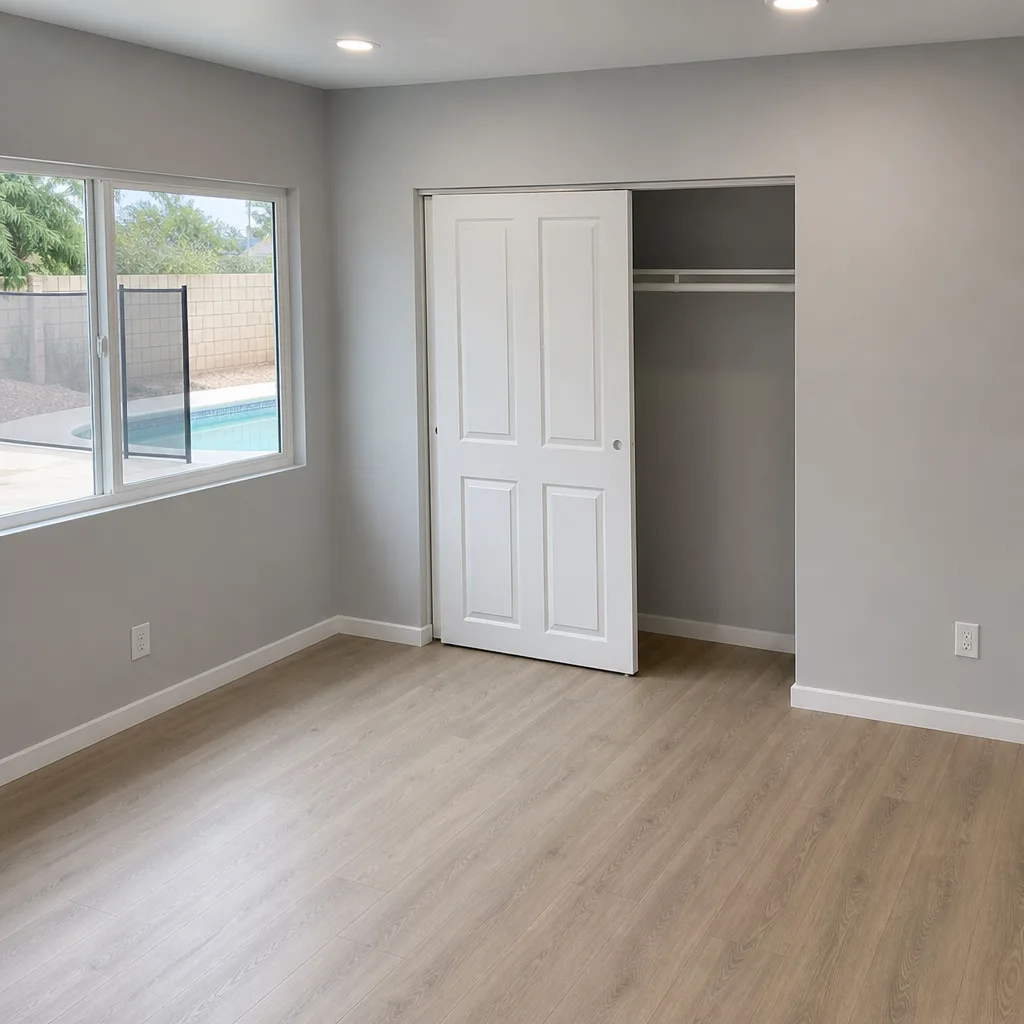 After
AfterWhen to Call a Professional
Call a restoration professional the moment you notice water where it should not be, smell smoke after a fire, or see mold that covers more than a patch you can clean in one minute. Call before you call the adjuster if the damage is active: a burst pipe, a sewage backup, an open roof. The mitigation needs to start within hours, and the adjuster’s visit will not happen for days. Call if the damage is anything beyond a small spill you can dry yourself in an hour. Every hour of delay grows the scope. Keegan Restoration West Covina offers free estimates in West Covina, and a live person answers the phone 24 hours a day at (559) 249-4798.
Frequently Asked Questions
Water damage restoration in West Covina typically runs $1,200 to $5,000 for a contained room flood, with larger or multi-room losses ranging higher based on the square footage affected, the materials involved, and the drying time required. The price depends on the scope of loss: extraction alone is less expensive than extraction plus drying plus rebuild. Call (559) 249-4798 for a written estimate, which we provide before any work begins.
A restoration crew can typically be on site within hours of the first call, not days, because Keegan Restoration West Covina answers the phone live 24 hours a day and dispatches from a local West Covina location. Water damage does not wait for business hours. The faster the crew arrives, the smaller the final scope of work.
Most homeowner policies cover the ensuing damage caused by a covered event, meaning the water damage, fire damage, or mold growth is covered, but the failed pipe or appliance that caused it may not be. The best way to know is to call your adjuster, and to make sure your restoration contractor documents every affected area and provides a written scope of loss that supports the claim. A documented claim settles faster and for more than an undocumented one.
Visible mold on a wall or ceiling almost always indicates a larger colony behind the surface, because mold grows in hidden cavities where moisture is trapped for weeks before the stain becomes visible. Surface cleaning without source removal leaves the moisture source active and the hidden colony growing. A professional mold assessment is the only way to know the true extent of the problem.
A contained water damage job with no rebuild typically takes three to five days of drying, plus whatever repair time the affected materials require. A fire job with board-up, mitigation, and rebuild can run several weeks. Mold remediation depends on the extent of the contamination and the rebuild required after source removal. Every project gets a written timeline as part of the written scope.
Both. You own the claim, and the adjuster works for the insurance company. A good restoration contractor produces documentation, photos, and a written scope of loss that supports your claim and speaks to the adjuster in the language the adjuster expects. The contractor does not replace you in the claim process. The contractor gives the claim the evidence it needs to settle.
The Bottom Line
Damage restoration in West Covina comes down to three decisions, and two of them happen in the first hour. Call fast, because water colonizes mold within 24 to 48 hours and every delay grows the scope. Hire a restoration contractor, not a general contractor, because mitigation requires equipment, standards, and documentation that general construction does not provide. And insist on a written price before work starts, because the verbal estimate is the single most common source of post-disaster disputes in this trade. The contractor who gives you a written scope, documents every step, and backs the repair with a written guarantee is the contractor your insurance file wants to work with. That is the standard we run to. If you are facing water, fire, or mold damage in West Covina, call (559) 249-4798 and we will put the price in writing before we touch the job.
Written by Shane Pruitt, Owner at Keegan Restoration West Covina, serving West Covina since 2005.