
Last updated October 16, 2026
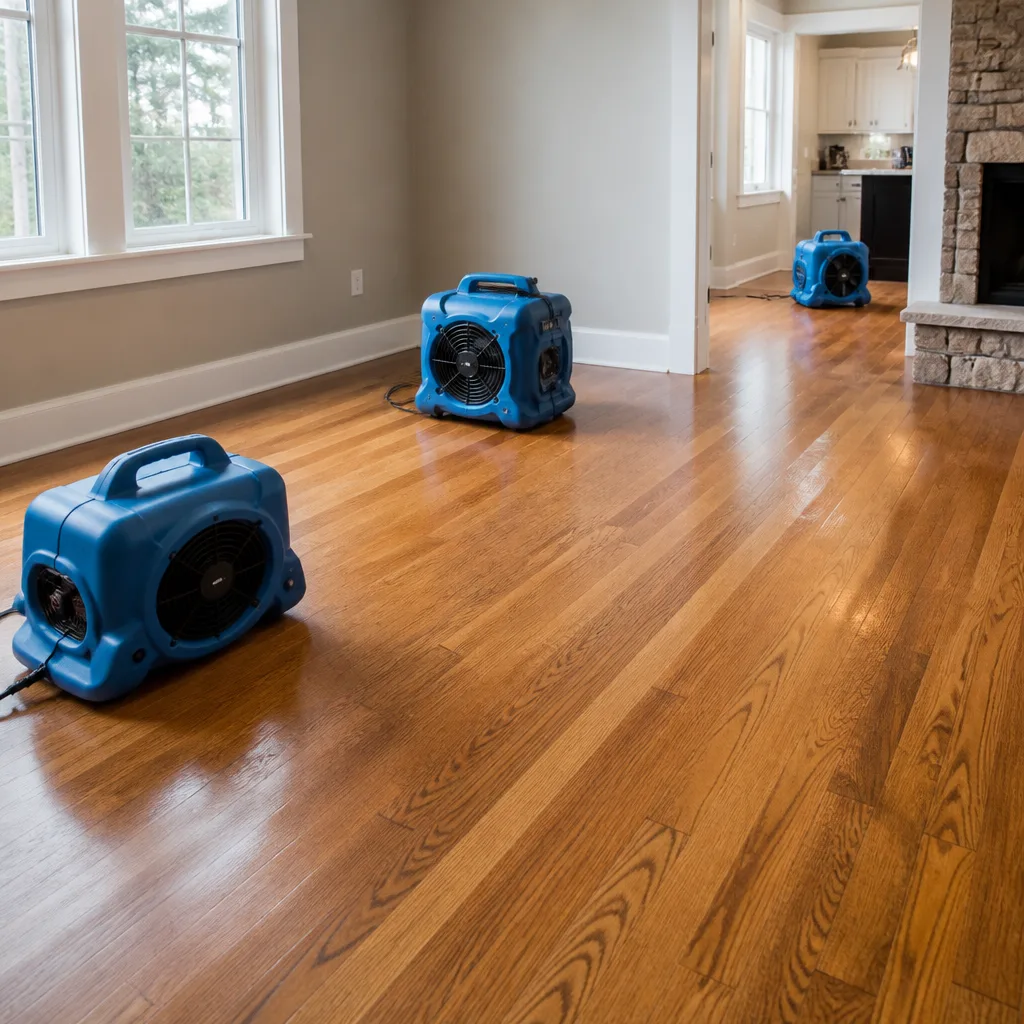 Water damage drying
 Fire & smoke cleanup
 Mold remediation
 Storm response
 Sewage cleanup
 Reconstruction
Free visual inspection and a written scope of work before any mitigation begins - photos, moisture readings, and drying logs go in your claim file
The scope we write is the scope we bill. Anything new gets shown to you, in writing, before we touch it.
Get your free estimateWater Damage Restoration Maintenance Checklist for West Covina Homeowners
The San Gabriel Valley’s expansive clay soils shift seasonally, and that movement is the leading reason West Covina homeowners find slab cracks and foundation intrusion that no national “winter prep” checklist ever mentions. When the ground beneath your home moves, pipes flex, supply lines torque, and hairline cracks open in places you can’t see until water has already found its way in. This guide does something different from the generic checklists floating around the internet. We built it around the actual failure points our crews see in West Covina homes week after week: high municipal water pressure, aging cast-iron drain lines, flat-roof drainage on mid-century builds, and the slow but relentless squeeze of expansive soil on buried plumbing. By the time you finish reading, you’ll have a property-specific maintenance plan that targets the real risks under your roof, not recycled advice about gutter cleaning and hose bibs written for a house in Ohio.
Quick Answer
A water damage maintenance checklist for West Covina homeowners should prioritize five local risk factors: seasonal expansive-soil movement under slabs, municipal water pressure that regularly exceeds 80 PSI, aging supply lines and cast-iron drains in homes built before 1980, flat or low-slope roof drainage issues common to Spanish-tile and ranch-style construction, and documentation of existing conditions so insurance adjusters cannot dismiss a future claim as pre-existing damage. Run the full checklist twice a year – once in late summer when dry soils have contracted, and again in early winter before the wet season heave begins.
Restoration work we handle
Table of Contents
- West Covina Soil Movement and What It Does to Your Plumbing
- Test Your Pressure Regulator Before It Fails
- Supply Line Replacement Schedule for Older West Covina Homes
- Flat and Low-Slope Roof Drainage Checks
- Cast-Iron Drain Line Inspection for Pre-1980 Homes
- Document Your Home’s Condition Before You Need a Claim
- DIY vs. Licensed Contractor: Where to Draw the Line
- The Twice-Yearly West Covina Maintenance Schedule
West Covina Soil Movement and What It Does to Your Plumbing
West Covina sits on the southern edge of the San Gabriel Valley, where the predominant soil type is what geotechnical engineers call “expansive clay.” The short version: this soil swells when wet and shrinks when dry, and it does both with surprising force. During the long dry stretch from May through October, the clay under your foundation contracts. In the wet season from November through March, it heaves upward. The difference can be measurable – in some parts of West Covina, soils move enough to lift a slab by a quarter inch or more over a single winter.
That movement is not just a foundation problem. It is a plumbing problem. Buried supply lines and drain pipes move with the soil. Copper supply lines that have been in the ground for twenty or thirty years become work-hardened. When the ground shifts, those rigid lines crack at joints, at bends, and at the point where they enter the slab. We see this pattern repeatedly in neighborhoods like the older sections south of the 10 freeway and the hillside homes east of Azusa Avenue.
Here is what the soil movement checklist actually looks like for a West Covina homeowner:
- Walk your foundation perimeter twice a year and look for new cracks in exposed stem walls or slab edges. Hairline cracks under one-sixteenth inch are common; anything wider deserves a closer look.
- Check interior door frames and window frames. If doors that used to close cleanly now stick or rub at the top corner, the slab may be moving.
- Look at the soil along your foundation. During dry season, soil pulling away from the slab edge creates a visible gap. During wet season, soil swelling against the slab can create pressure. Both conditions are normal in West Covina but worth tracking year to year.
- Listen for the sound of water running when no fixture is on. A slab leak from soil-shifted piping often starts as a faint hiss or a soft rushing sound near an exterior wall.
- Check your water bill against the same month last year. A slow, unexplained rise is often the first sign of an underground leak.
None of this requires special tools or training. What it requires is consistency. The homeowner who checks twice a year and keeps notes will catch a soil-related plumbing failure months before the person who only reacts to visible water.
Test Your Pressure Regulator Before It Fails
West Covina’s municipal water supply is delivered at pressures that regularly run above 80 PSI, and in some neighborhoods near the base of the foothills the pressure can spike higher. That is by design – the city’s water system has to push water up to homes at various elevations, and the pressure at the bottom of the grade is higher than at the top. But your home’s plumbing was never meant to operate at 80 PSI or above indefinitely. Most plumbing codes target 50 to 70 PSI as the safe operating range for residential supply lines, fixtures, and water heater inlet valves.
Every home has a pressure regulator (also called a PRV – pressure reducing valve) where the municipal supply enters the property. In our experience, most West Covina homeowners have never looked at it, and a meaningful share of the regulators we test are either failing or already failed. When a regulator fails, it usually fails open – meaning it stops reducing pressure and lets the full municipal pressure through to your supply lines, hose bibs, washing machine hoses, and water heater. A burst washing machine hose or a blown water heater connection under 90+ PSI can dump hundreds of gallons into your house in under an hour.
Here is the testing procedure we recommend for any West Covina homeowner:
- Buy a water pressure test gauge with a hose-bib fitting. They cost under $15 at most hardware stores.
- Attach the gauge to a hose bib on the exterior of your home. Use a bib that is fed directly from the main supply line, not one that runs through a softener or filter.
- Turn the water on fully and read the gauge. If the reading is above 75 PSI while no other water is running in the house, your regulator is failing or absent.
- Run a faucet inside the house and check for pressure drop. If the pressure drops dramatically (more than 15 PSI) when another fixture opens, the regulator may be partially clogged.
- Repeat the test twice a year – once in summer, once in winter. Supply pressure from the city fluctuates seasonally.
If your reading comes back above 75 PSI, call a licensed plumber. Replacing a pressure regulator is a routine job, and it is dramatically cheaper than the Water Damage Restoration that follows a blown supply line. This is one checklist item where an hour of prevention is worth a five-figure repair.
Supply Line Replacement Schedule for Older West Covina Homes
West Covina’s housing stock skews older. A large share of the single-family homes in the city were built between 1955 and 1980, and many of those homes still have original copper supply lines, original galvanized steel pipe in the walls, or original washing machine hoses that have never been replaced. Each of those materials has a predictable failure mode, and in West Covina the failure mode is accelerated by the same soil movement and water pressure issues described above.
Here is the replacement schedule we recommend for West Covina homeowners. This is our actual field guidance, not a national checklist:
- Washing machine hoses: Replace every 3 to 5 years, period. Even braided stainless hoses fail, and when they do they fail at 80 PSI on an open valve that can flood a laundry room in minutes. Set a calendar reminder.
- Water heater supply connections: If your water heater was installed before 2010 and still has rigid copper inlet lines, upgrade to flexible braided connectors. The rigid lines are vulnerable to the small vibrations and pressure spikes that are normal in West Covina’s system.
- Angle stops and shutoff valves: Test every shutoff valve in the house once a year. If a valve is seized, won’t fully close, or weeps when turned, replace it. The worst time to discover a failed shutoff valve is during a leak when you need it to work.
- Exterior hose bibs: West Covina’s freeze risk is low, but it is not zero – and our winters are wet enough that a cracked bib packing will leak every time the system cycles. Check for drips when the hose is removed.
- Polybutylene supply lines: If your home was built in the late 1970s through mid 1980s and has not been re-piped, check for gray plastic pipe. Polybutylene was used in some West Covina tract builds and it is a known failure risk. Call a plumber for an assessment if you find it.
The point of this list is not to create busywork. It is to front-load cheap replacement of reachable components so you never face a mid-slab failure that costs orders of magnitude more. Every item here can be done by a competent DIYer except the re-pipe assessment – and the re-pipe assessment is exactly the kind of thing your insurance company will ask about if you ever file a claim after a supply line failure.
Flat and Low-Slope Roof Drainage Checks
West Covina’s residential architecture runs heavily toward two styles: the Spanish-tile rambler and the mid-century ranch. Both present roof drainage challenges that generic national checklists miss entirely. Spanish tile is durable, but the tile valleys and underlayment channels water in ways that fail quietly. Mid-century ranch homes often have flat or very low-slope roof sections – particularly over carports, room additions, and patio covers – where water ponds instead of draining.
Ponding water on a flat roof is a direct water intrusion risk. After a West Covina winter rain, standing water that sits for more than 48 hours can work its way through micro-cracks in the roofing membrane and into the structure below. The problem compounds over time: each wet season softens the membrane a little more, and the eventual leak shows up on a ceiling that is nowhere near the actual entry point, because water travels along the ceiling joists before it finds its way down.
Here is the roof drainage checklist for West Covina homeowners:
- After the first significant rain of the season, walk around your home and look at every flat or low-slope section. If you see standing water an hour after the rain stops, that is a drainage problem to address.
- Check all scuppers, downspouts, and roof drains on flat sections. West Covina’s dry summers fill these openings with dust, dried leaves, and debris that hardens into a clog by the time winter rain arrives.
- For Spanish-tile roofs, inspect the valley flashing where roof planes meet. Cracked or missing flashing in the valleys is the single most common leak point we see in West Covina tile roofs.
- Check the interior ceiling under any flat roof section for water staining, even faint staining. Water marks that change shape or darken over the wet season indicate an active slow leak.
- Clean gutters and downspouts before the first winter storm, not after. Once water is backing up under the tile edge, the damage has already started.
If you are comfortable on a ladder and your roof is a single story with a safe pitch, most of these checks are DIY-friendly. If the roof is steep, two-story, or tile and you have any hesitation, hire a licensed roofer. No checklist item is worth a fall.
Cast-Iron Drain Line Inspection for Pre-1980 Homes
West Covina homes built before 1980 frequently have cast-iron drain lines running under the slab. Cast iron was the standard for decades, and it is a good material for its first 30 to 40 years. After that, it corrodes from the inside out. The bottom of the pipe thins, rust scaling builds up on the interior wall, and eventually the line collapses or cracks. When that happens, the failure is not dramatic – no burst pipe announcement. It starts as a slow seep under the slab that becomes a wet spot in the floor, a sewage smell in a hallway, or a drain that backs up repeatedly no matter what you do.
The West Covina connection is specific: our expansive clay soils accelerate the stress on buried cast iron. As the soil shifts through its wet-dry cycle each year, the pipe flexes at the joints, and a corroded joint is exactly where the pipe will snap. Homes in the older tract neighborhoods north of the 10 freeway are the highest-risk cohort simply because of the age of the pipe in the ground.
Here is what a cast-iron drain inspection looks like for a homeowner:
- Pay attention to slow drains. A single slow drain is usually a localized clog. Multiple slow drains at once, especially in different parts of the house, points to the main line.
- Look for wet spots on slab floors that have no obvious source. A warm or damp patch of concrete near a bathroom or kitchen wall line is a red flag.
- If you smell sewer fumes inside the house, even faintly, do not ignore it. That odor means drain gas is entering the living space, which points to a cracked or separated line.
- Call a plumber for a camera inspection if you have any of the above. A camera inspection is not destructive, takes under an hour, and produces a video record of the pipe condition. The cost is small compared to jackhammering a slab to replace a collapsed line.
- If your home has never been re-piped and it was built in the 1970s or earlier, schedule a camera inspection proactively – even if nothing is wrong. Knowing the condition of the line is the difference between a planned replacement and an emergency under a flooded slab.
This is one area where we recommend a licensed plumber rather than DIY. The camera work requires specialized equipment, and the interpretation of what you are seeing on the screen matters. A homeowner looking at a camera feed without experience cannot reliably tell the difference between normal surface scaling and the early stages of a pipe failure.
Document Your Home’s Condition Before You Need a Claim
Here is a piece of advice that comes straight from the claims side of our business: the single most common reason a water damage claim gets disputed or reduced is that the insurance adjuster characterizes the damage as “pre-existing.” When you cannot prove what your home looked like before the failure, the adjuster will often make a judgment call that goes against you. West Covina homeowners can eliminate this risk with a simple documentation routine.
The documentation system we recommend is low-tech and takes less than an hour per walkthrough:
- Take photos of every room in the house once a year, plus the exterior walls, the water heater, the washing machine connections, and the visible plumbing under sinks. Use your phone – date and location stamps show up automatically in most photo apps.
- Take close-up photos of any existing water stains, ceiling discoloration, floor damage, or wall cracks. A labeled photo of a pre-existing stain is the strongest defense against a “pre-existing damage” denial when something new fails.
- Save your water bills. A historical record of normal water usage is direct evidence that a usage spike corresponds to a new leak, not a long-running problem.
- Keep receipts for any plumbing work, roof work, or drainage repair. Showing a documented history of maintenance strengthens any claim – insurers look favorably on homeowners who can prove they took care of the property.
- If you do hire a contractor for any water-related assessment, ask for a written report. A professional written assessment of your home’s condition before anything goes wrong is valuable evidence if something goes wrong later.
None of this prevents water damage. What it does is put you in a stronger position when water damage happens despite your best efforts. The homeowner with a year of photos, bills, and repair receipts is in a dramatically better negotiating position with their adjuster than the homeowner with nothing but a verbal description of what the room “used to look like.”
If you do find yourself filing a water damage claim, we recommend working with a restoration company that documents every phase of the job – from the initial extraction through the final repair – in a format formatted to support your insurance claim. That is part of how we run water damage restoration in West Covina, and it is a standard every homeowner should expect from any restoration contractor they hire.
DIY vs. Licensed Contractor: Where to Draw the Line
Most homeowners want honest guidance on what they can handle themselves versus what requires a licensed professional. Here is our straight answer, drawn from watching hundreds of West Covina water damage situations over the years.
Safe DIY items: testing water pressure with a gauge, replacing washing machine hoses, cleaning gutters and downspouts, walking the foundation perimeter and documenting cracks, testing shutoff valves, photographing your home’s condition for records, and checking for visible leaks under sinks. These tasks require no special tools beyond what you can buy at a hardware store, and the risk of serious injury is low.
Hire a licensed professional for: pressure regulator replacement, any work on buried supply or drain lines, cast-iron pipe camera inspection, re-piping assessments, roof work on steep or two-story sections, and any situation where you have already found water inside the home. The last one is the most important: once water has penetrated your building materials, the problem is no longer plumbing. For a deeper look at local recovery processes, see our The Complete Guide to Damage Restoration in West Covina. It is restoration – and the clock is running on mold growth and structural damage.
The line we draw is simple. If the task involves opening the wall, touching the main supply line, working under the slab, getting on a roof that is not safely walkable, or dealing with water that has already soaked into building materials – call a professional. The cost of a licensed contractor on those items is a rounding error compared to the cost of a botched DIY repair that leads to hidden water damage running for weeks.
If you are not sure which category your issue falls into, call a restoration company and ask. A reputable contractor will tell you honestly if a job is DIY-appropriate. We do this regularly at Keegan Restoration West Covina home office, and the answer is sometimes “you can handle this one yourself.”
The Twice-Yearly West Covina Maintenance Schedule
Here is the complete schedule in one place. Run it twice a year. The late-summer pass in September catches dry-season soil contraction issues and gets your home ready before the first winter storm. The late-winter pass in March catches wet-season heave damage and prepares you for the coming dry stretch.
September Pass (End of Dry Season)
- Test water pressure at a hose bib. If above 75 PSI, call a plumber.
- Walk the foundation perimeter and photograph any new cracks, comparing against your March photos.
- Clean gutters, downspouts, scuppers, and roof drains before the first rain.
- Inspect flat-roof sections for ponding after a test with a garden hose on a dry day.
- Check washing machine hoses for age, cracking, or bulging. Replace if older than 5 years.
- Test every shutoff valve in the house. Replace any that are seized or weeping.
- Take your annual photo documentation of every room, the water heater, and visible plumbing.
March Pass (End of Wet Season)
- Walk the foundation perimeter again and compare against your September photos. New cracks wider than one-sixteenth inch are worth a professional look.
- Check interior ceilings for new water staining, especially under flat-roof sections and tile valleys.
- Test water pressure again. Municipal supply pressure fluctuates seasonally.
- Check for slab leaks: unusual warm spots on floors, the sound of running water, unexplained water bill increases.
- Inspect hose bibs for drips now that winter watering is resuming.
- If you have cast-iron drains and have not had a camera inspection, schedule one before the ground starts drying.
- Update your photo documentation with any changes.
This schedule is designed around West Covina’s actual seasonal rhythms, not a generic calendar. The dry season is when the soil pulls away from your foundation and stresses buried lines. The wet season is when the heave begins and roof drainage gets tested. Run the schedule twice a year and you will catch problems in the window when repairs are cheap and localized, rather than after a failure that puts water inside your home.
Common Mistakes to Avoid
- Ignoring hairline foundation cracks. In West Covina’s expansive soil, a hairline crack at the slab edge is a data point, not a non-issue. Track it. If it grows, call a professional before it becomes a water entry point.
- Waiting to test water pressure until you have a problem. A pressure regulator can fail slowly over months. By the time a supply line blows, the regulator has been dead for a while. Test twice a year and you will catch it on the front end.
- Replacing only the visible plumbing. The supply line you can see under the sink is connected to a system you cannot see in the wall and under the slab. The failure that floods your house will almost always be in the part you cannot see.
- Running the national checklist rather than the local one. A maintenance checklist written for a freeze-state house is worse than useless in West Covina – it trains you to check the wrong things while the real risks go unexamined.
- Documenting nothing until after the damage. The photos you do not take before the failure are the ones your adjuster will ask for after it. Document every year, every season.
- Hiring a contractor who will not put the price in writing before starting. In the restoration trade, verbal estimates that move at the door are a known problem. At mold remediation in West Covina and every other restoration service, the written price before work starts is the standard you should expect.
- Treating a water stain on the ceiling as a one-time event. Water marks do not self-heal. A stain that appears after a rain is evidence of an active leak that is currently running, not a historical marker to paint over.
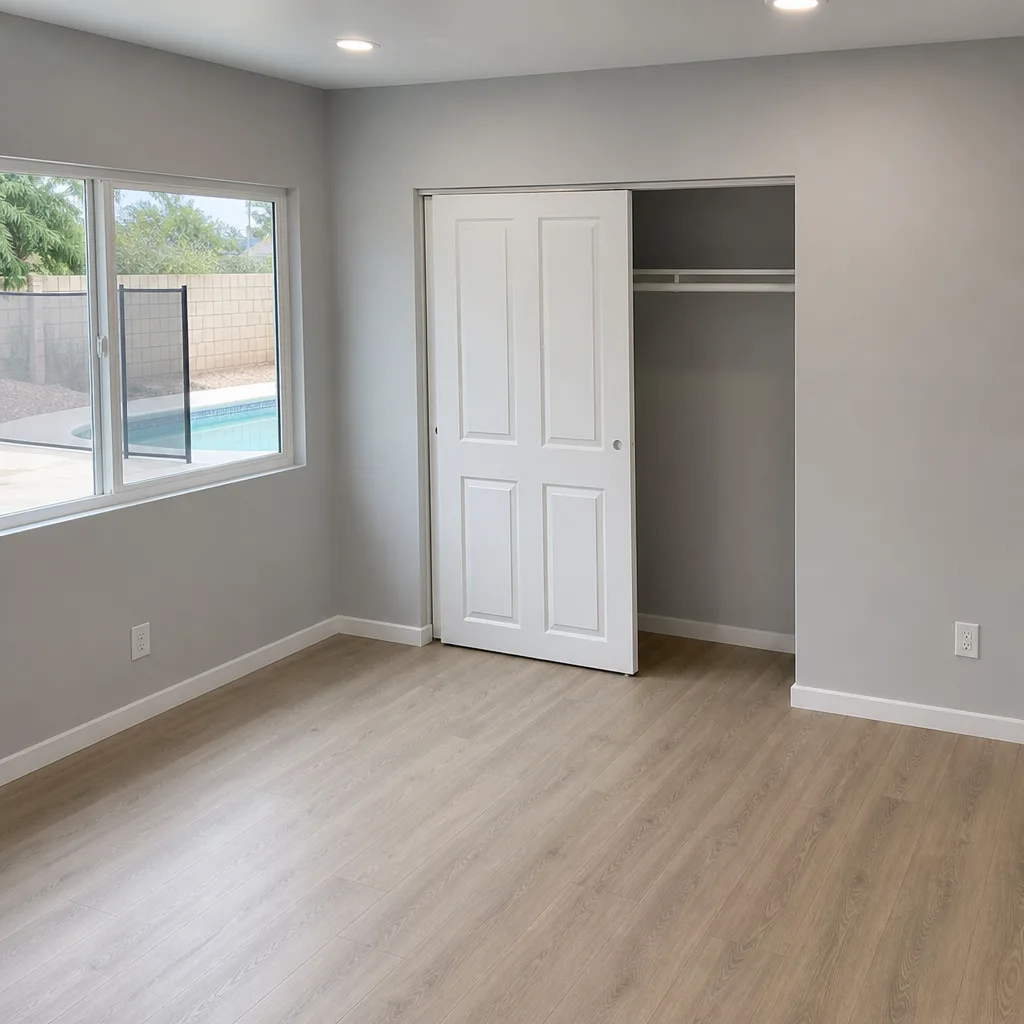
See the difference
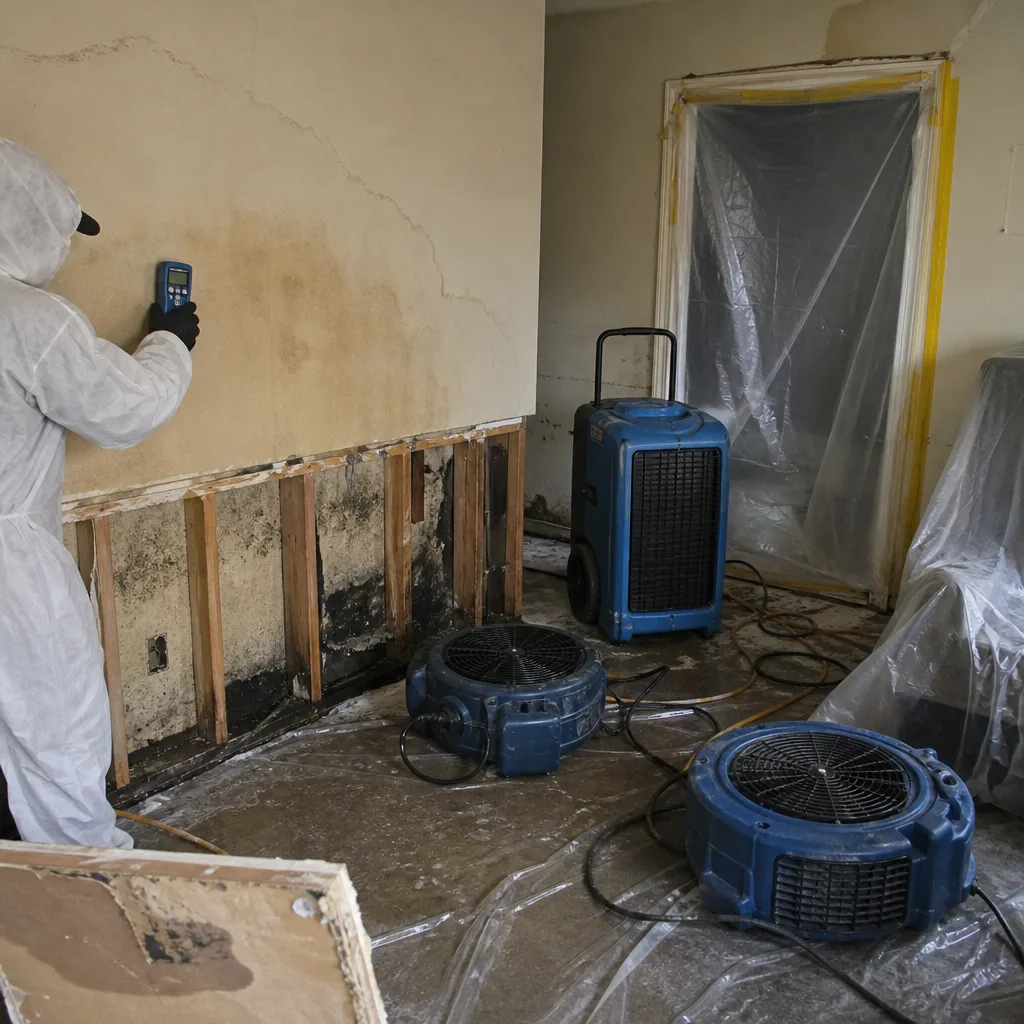 Before
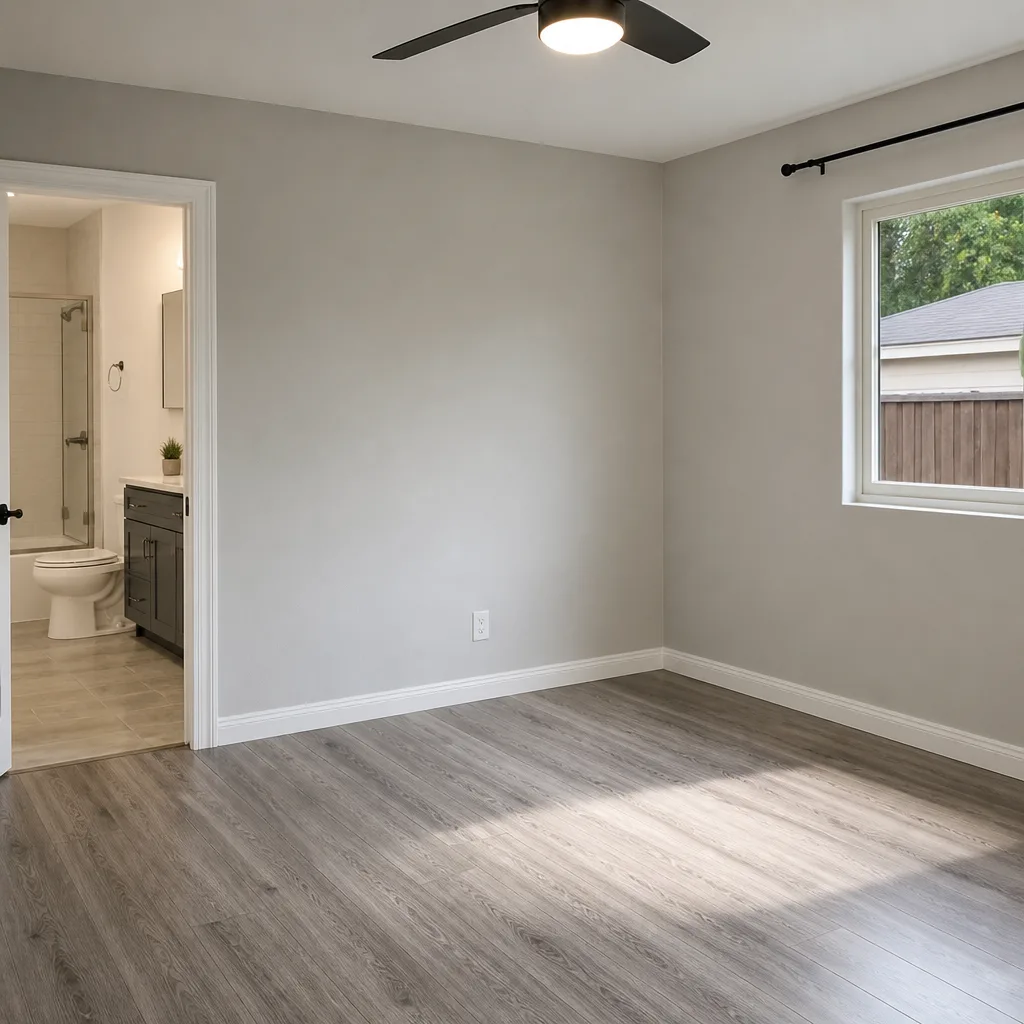 After
After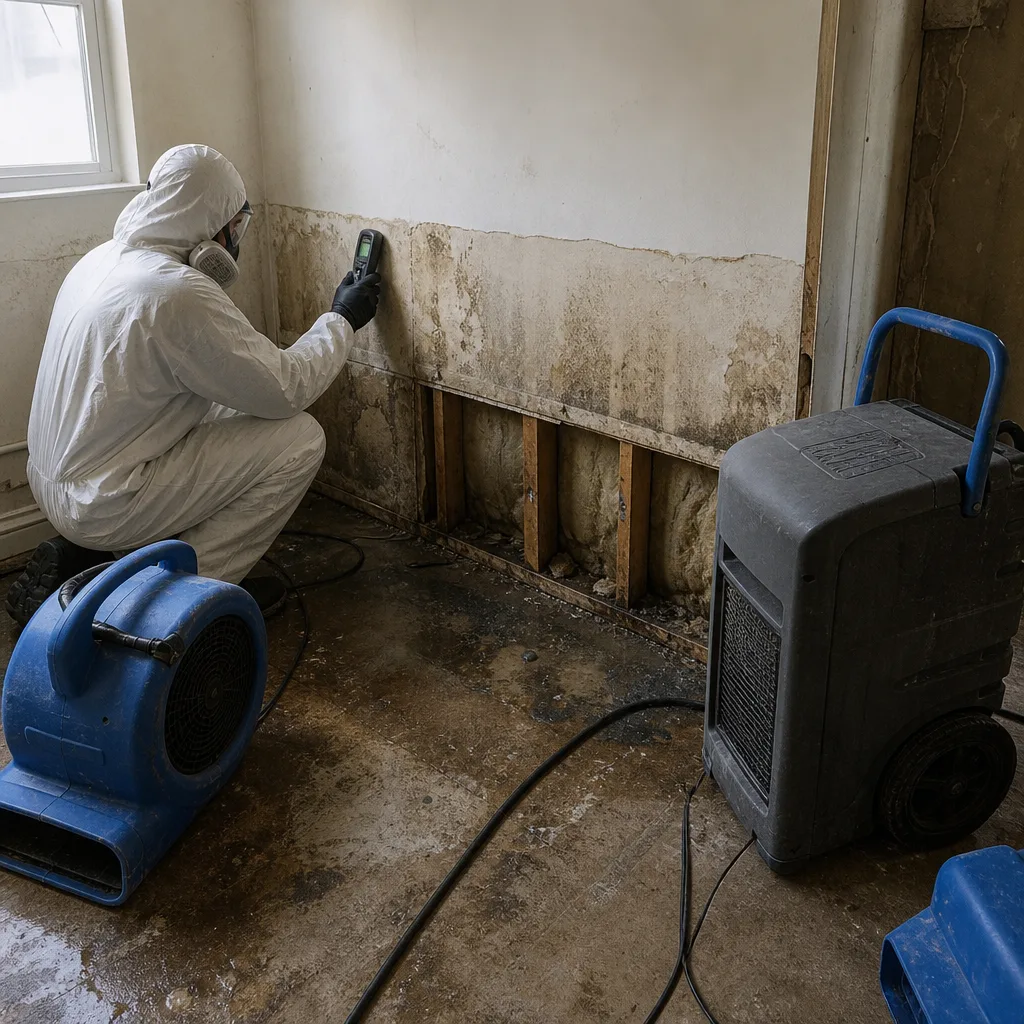 Before
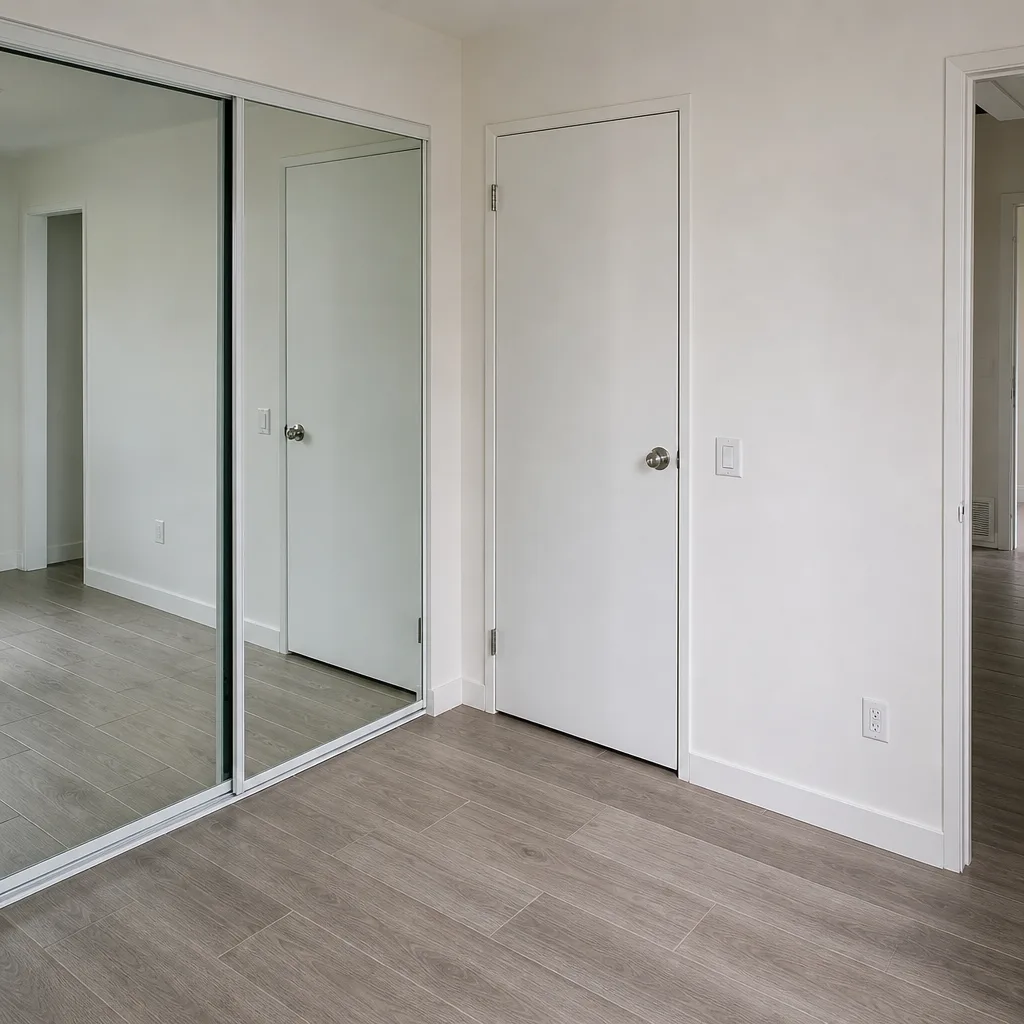 After
After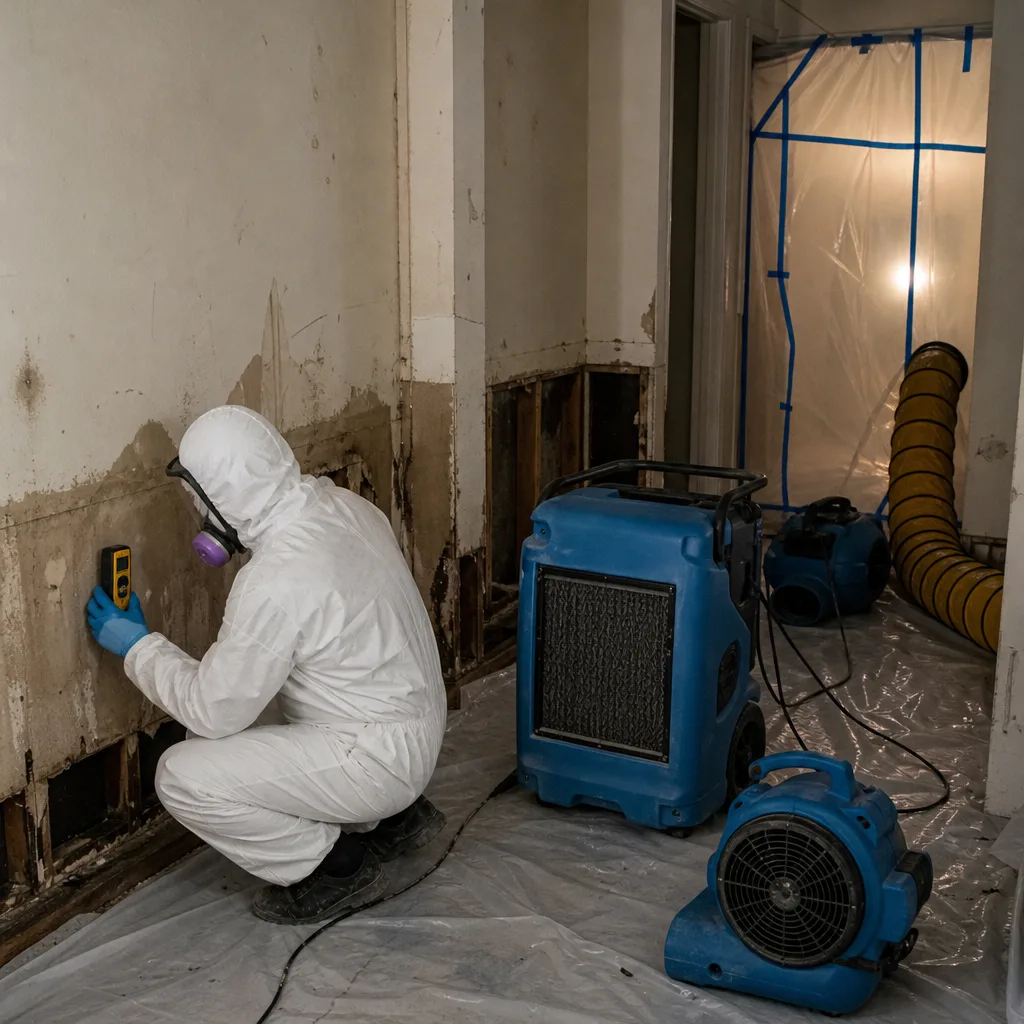 Before
 After
AfterWhen to Call a Professional
Call a professional when you find water inside your home that you cannot explain, when your pressure regulator tests above 75 PSI twice in a row, when you see standing water on a flat roof section after rain, when multiple drains back up at once, when you smell sewer gas inside the house, or when a new crack appears in a slab floor and you can feel a temperature difference on the concrete. None of these are wait-and-see situations. The cost of the call is small. The cost of the waiting is not. Fire Damage Restoration in West Covina runs on the same discipline we apply to water work – scope first, price in writing, then the job. Keegan Restoration West Covina offers free estimates in West Covina – call (559) 249-4798 and talk to a live person, day or night.
Frequently Asked Questions
A slab leak shows up as one or more of these signs: an unexplained spike in your water bill, the sound of running water when no fixtures are on, warm spots on the floor, damp carpet edges in a bathroom or kitchen, or a foundation crack that was not there last season. If you have any of these, call a plumber or restoration company within a day or two – a slab leak does not stop on its own.
Water damage restoration in West Covina typically runs from $2,500 to $8,000 for a contained single-room incident with extraction, drying, and repair, up to $15,000 to $35,000 or more for multi-room or Category 3 (sewage) events. The final number depends on how long the water ran before it was stopped, what materials were soaked, and how much of the structure needs to be opened. A water damage restoration assessment in West Covina will give you a written scope and price before any work begins. Call (559) 249-4798 for a free estimate based on your specific situation.
Most homeowners insurance policies cover sudden and accidental water damage from a failed supply line, water heater connection, or washing machine hose. What they typically do not cover is gradual damage that accumulated over months or years, which is why documentation of your home’s condition and maintenance history matters so much. The adjuster will want to see that the failure was sudden. Your records prove it. When you file, work with a restoration company that documents every phase of the job in a format designed to support your claim. For budgeting context, see our Damage Restoration Cost Breakdown: The West Covina Homeowner’s Reference for 2026.
Test your water pressure twice a year, in September before the wet season and again in March after it. West Covina’s municipal supply regularly runs above 80 PSI, and regulators fail gradually. Semi-annual testing catches the failure before the pressure spike blows a supply line. The gauge costs under $15 and the test takes five minutes.
If the water came from a clean supply line, was stopped quickly, and the affected area is small and non-porous, a competent DIYer can often dry it with fans and dehumidifiers within 24 hours. If the water soaked into drywall, carpet, or wood, or if it came from a drain or sewage line, call a professional. Water in building materials wicks upward and outward faster than most people realize, and the moisture you cannot see is where mold starts. The extraction and drying equipment our crews use – Dri-Eaz and Phoenix dehumidifiers, XPOWER air movers, Injectidry systems for wall and hardwood drying – is not what you can rent at a hardware store.
The Garrison Standard is the operating discipline that governs every Keegan Restoration West Covina job: the price is put in writing before any work begins, technicians are background-checked and arrive in uniform, and every repair is backed by the 365-Day Done Right Promise – a written, one-year guarantee with a free return visit if the work fails. If a restoration contractor cannot tell you their version of that standard in one sentence, keep looking. In the restoration trade, the written standard is what separates a company you can let into your home from one you cannot.
The Bottom Line
Water damage in West Covina follows predictable patterns, and those patterns are tied to the ground under your house, the pressure in your pipes, and the age of your plumbing. Expansive clay soil moves seasonally and stresses buried lines. Municipal water pressure runs hot enough to accelerate supply line failures. Pre-1980 cast iron has a finite service life. Flat roofs pond and leak quietly. The maintenance checklist in this guide is designed around those realities, not around national averages. Run it twice a year, document everything, and call a professional the moment you find water where it should not be. The discipline of routine maintenance is the cheapest insurance you will ever buy. For more guides & resources, visit our blog. When you need a restoration crew, expect the same discipline from the company you hire: price in writing before work starts, trained technicians in uniform, and a written guarantee on every repair. That is how we work at Keegan Restoration West Covina, and it is what you should demand from anyone who works in your home. Call (559) 249-4798 for a free estimate.
Written by Shane Pruitt, Owner at Keegan Restoration West Covina, serving West Covina since 2005.