
Last updated October 16, 2026
 Water damage drying
 Fire & smoke cleanup
 Mold remediation
 Storm response
 Sewage cleanup
 Reconstruction
Free visual inspection and a written scope of work before any mitigation begins - photos, moisture readings, and drying logs go in your claim file
The scope we write is the scope we bill. Anything new gets shown to you, in writing, before we touch it.
Get your free estimateDamage Restoration Permits, Codes & Inspections in CA: What You Need to Know
A West Covina homeowner who sells their house after an unpermitted drywall repair following water damage can face a buyer’s inspector flagging it, a title issue, or a fraud allegation if they failed to disclose it. The permit nobody pulled for a $4,000 repair can kill a $700,000 sale. Most homeowners don’t think about building codes when they’re standing in three inches of water at 2 a.m. But the decisions made in the first 48 hours after a loss determine whether the restoration work will pass inspection later, protect your insurance claim, and hold up when you eventually sell the home. This guide explains California’s permit requirements for restoration work in plain language, what West Covina’s local process looks like, and what happens when corners get cut. For related reading, see our Damage Restoration Warning Signs: A West Covina Homeowner’s Reference Guide.
Restoration work we handle
Quick Answer
In California, emergency water extraction and mold remediation typically do not require a permit because they’re considered abatement work. But reconstruction work after damage, including structural drywall replacement, electrical repairs, plumbing replacement, and HVAC work, does require a permit in most cases. In West Covina, the contractor performing the work is legally required to pull the permit, not the homeowner. Skipping a required permit can void a home sale, trigger code enforcement fines, and give your insurance company grounds to dispute coverage on future claims.
Table of Contents
- California Building Code Thresholds: When a Permit Is Required
- Remediation vs. Reconstruction: The Permit Line Nobody Explains
- West Covina’s Local Permit Process: Who Pulls, How Long, What Inspectors Check
- How Unpermitted Work Affects Homeowner’s Insurance on Future Claims
- What “Documented to Support Your Insurance Claim” Actually Means
- Inspection Checkpoints: What Gets Looked At and When
- What Happens If You Skip the Permit: Code Violations, Sales, and Disclosure
- Common Mistakes to Avoid
- When to Call a Professional
- Frequently Asked Questions
- The Bottom Line
California Building Code Thresholds: When a Permit Is Required
The California Building Code (CBC), based on the International Building Code with state amendments, sets the legal thresholds for when construction work requires a permit. The code doesn’t care whether your project started as an emergency. It cares about scope. If the scope of work touches certain systems or exceeds quantity thresholds, a permit is mandatory.
Here’s what the CBC requires permits for in restoration work:
- Structural drywall replacement: Replacing more than a small patch of drywall on a wall or ceiling that’s part of a fire-rated assembly or shear wall requires a permit. In most water damage scenarios, full sheet replacement of drywall on exterior walls or ceilings exceeds the threshold.
- Electrical work: Any replacement of wiring, outlets, switches, or panel work affected by water or fire requires a permit. Water-damaged wiring is a code violation to leave in place, and the repair is regulated work.
- Plumbing replacement: Replacing supply lines, drain lines, water heaters, or fixtures damaged by a loss requires a plumbing permit. A simple fixture swap might not trigger it, but pipe replacement does.
- HVAC work: Replacing ductwork, the furnace, the air handler, or condenser damaged by fire or contaminated by mold requires a mechanical permit.
- Structural framing: Any replacement of studs, joists, rafters, or sill plates requires a permit. Fire-damaged framing almost always triggers this. Water-damaged framing that has lost structural integrity does too.
- Roofing replacement: If fire or a fallen tree damaged the roof structure or sheathing, a re-roof permit is required when the repair exceeds the CBC’s minor repair allowance.
What doesn’t require a permit in most cases: water extraction, drying, mold remediation, cleaning, painting, carpet replacement, and small drywall patches under the CBC’s minor repair allowance. The line is usually drawn at whether you’re putting the building back to its pre-loss condition or altering its systems.
In West Covina specifically, the city adopts the CBC through its municipal code and adds administrative requirements, including permit fees, plan check for larger scopes, and inspection scheduling. The city’s Building and Safety Division enforces these rules. In our experience at Keegan Restoration West Covina, homeowners are often surprised to learn that a water loss requiring new drywall on a ceiling also triggers an electrical permit if the light fixtures came down with the drywall. The scopes stack. That’s why knowing the thresholds before demolition starts matters.
Remediation vs. Reconstruction: The Permit Line Nobody Explains
The single most important distinction a California homeowner needs to understand is the difference between remediation and reconstruction. These are two separate phases of a restoration project, and they have entirely different permit requirements.
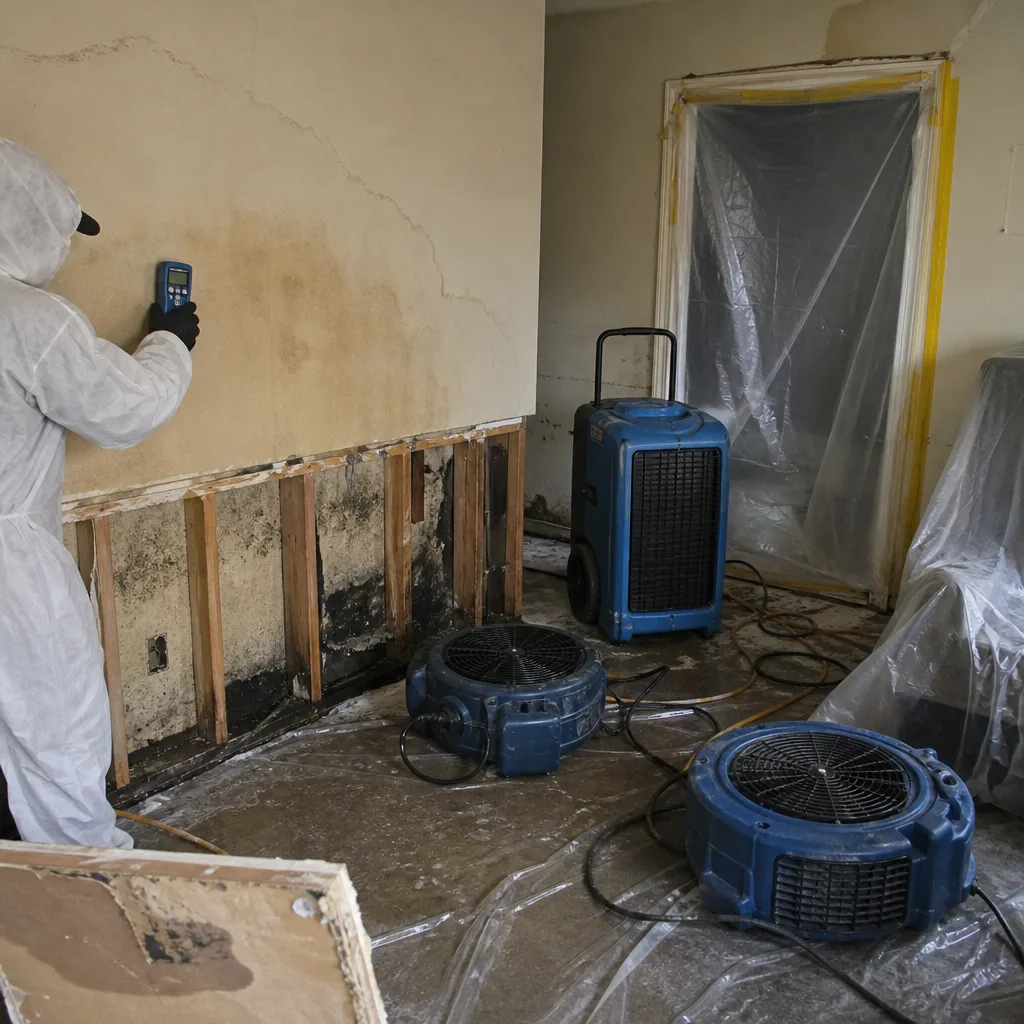
Remediation is the abatement phase. It includes water extraction, structural drying, mold removal, decontamination, odor treatment, and demolition of unsalvageable materials. This work is regulated by health and safety standards, industry standards like the IICRC S500 for water damage and S520 for mold, and in some cases by California’s mold disclosure laws. But it rarely requires a building permit because you’re removing damaged material, not constructing anything.
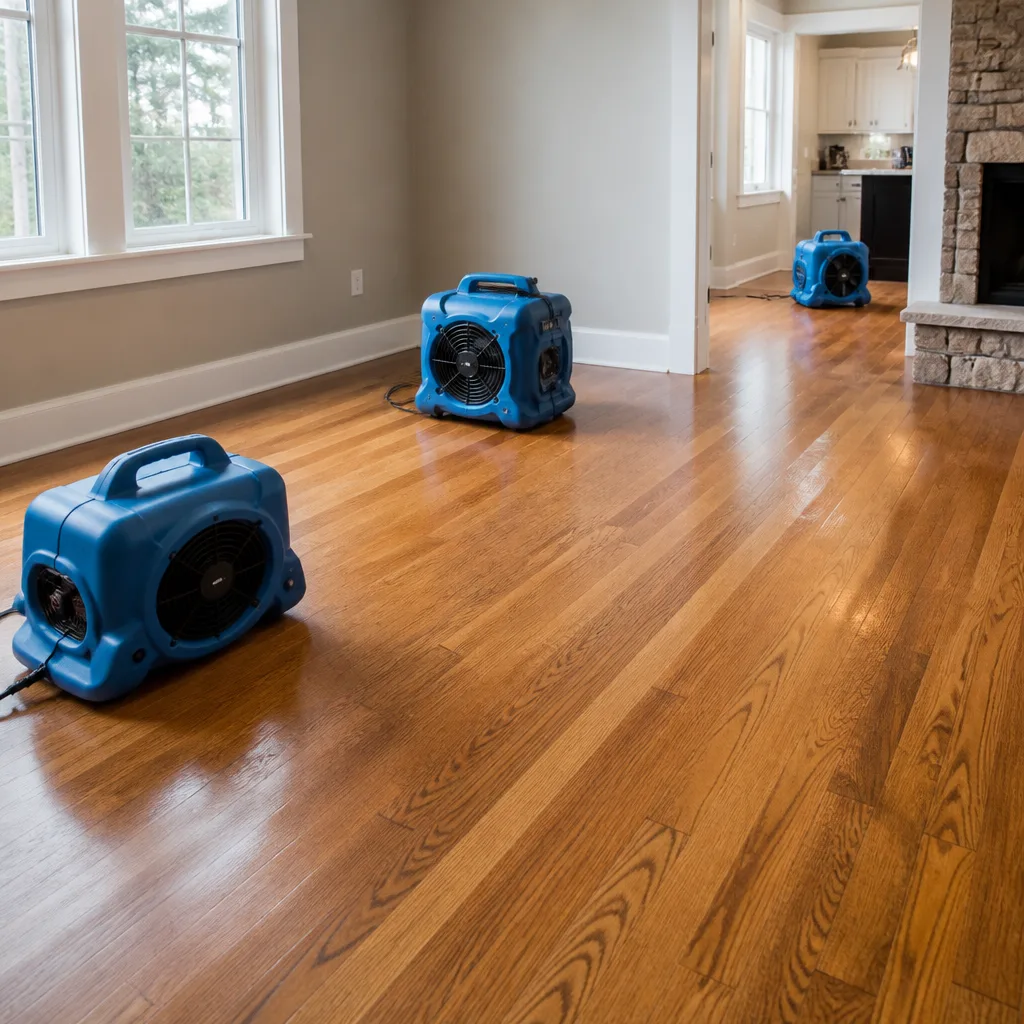
We run professional-grade extraction and drying equipment from Dri-Eaz, Phoenix, and XPOWER on every water job. That equipment pulls water out of framing, drywall, and flooring. The drying process, known in the trade as psychrometrics, involves measuring humidity levels inside materials to determine when they’re dry enough for reconstruction. None of that work requires a permit. It’s abatement.
Reconstruction is the rebuild phase. It includes drywall hanging and finishing, painting, flooring installation, electrical reconnection, plumbing reinstallation, cabinet setting, and trim work. This is the phase where permits come into play because you’re constructing something.
Here’s a practical example from a job we handled in West Covina. A supply line failed in an upstairs bathroom and flooded the kitchen below. The remediation scope included extraction, drying, and removing the wet drywall from the kitchen ceiling and one wall. No permit needed for that. The reconstruction scope included replacing the drywall, rewiring the light fixtures that had to be removed, and reconnecting the plumbing for the sink. That scope required a building permit, an electrical permit, and a plumbing permit. Three permits for one loss.
The takeaway: if a contractor tells you no permit is needed, ask specifically what phase they’re talking about. The remediation phase might be permit-free. The reconstruction almost never is. And if a contractor never mentions permits at all, that’s a red flag about how they run their business.
West Covina’s Local Permit Process: Who Pulls, How Long, What Inspectors Check
West Covina operates its own Building and Safety Division through the city’s Community Development Department. The city’s permit process follows the California Building Code but adds local administrative steps.
Who pulls the permit? Under California law, the contractor performing the work must obtain the permit. Homeowners should never be asked to pull a permit for work they’ve hired a licensed contractor to perform. If a contractor asks you to pull the permit, it’s often because they’re not licensed, or they’re trying to avoid responsibility for the work meeting code. In West Covina, the permitting process will ask for the contractor’s state license number, and the work is attached to that license. That’s the accountability mechanism.
Typical timelines: For straightforward restoration scopes like a drywall replacement and minor electrical, the permit can often be issued over the counter at City Hall or through the city’s online portal within a few business days. Larger scopes, like whole-room rebuilds or structural repairs, may require plan review, which can add one to three weeks depending on the city’s workload. Emergency repairs needed to prevent further damage, like temporary shoring or securing a damaged roof, can proceed before the permit is issued under California’s emergency work provisions, but the permit application must be filed promptly afterward.
Inspection checkpoints: Once the permit is issued, the city will schedule inspections at specific stages. For a typical water damage rebuild, the checkpoints are:
- Rough inspection: After framing, plumbing, electrical, and mechanical work are installed but before insulation and drywall cover them. The inspector checks that the work matches the approved scope and meets code.
- Insulation inspection: Where required, after insulation is installed and before drywall goes up.
- Final inspection: After all work is complete. The inspector verifies the finished work matches the approved scope, checks for proper operation of systems, and confirms the site is safe for occupancy.
Each inspection has a fee that’s included in the permit cost. If the work fails an inspection, the contractor must correct it and schedule a re-inspection, which has an additional fee. At Keegan Restoration West Covina, we coordinate directly with the city’s inspectors on every permitted job. We walk the inspection with them, answer questions, and correct any issues on the spot when possible. The inspection process is not something we pass off to the homeowner to manage.
How Unpermitted Work Affects Homeowner’s Insurance on Future Claims
Here’s the part most homeowners don’t hear until it’s too late: unpermitted restoration work doesn’t just create a legal problem. It creates an insurance problem that compounds over time.
California is a state where insurers look hard for reasons to limit or deny coverage. When you file a future claim, whether it’s a new water loss, a fire, or something else, the adjuster will review the home’s permit history. If they find unpermitted work from a prior restoration, here’s what can happen:
- The insurer may exclude the unpermitted portion of the home from coverage. If the unpermitted work was on the second floor and the future loss is on the second floor, the adjuster can argue the home’s condition wasn’t as represented in the policy.
- The insurer may reduce the payout on a covered claim. If the unpermitted work affected the electrical system and the new loss is electrical, the adjuster can argue the prior condition contributed to the loss.
- The insurer may deny the claim entirely. In cases where the unpermitted work is extensive or directly related to the cause of loss, denial is on the table. Insurers in California are aggressive about this.
- The insurer may non-renew your policy. Upon learning of unpermitted work during a claim, some insurers will decline to renew the policy at the end of the term. That puts you in the non-standard market, which costs significantly more.
The documentation angle matters here, too. If the restoration was done by a licensed contractor in West Covina with a permit, that work is part of the public record. It’s defensible. If the work was done without a permit, there’s no record, no inspections, and no third-party verification that the work was done correctly. The adjuster sees that and makes decisions accordingly. Homeowners who think they saved money by skipping the permit often find out the savings disappeared the first time they file a claim and the unpermitted work becomes an issue.
If you’re dealing with restoration work and you’re not sure whether a permit applies to your scope, the fastest way to find out is to have a qualified contractor assess the job. Water damage restoration in West Covina involves both remediation and reconstruction phases, and a contractor who knows the local code will tell you exactly where the permit line falls on your specific job.
What “Documented to Support Your Insurance Claim” Actually Means
Insurance adjusters work from documentation. They weren’t standing in your kitchen when the pipe burst, so they rely on what the contractor records. The quality of that documentation directly affects how much money the insurer approves on your claim. “Documented to support your insurance claim” is not a slogan. It’s a specific set of records that either exists or doesn’t.
Here’s what a properly documented restoration job includes, and what each piece does for your claim:
- Pre-existing condition photos: Before any work starts, a complete photo record of the affected area. This establishes what was damaged by the loss versus what was already there. It protects you from the insurer claiming pre-existing damage during the adjustment.
- Moisture mapping: Readings from moisture meters documenting which materials are wet and how wet they are. This supports the scope of extraction and drying, and it justifies the need for professional equipment rather than a box fan and a mop.
- Drying logs: Daily readings that show the structure drying over time. This proves the drying process worked and the space was returned to a dry state before reconstruction began. Adjusters look for gaps in drying logs when they want to dispute a scope.
- Demolition records: A written log of what was removed, how much, and when. This supports the reconstruction scope and prevents disputes about whether the drywall really had to come out.
- Equipment inventory: A record of the equipment used, including brand and model. Professional-grade equipment from Dri-Eaz, Phoenix, and B-Air is standard on our jobs because it’s what the IICRC standards call for, and because adjusters recognize the equipment when they see the invoice.
- Scope of loss: A written description of the damage and the recommended repairs. This is the document the adjuster will compare against the insurer’s own scope. If the contractor’s scope is thorough and specific, it’s harder for the insurer to cut.
- Permit records: If the job required a permit, the permit number, inspection dates, and results are part of the documentation. This confirms the work was done legally and inspected by the city.
- Final photos: A complete record of the finished work. This supports your claim that the restoration returned the home to its pre-loss condition.
Every job we run at Keegan Restoration West Covina includes this documentation trail as part of The Garrison Standard. It’s not an add-on or an upgrade. We document the job from the first assessment to the final walkthrough, and we format the records to work with your adjuster’s process. If the insurer disputes the scope, the documentation is there to support the claim.
Inspection Checkpoints: What Gets Looked At and When
City inspections are not a formality. They’re the mechanism that protects you from buying a home with bad work hidden behind drywall. Here’s what West Covina inspectors check at each stage of a restoration rebuild, and what it means for you as the homeowner.
Rough inspection: This is the most consequential inspection on a restoration job. The inspector looks at the work before it gets covered up. For a water damage rebuild, they’re checking that the framing is sound, that the electrical work is done to code, that the plumbing connections are proper, and that any structural repairs match the approved scope. If there’s a problem, it gets fixed now, while everything is still open and accessible. If a contractor skips this inspection and covers the work anyway, the problems get hidden, and they surface later as failures, safety issues, or red flags during a future home inspection.
Final inspection: The last checkpoint before the permit is closed out. The inspector verifies that all the work on the permit is complete, that the systems work, and that the site is safe. They also check that no additional work was done beyond the scope without a permit. If the contractor did extra work that wasn’t on the permit, the final inspection will catch it, and that work will need a separate permit or an amendment to the original one.
For homeowners, the inspection checkpoints are the proof that the work was done correctly. The permit record and inspection results become part of your home’s public record. When you sell, a buyer’s inspector will look at that record. When you file a future insurance claim, the adjuster will too. Inspections are the receipts.
One thing worth saying plainly: a contractor who resists pulling a permit is usually resisting the inspection. They don’t want the city looking at their work. In our experience, that’s the contractor to avoid. We welcome inspections at Keegan Restoration West Covina. Our crews work to a written standard, and the inspection verifies the work we said we did.
What Happens If You Skip the Permit: Code Violations, Sales, and Disclosure
The consequences of unpermitted restoration work in California fall into three categories: code enforcement, resale, and disclosure liability. Each one is serious, and they tend to compound.
Code enforcement: If the City of West Covina discovers unpermitted work, the Building and Safety Division can issue a notice of violation. The homeowner is responsible for correcting the violation, which typically means pulling the permit after the fact, paying penalties that can double or triple the original permit fee, and opening up the work so the inspector can see what was done. If the work doesn’t meet code, the homeowner pays to fix it. The contractor who did the unpermitted work is often long gone by then.
Resale problems: When you sell a home in California, the buyer’s inspection will flag unpermitted work if it’s visible or detectable. The buyer can then demand the work be permitted and inspected before closing, ask for a price reduction, or walk away entirely. In a strong market, buyers have walked away from houses over unpermitted work because they don’t want to inherit the liability. The $4,000 repair that saved $300 in permit fees becomes a $700,000 sale that doesn’t close.
Disclosure liability: California requires sellers to disclose known material facts about the property, including unpermitted work. If you sell without disclosing unpermitted restoration work and the buyer discovers it later, the buyer can sue for failure to disclose, fraud, or negligent misrepresentation. This isn’t theoretical. It happens regularly in California real estate litigation, and the damages can exceed the cost of the original restoration several times over.
For a homeowner in West Covina, the math is simple. A permit for a typical drywall and electrical restoration scope costs a few hundred dollars. The downside of skipping it starts at a few thousand in penalties and goes up from there. The permit is the cheapest insurance you’ll ever buy on the work itself.
If you’re facing fire damage, the stakes are even higher. Fire damage restoration in West Covina almost always involves structural repairs, electrical work, and HVAC replacement. Skipping permits on a fire job is asking for a code violation, an insurance dispute, and a resale problem all at once.
Common Mistakes to Avoid
- Letting the contractor talk you out of the permit. Any contractor who says “we don’t need a permit for this” without being able to cite the specific code exception is either misinformed or deliberately cutting corners. Ask them to point to the exact CBC section that exempts your scope. If they can’t, insist on the permit.
- Assuming remediation and reconstruction have the same rules. They don’t. Extraction, drying, and mold removal are abatement. Drywall, electrical, and plumbing are construction. The permit line is between those two phases, and confusing them is the most common mistake we see in West Covina.
- Pulling the permit yourself for a contractor. In California, the contractor who does the work must pull the permit. If you pull it yourself, you become legally responsible for the work meeting code, and the contractor has no accountability to the city. It’s a red flag for an unlicensed or uninsured operator.
- Skipping the permit on the emergency, then never following up. California allows emergency work to proceed before the permit is issued, but the permit application must be filed afterward. If the contractor never files it, the work is unpermitted, and all the consequences above apply. Confirm the permit was actually pulled, not just promised.
- Thinking your insurance adjuster doesn’t care about permits. Adjusters review permit history on claims. Unpermitted work from a prior restoration gives the insurer leverage to reduce a payout, exclude coverage, or deny a claim. The adjuster cares a lot.
- Not keeping the permit and inspection records. Keep copies of the permit, the inspection results, and the final approval. These documents protect you when you sell the home and when you file future insurance claims. Store them with the home’s important papers.
- Hiring a contractor who can’t document the job. If the contractor can’t produce photos, moisture readings, drying logs, and a written scope, they can’t support your insurance claim. Documentation is part of the job, not an add-on. Ask about it before you sign anything.
When to Call a Professional
If your restoration scope involves any structural work, electrical work, plumbing replacement, or HVAC repair, you need a licensed contractor who pulls permits. If your insurance company is involved, you need a contractor who documents everything to support the claim. If you’re in West Covina and you’re not sure where the permit line falls on your specific job, a conversation with a qualified contractor costs nothing and will tell you exactly what you’re facing. At Keegan Restoration West Covina, we put the scope and the price in writing before any work starts, and we handle the permit process from application to final inspection. Call (559) 249-4798 for a free estimate, or send us the details of your loss and we’ll walk you through the permit requirements on the phone. Mold jobs are no different. Mold remediation in West Covina carries its own disclosure requirements in California, and we can explain how those intersect with your restoration scope.
Frequently Asked Questions
You need a permit for the reconstruction phase of water damage restoration, including structural drywall replacement, electrical repairs, plumbing replacement, and HVAC work. You do not need a permit for the remediation phase, including water extraction, drying, and demolition of unsalvageable materials. In West Covina, the contractor doing the work must pull the permit. Not sure which path fits your situation? Read our DIY vs Professional Damage Restoration: The West Covina Homeowner’s Decision Guide.
Permit fees in West Covina vary based on the scope and valuation of the work. A typical drywall and electrical restoration permit runs a few hundred dollars, and larger scopes with structural work cost more. The permit fee is always cheaper than the penalties for unpermitted work, which can double or triple the original cost plus correction expenses. Call us at (559) 249-4798 and we can give you a realistic range for your specific job.
In California, the contractor performing the work is responsible for pulling the permit. The permit is attached to the contractor’s license, and the contractor is accountable to the city for the work meeting code. If a contractor asks you to pull the permit yourself, that’s a warning sign about their licensing or insurance status.
Most homeowners insurance policies in California include permit and inspection fees as part of the covered restoration cost when the work is part of a covered loss. The permit fees are typically included in the reconstruction estimate that gets submitted to your adjuster. Proper documentation of the permit costs supports your claim.
If you sell a home in California with unpermitted restoration work and don’t disclose it, you face legal exposure for failure to disclose, fraud, or negligent misrepresentation. If you do disclose it, the buyer can demand the work be permitted retroactively, ask for a price reduction, or walk away. Either way, the $4,000 repair can become a problem that threatens the sale.
Mold remediation itself typically does not require a building permit because it’s abatement work, not construction. However, if the mold remediation involves removing and replacing building materials like drywall or insulation, the replacement work may require a permit. California also has mold disclosure requirements in real estate transactions that are separate from the permit process. Call us at (559) 249-4798 and we’ll tell you where the permit line falls on your job.
The Bottom Line
California’s permit requirements for restoration work come down to one distinction: remediation versus reconstruction. Extraction, drying, and mold removal are abatement and rarely need a permit. Drywall, electrical, plumbing, and HVAC work are construction and usually do. In West Covina, the contractor pulls the permit, the city inspects the work at specific checkpoints, and the permit record protects you on future insurance claims and when you sell. Skipping a permit to save a few hundred dollars creates a liability that can cost thousands in penalties, threaten a future claim, or kill a home sale. The documentation trail matters just as much as the permit itself, because it’s what your adjuster reviews when the claim is disputed. If you’re facing damage in West Covina, start with a contractor who puts the scope in writing, pulls the required permits, and documents everything. That’s how you protect the value of your home. For more guides & resources, visit our blog.ow the job gets done correctly, legally, and defensibly.
Written by Shane Pruitt, Owner at Keegan Restoration West Covina, serving West Covina since 2005.
See the difference
 Before
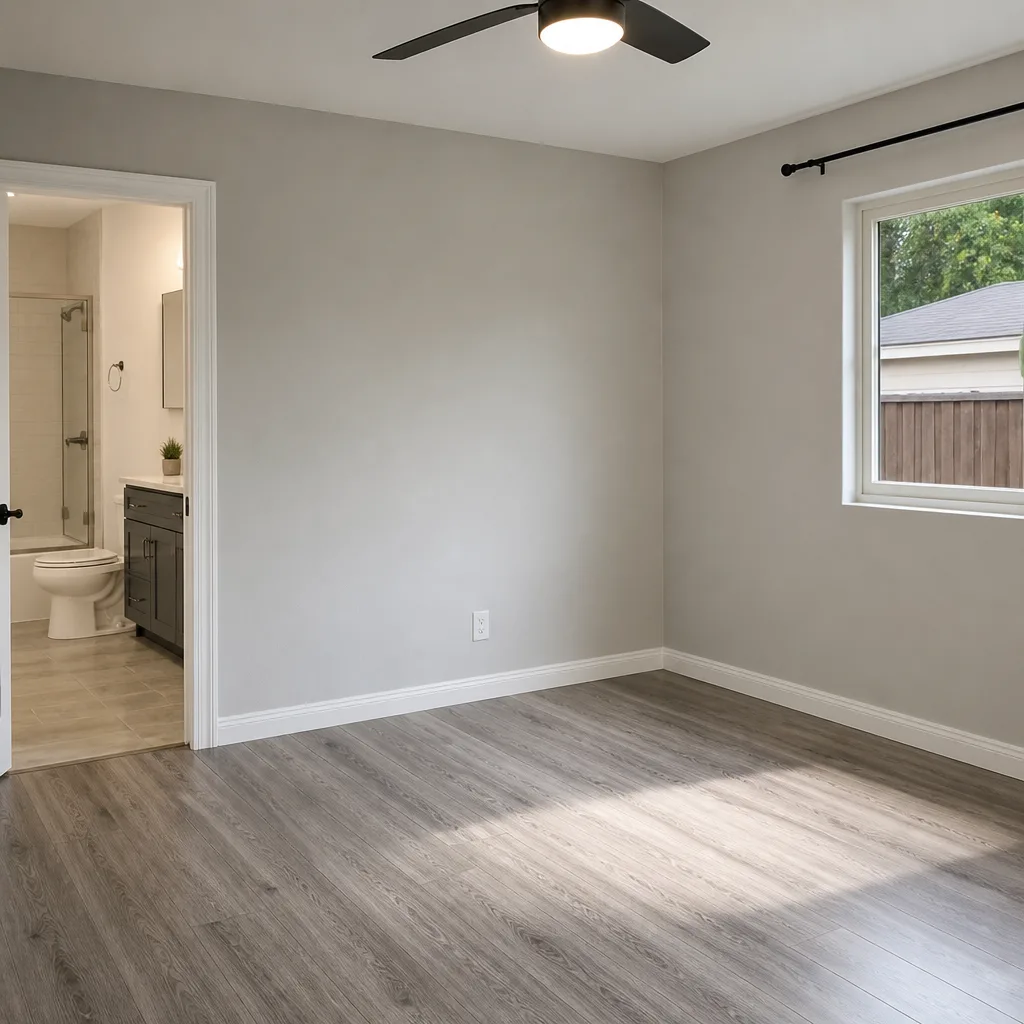 After
After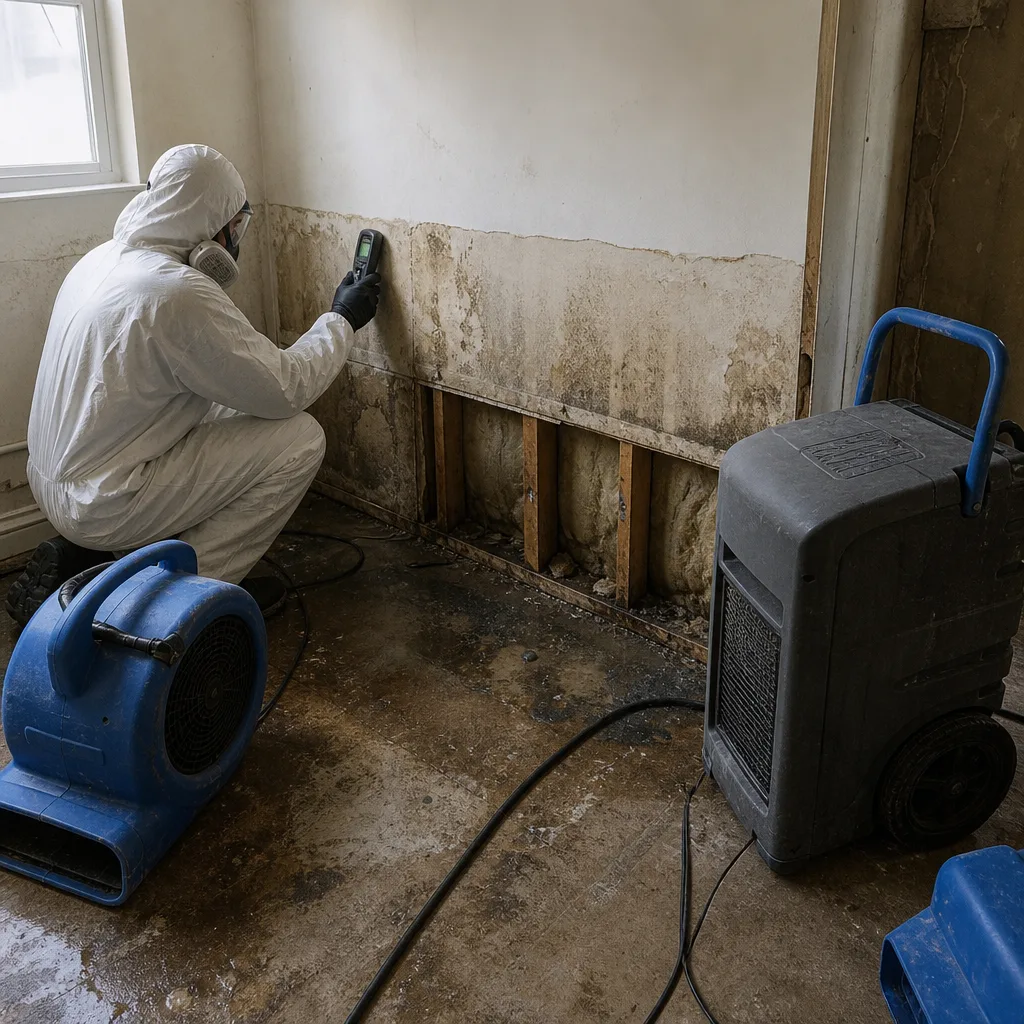 Before
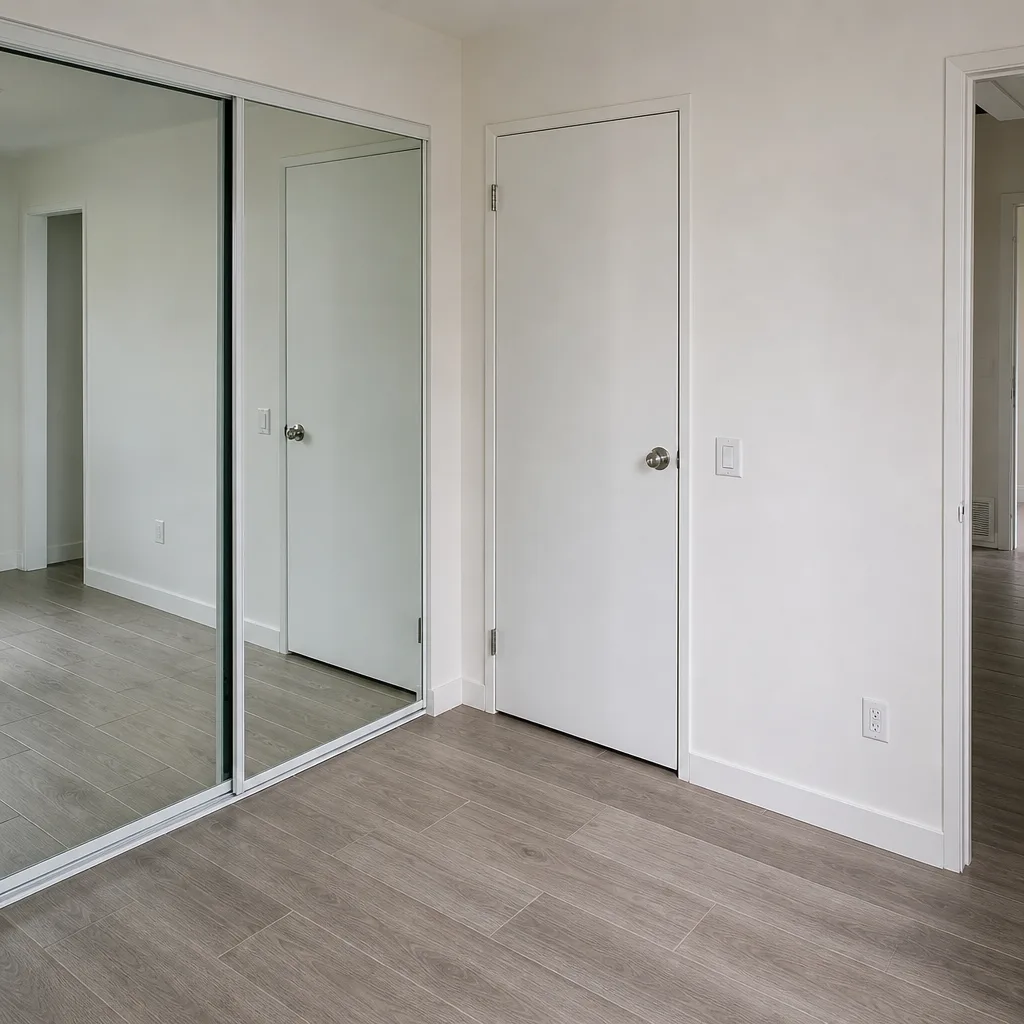 After
After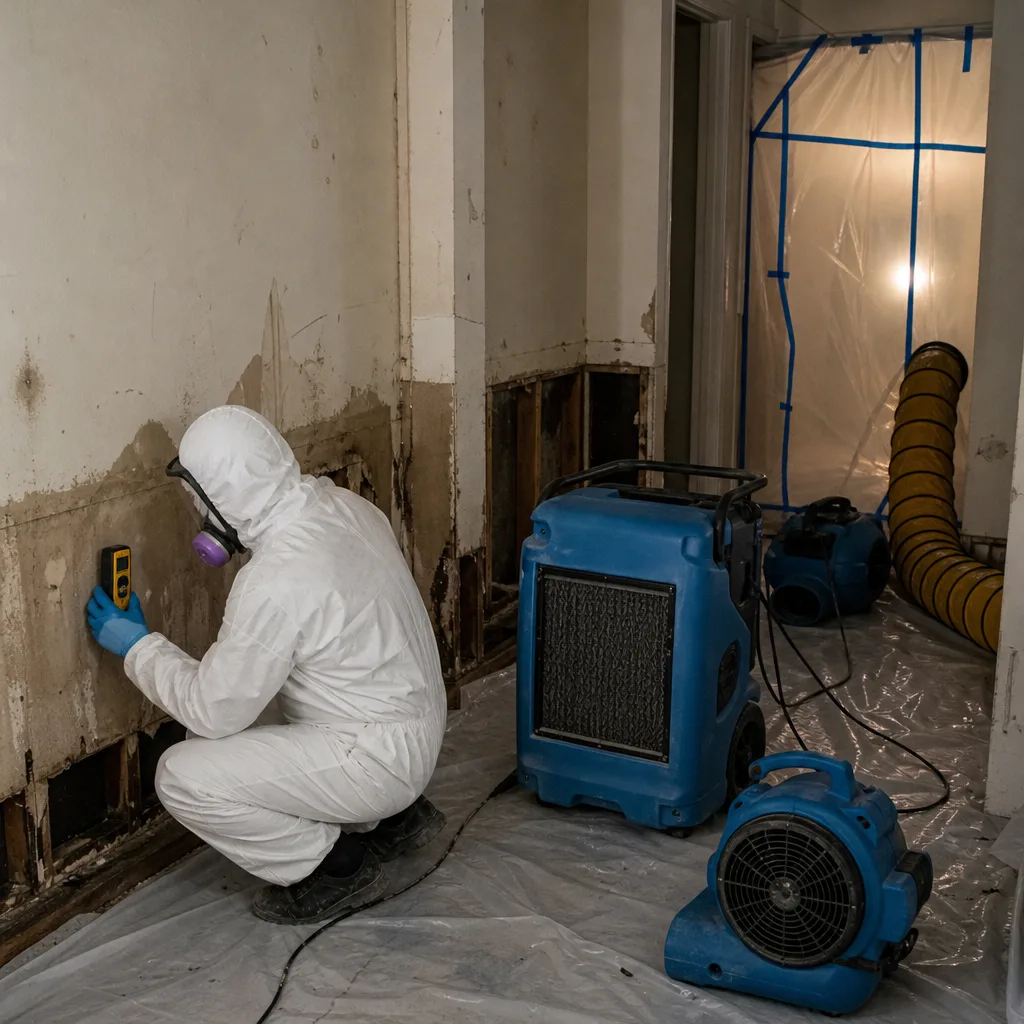 Before
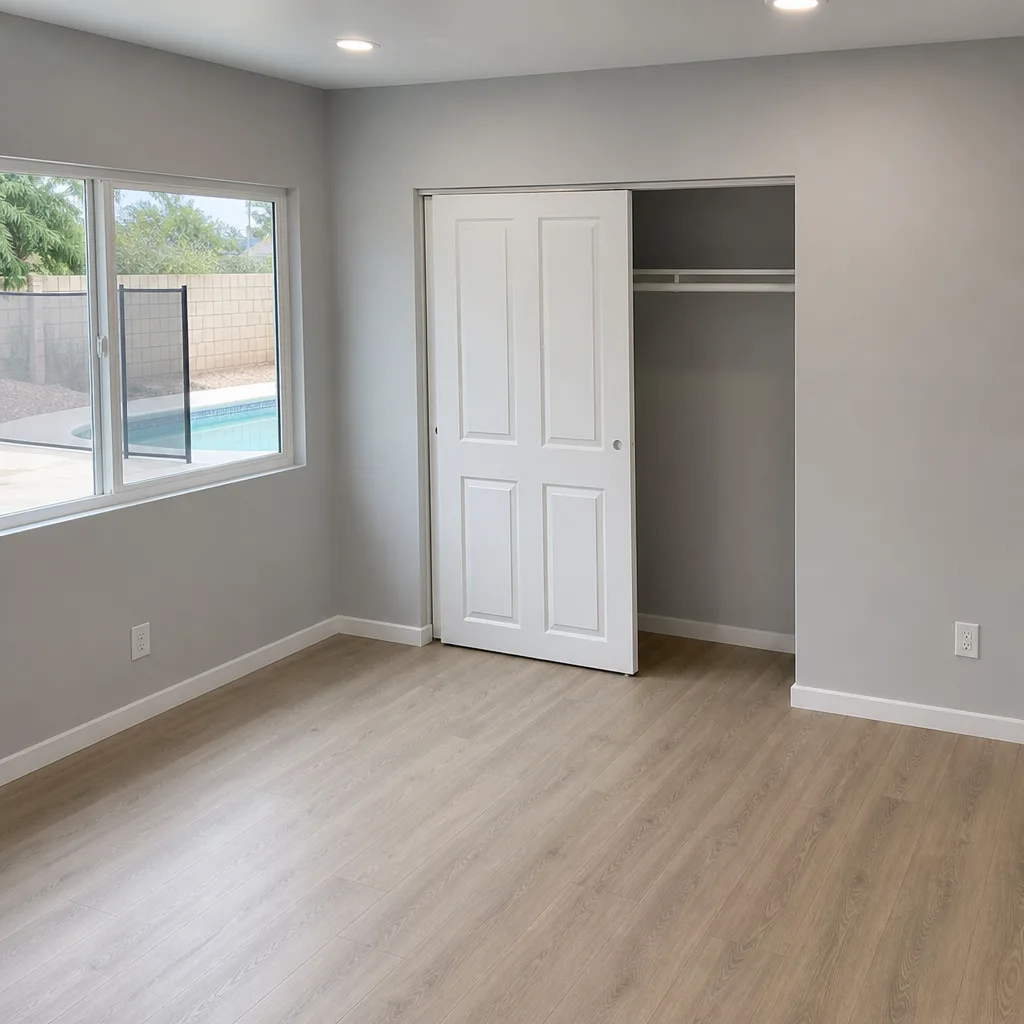 After
After