
Last updated October 16, 2026
 Water damage drying
 Fire & smoke cleanup
 Mold remediation
 Storm response
 Sewage cleanup
 Reconstruction
Free visual inspection and a written scope of work before any mitigation begins - photos, moisture readings, and drying logs go in your claim file
The scope we write is the scope we bill. Anything new gets shown to you, in writing, before we touch it.
Get your free estimateSeasonal Damage Restoration Care for West Covina: Year-Round Homeowner’s Guide
West Covina averages fewer than 20 inches of rain per year, but the San Gabriel Valley’s atmospheric river events can dump 3 to 5 inches in 24 hours. A home that sat bone-dry for eight months is often the least prepared to handle that surge. This guide maps West Covina’s actual damage calendar: two high-risk windows separated by two maintenance windows. For a deeper dive, see The Complete Guide to Damage Restoration in West Covina. By the end, you’ll know what to check each season, what to photograph for insurance, and when a written scope from a restoration contractor is the difference between a small repair and a gut job.
Restoration work we handle
Quick Answer
Seasonal damage prevention in West Covina means planning around two high-risk windows: Santa Ana wind season from August through October (fire, ember, and smoke intrusion) and atmospheric river season from November through February (rain intrusion and flooding). Between those windows, March and April are the post-storm mold window, and May through July is the inspection and repair season. Homeowners who follow this actual calendar, rather than a generic spring/fall checklist, catch most damage before it becomes structural.
Table of Contents
- The West Covina Damage Calendar: Two Risk Windows, Two Maintenance Windows
- Santa Ana Wind Season: August Through October
- Atmospheric River Season: November Through February
- The Post-Storm Mold Window: March and April
- Inspection and Maintenance Season: May Through July
- How to Document Damage for Insurance Before Calling a Contractor
- How a One-Year Written Guarantee Interacts with Seasonal Follow-On Damage
- Common Mistakes to Avoid
- When to Call a Professional
- Frequently Asked Questions
- The Bottom Line
The West Covina Damage Calendar: Two Risk Windows, Two Maintenance Windows
Most homeowner guides are written for places with four distinct seasons. West Covina does not have four seasons. It has a fire season, a rain season, and two stretches of time when the smart money is on maintenance. If you plan around the actual calendar, you catch problems while they are cheap to fix. If you follow a generic spring checklist, you are usually three months late.
Here is the calendar as we see it from the Keegan Restoration West Covina home office, based on the calls we take and the homes we assess:
- August through October: Santa Ana wind season. Hot, dry air moves in from the desert. Winds regularly hit 40 to 60 mph. This is when embers travel, attic vents become entry points, and smoke from distant wildfires settles inside homes that never see an open flame.
- November through February: Atmospheric river season. The Pacific delivers concentrated bands of moisture. When 3 to 5 inches of rain falls in 24 hours on soil that has been dry since spring, water pools where it should not, and it finds every unsealed penetration in a roofline or foundation.
- March through April: Post-storm mold window. The rain has stopped. Temperatures climb back into the 70s and 80s. Any moisture trapped in wall cavities, under flooring, or inside attic insulation now has the warmth it needs. Mold colonies that start in March are often not discovered until June.
- May through July: Inspection and maintenance season. This is the window to fix what winter exposed and to prepare for the Santa Ana season that starts in August. Roof repairs, stucco patching, downspout extensions, vent screens, and sump pump testing all belong here.
One thing to understand about West Covina specifically: the soil here has a high clay content. During the dry months, it contracts and pulls away from foundations. During the wet months, it expands. That cycle of movement is why we see more garage-to-living-space water intrusion in West Covina than in neighboring cities with sandier soil. The water does not have to come through the roof. It frequently comes up from the slab and in through the garage door threshold.
Santa Ana Wind Season: August Through October
Santa Ana winds in West Covina are a fire risk first and a smoke risk second. But for homeowners, the most overlooked threat is neither flame nor ember. It is the fine gray ash and smoke that infiltrates a home through attic vent screens, gable vents, and any gap in the roof eave. We have assessed multiple West Covina homes where the homeowner thought they had avoided fire damage, only to discover that smoke had been circulating through the attic for six weeks, leaving odor in the insulation and residue on every surface in the living space below.
What to Check Before Santa Ana Season Arrives
- Inspect attic vent screens. If the mesh is larger than 1/8 inch, embers can pass through. Replace damaged or rusted screens before winds pick up.
- Clear the roof and gutter line. Dead eucalyptus leaves and palm fronds are fuel. If they collect along the gutter or in valleys of the roofline, they ignite before the structure does.
- Walk the perimeter and look for gaps in the stucco. Hairline cracks widen with the heat of August and September. Smoke and ash do not need a big opening. A gap the width of a pencil is enough.
- Test door and window seals. Hold a tissue near the frame on a windy day. If it moves, the seal has failed. Weatherstripping is cheap. Odor removal from smoke is not.
- Document the pre-season condition of the home. Walk the property with your phone and film everything: roofline, vent screens, window seals, doors, and the interior condition of the attic. If a fire event does happen, this footage is your baseline for the insurance claim.
What Fire Damage Looks Like When It Starts in the Attic
Most people think fire damage means visible charring and a burned-out room. When fire damage begins in the attic of a West Covina home, it often starts as a smell. The homeowner notices a campfire-like odor that gets stronger when the AC runs. Then residue appears: a fine, gray-brown film on the attic joists and on the back side of the attic access panel. By the time the residue is on interior walls, the contamination is already deep in the insulation and in the ductwork.
If you smell smoke and cannot locate the source, call a contractor who does Fire Damage Restoration in West Covina rather than a general handyman. Smoke travels through the path of least resistance, and tracing it properly requires thermal imaging and moisture mapping, not just a visual once-over.
Atmospheric River Season: November Through February
Atmospheric rivers are not just heavy rain. They are narrow bands of concentrated moisture that stall over the San Gabriel Valley and release water in volumes the local drainage was not designed to handle. When 4 inches of rain falls in a day on West Covina, the street drains back up and the water has nowhere to go but toward the lowest point on a property. In most homes, that lowest point is the garage slab or a sunken entryway.
The most common winter intrusion point we see in West Covina is not the roof. It is the path from the garage into the living space. Water pools on the garage slab, seeps under the door that connects the garage to the house, and wets the drywall, baseboards, and flooring in the adjoining room. Homeowners often do not notice for days because the damage is hidden behind stored boxes or under a parked car.
Prep Steps for Atmospheric River Season
- Extend your downspouts. In West Covina, any downspout that discharges within 3 feet of the foundation is a liability. Use extensions to carry water at least 6 feet away, and direct the flow toward the street or a drainage swale, not the neighbor’s yard.
- Check the sump pump now. Pour a bucket of water into the sump pit and confirm the pump kicks on automatically. If you have a finished basement or a below-grade living space, consider a battery backup pump. Power failures during atmospheric river storms in West Covina are common, and a pump without power is just a bucket.
- Seal the garage-to-house door. Install a proper threshold and door sweep. If water sits on the garage slab during a storm, that sweep is the only barrier between the water and your living room carpet.
- Clean the gutters in late October. Deciduous trees in West Covina neighborhoods like South Hills and the area around Galster Park drop leaves from late September through November. A gutter full of wet leaves overflows directly onto the soil next to the foundation.
- Walk the roof line after the first heavy rain. Look for wet spots on the ceiling inside the house, especially at wall intersections and around can lights. Stains that appear after one storm are active leaks. Do not wait until the end of the rainy season to address them.
The Written Scope Before Work Starts
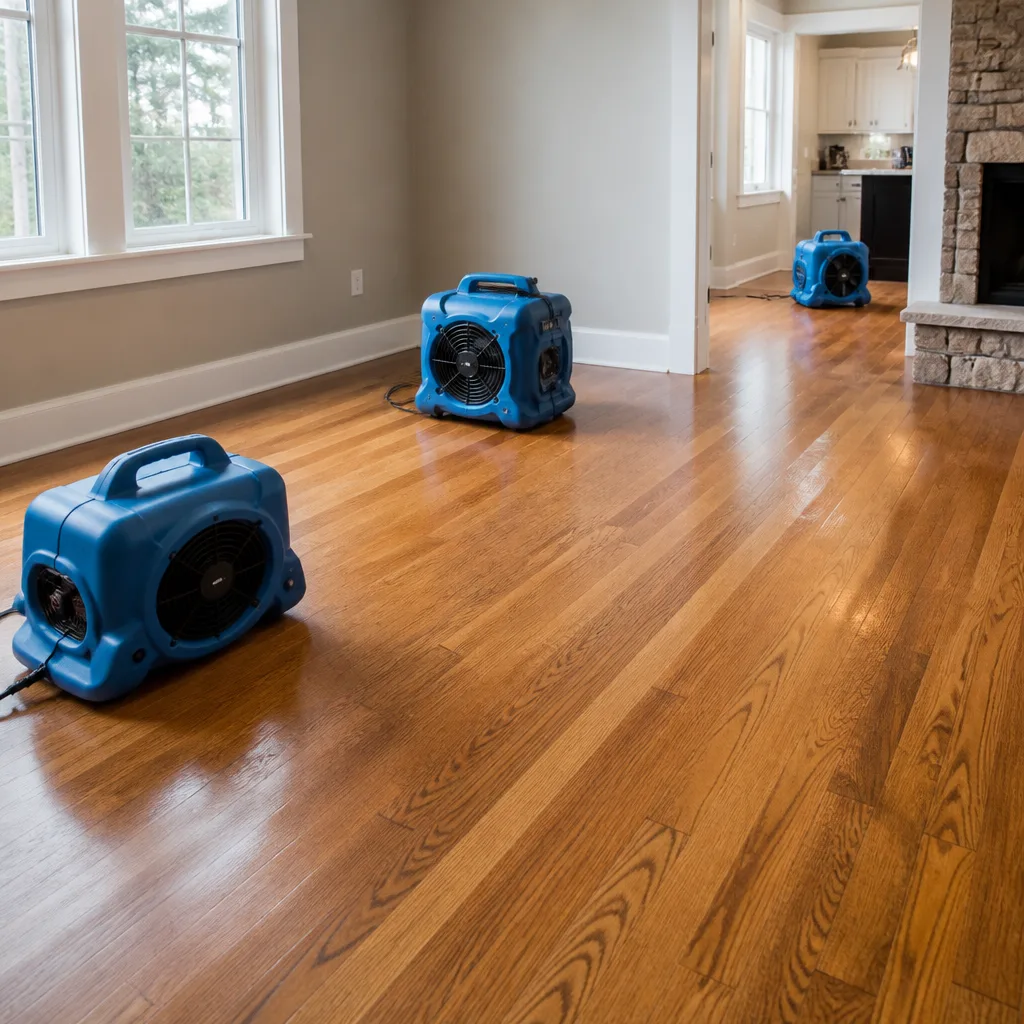
When water does find its way into a West Covina home, the first call is usually to whoever can get there fastest. Speed matters, but speed without a written scope is how homeowners get oversold. Before any work begins on water extraction or drying, the contractor should hand you a written price and a written plan. That is the standard we run every job to, and if a contractor cannot give it to you, the price is not the only thing that will move before the job is done. For water intrusion in West Covina, our crews run professional-grade extraction and drying equipment from Phoenix, XPOWER, and B-Air, and we document every step in a format your adjuster can read directly.
The Post-Storm Mold Window: March and April
Here is the sequence we see every year in West Covina: a home takes on water in December or January. The homeowner mops up the visible puddle, runs a box fan for a day, and moves on. The days are still cool, so nothing smells. Then March arrives. Temperatures climb into the low 80s. And suddenly the hallway smells musty.
That timeline is mold biology. Mold needs moisture, organic material, and warmth. The moisture was there in December. The organic material is the drywall paper, the carpet pad, the wooden baseboards. The only missing piece was warmth. March provides it. By April, what started as a small damp patch behind the baseboard is a colony that requires professional Mold Remediation in West Covina instead of a quick cleaning.
Post-Storm Inspection Protocol You Can Run Yourself
In the first two weeks after the last heavy rain of the season, walk your home and check these specific points using our Water Damage Restoration Maintenance Checklist for West Covina Homeowners. Document everything on your phone, even if it looks minor. Insurance adjusters respond to dates and photographs, not memory.
- Check baseboards in any room adjacent to a garage or exterior wall. Look for swelling, discoloration, or a gap where the baseboard meets the floor. If the baseboard feels soft to the touch, water got behind it.
- Lift the corner of carpet in any room below grade or next to a garage door. Look at the pad. If it is darker than the surrounding area or smells damp, water wicked into it during the storm.
- Open the cabinet doors under every sink. Run your hand along the back wall of the cabinet. Condensation and slow drips from supply lines show up here first, and cabinet interiors are the last place people check.
- Look at the ceiling around can lights and bathroom exhaust fans. Yellow rings or bubbling paint after a rain season are evidence of roof leaks, not just age.
- Open the attic access and smell. A musty odor in the attic in March is a near-certain sign that warm, humid air has been trapped up there since winter. This is the classic pre-mold warning sign we see across West Covina, from the neighborhoods north of the 10 freeway down to the South Hills side.
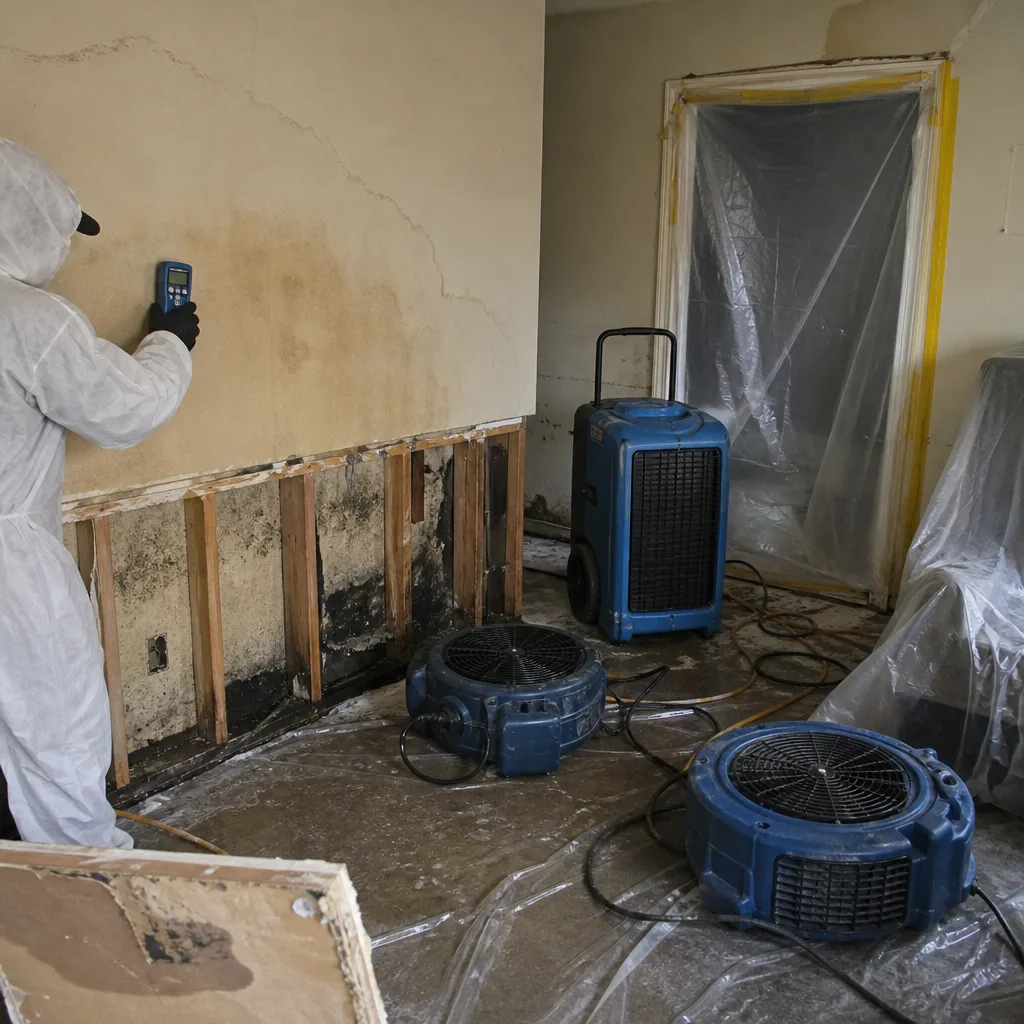
If you find any of these signs, do not open the wall yourself. Cutting into a mold-contaminated cavity without containment spreads spores through the HVAC system and into every room. A proper assessment uses moisture meters and thermal imaging to find the extent of the water damage before any wall is opened at all.
Inspection and Maintenance Season: May Through July
May through July is the window when West Covina homeowners should fix everything the winter exposed and prepare everything the coming Santa Ana season will threaten. This is not a spring cleaning checklist. It is a sequence of targeted repairs that reduce the chance of filing an insurance claim later in the year.
Repair Work That Belongs in This Window
- Fix any roof leak that showed up during the rainy season. Roofers in the San Gabriel Valley are booked solid from November through February. By May, the wait times drop, and the pricing stabilizes.
- Re-caulk exterior penetrations. Hose bibs, electrical conduits, gas lines, and dryer vents all pass through exterior walls. The caulk around those penetrations dries out in the heat and cracks in the cold. May is the time to scrape and re-caulk every one of them.
- Patch stucco cracks. The clay soil around West Covina expands and contracts with the seasons. Small stucco cracks from that movement may look cosmetic in May, but they widen by December and become direct water entry points.
- Test the irrigation system for overspray. Sprinkler heads that spray onto the stucco or against the foundation for 20 minutes a day are a form of chronic water damage. Adjust them so the water stays on the landscape.
- Service the AC condensate line. As the AC starts running hard in June and July, the condensate line produces a slow, continuous drip. If the line is clogged, that water backs up into the air handler or drips into the attic. A slow AC leak in July creates the same mold conditions as a rain intrusion in January.
The Psychrometrics of a Dry House
One term that matters for West Covina homeowners: psychrometrics. It is the science of measuring moisture in air and materials. When we dry a home after water damage, we do not just run fans until the floor feels dry. We use psychrometric readings to confirm that the moisture content of the structure has returned to its dry standard. That matters because drywall, studs, and concrete hold moisture long after the surface feels dry to the touch. If a contractor does not measure, the “dry” home is still wet inside the wall cavity, and you will find out in March when the warmth arrives.
How to Document Damage for Insurance Before Calling a Contractor
Insurance adjusters work from evidence. The better your documentation, the more likely the claim is approved at the amount the repair actually costs. In West Covina, where a winter storm can damage hundreds of homes in a single weekend, adjusters triage claims. A file with clear photos, dates, and a written assessment gets processed faster than one with a voicemail description of a leak.
Here is the documentation protocol we recommend for any homeowner before calling a restoration contractor. It applies to water, fire, and mold events.
- Photograph everything before you move anything. Wide shots show the room context. Close-ups show the damage detail. Use a ruler or a coin in the frame for scale on small damage like cracks or stains.
- Film a walkthrough. Narrate the date, the time, and what you see. Your phone’s video metadata will confirm the date and location, which is stronger evidence than a written note.
- Note the sequence of events. Write down when you first noticed the damage, what the weather was doing, and what you have done since. Adjusters want the timeline.
- Save receipts for anything you bought to prevent further damage. Tarps, fans, dehumidifiers, and emergency plumbing repairs are typically reimbursable. Without receipts, they are not.
- Do not discard damaged materials until the adjuster has seen them. If you must remove wet carpet or cut out wet drywall because it is actively spreading, take photos first and keep a sample. A square foot of the damaged material is enough for lab analysis if the claim is disputed.
When we run a restoration job in West Covina, we document the entire process: the initial readings, the equipment setup, the daily drying logs, and the final moisture readings. That file is formatted specifically to support your insurance claim. You should never have to argue with an adjuster about whether the work was necessary. The documentation answers the question.
How a One-Year Written Guarantee Interacts with Seasonal Follow-On Damage
Most restoration contractors finish the job, hand you a bill, and disappear. If the repair fails six months later, you are starting over with someone new. That is the opposite of how a one-year written guarantee should work, and it is the reason the 365-Day Done Right Promise exists at Keegan Restoration West Covina: if a repair fails within one year, we return and make it right at no charge. Not a discounted re-visit. Not a pro-rated fix. A free return visit.
But a guarantee is not a blanket warranty against everything. Here is how the interaction works with seasonal follow-on damage, so you know exactly what is covered and what is not:
- Covered: The specific repair we completed fails due to workmanship or materials. Example: we sealed a roof transition in May, and it starts leaking again in November. That is on us, and the return visit is free.
- Covered: The drying work we completed did not actually dry the structure to standard, and mold develops in the same area within the year. If our psychrometric readings said the cavity was dry and it was not, we own that.
- Not covered: A different area of the home fails due to a new event. Example: we remediated water damage in the living room, and the bathroom supply line bursts the following spring. That is a new loss, not a failure of our repair.
- Not covered: Damage caused by homeowner neglect after the repair. If we replace drywall and the homeowner then reroutes a sprinkler to spray on it daily, the guarantee does not cover the resulting mold.
For West Covina homeowners, the practical value of a one-year guarantee is this: if you use the May through July window for repairs, the guarantee covers the entire next Santa Ana season and the entire next atmospheric river season. You are not rolling the dice on whether a repair will survive. You have it in writing.
Common Mistakes to Avoid
- Following a generic spring/fall checklist. West Covina’s risk calendar is not spring/fall. It is fire season, rain season, mold window, maintenance window. Plan around the actual weather, not the calendar on a national blog.
- Ignoring the garage-to-house water path. The single most common winter intrusion we see in West Covina is water moving from the garage slab into the living space. A $40 threshold seal prevents what becomes a $4,000 flooring replacement.
- Waiting until after a storm to check the sump pump. Sump pumps fail in two situations: when they are too old and when the power goes out. Test both failure modes in July so you are not standing in water in December.
- Wiping visible mold with bleach and calling it done. Bleach kills surface mold but does not remove the moisture source or address mold inside wall cavities. In West Covina’s spring warmth, that colony rebounds within weeks.
- Relying on memory for insurance documentation. Adjusters respond to dated photos and written timelines. “I think it happened in January” does not hold up against a phone video with a timestamp.
- Hiring a contractor who will not put the price in writing first. If the price can move at the door, it will move. A written scope before work starts is the single most important protection a homeowner has in any restoration job.
When to Call a Professional
Some damage is obvious: water pooling in the living room, visible fire char, mold growing across a wall. But the situations that cost homeowners the most are the ones that look small. A damp patch on the ceiling that appeared after the last rain. A musty smell in the hallway that comes and goes. A smoke odor that lingers weeks after a nearby fire. These are the signs of damage that is spreading behind the surface. If you can see or smell the problem but cannot trace its full extent, that is the moment to call. Keegan Restoration West Covina offers free estimates in West Covina. Call (559) 249-4798 and a live person answers, 24 hours a day. We will assess the damage, put the price in writing, and walk you through the insurance documentation before any work starts.
Frequently Asked Questions
Water damage restoration in West Covina typically ranges from $1,200 to $4,500 for a contained room intrusion, depending on the square footage affected, the materials involved, and how long the water sat before extraction began. Larger losses involving multiple rooms, structural drying, or mold-affected materials run higher. The only way to get an accurate number is a written scope from an on-site assessment. Call (559) 249-4798 for a free estimate in West Covina.
We dispatch from West Covina and a live person answers our phone 24/7, so a crew can typically be on-site the same day for active water intrusion. The key is calling before the water migrates into wall cavities and flooring. Every hour it sits, the drying time and the repair cost both climb.
Most standard homeowners policies in California cover sudden and accidental water intrusion from storms, but not damage from long-term neglect. If the adjuster sees months of water stains or rotted flashing, the claim may be denied as a maintenance issue rather than a covered loss. This is exactly why the May through July maintenance window matters so much in West Covina.
A small mold patch on a bathroom wall is often a cleaning issue. A mold patch behind a baseboard, under a window seat, or inside a wall cavity after a winter leak is a remediation issue. The difference is whether the mold is on the surface or behind it. Surface mold has no moisture source behind it. Cavity mold does, and cleaning the surface will not stop it. A professional assessment with a moisture meter answers this in minutes.
We handle adjuster coordination directly for our clients in West Covina. That means we document every step of the job in the format adjusters expect, we communicate with them about the scope and the drying logs, and we make sure the claim reflects the actual work performed. You should not be the middleman between your contractor and your insurance company.
May through July is the optimal window for repairs and preventative work in West Covina. The rainy season is over, the mold window has passed, and contractors are not yet slammed with winter storm calls. It is the window when scheduling is easiest, pricing is most stable, and the work you complete still carries the full protection of a one-year written guarantee through the next rainy season and the next Santa Ana season.
The Bottom Line
West Covina homeowners do not need to live in fear of the next storm or the next fire season. They need to know the actual calendar the damage follows, and then act on it early. The Santa Ana window demands vent screens, gutter clearing, and perimeter sealing. The atmospheric river window demands downspout extensions, sump checks, and a sealed garage threshold. The spring mold window demands a post-storm inspection you can run yourself. The summer maintenance window demands you fix what winter exposed before the cycle starts again. Do the work in the right season, document everything on your phone, and get every repair in writing with a one-year guarantee. That is the West Covina approach, and it works. For more guides & resources, visit our blog.
Written by Shane Pruitt, Owner at Keegan Restoration West Covina, serving West Covina since 2005.
See the difference
 Before
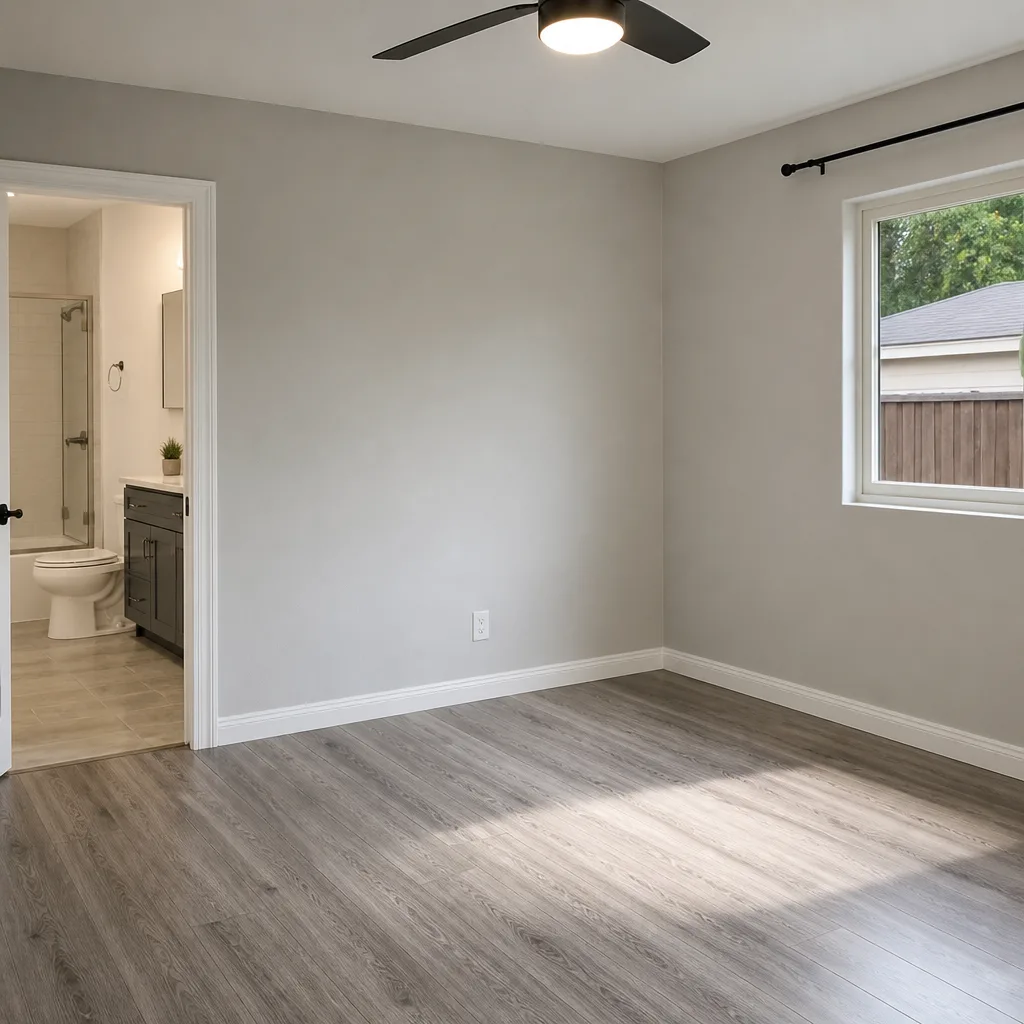 After
After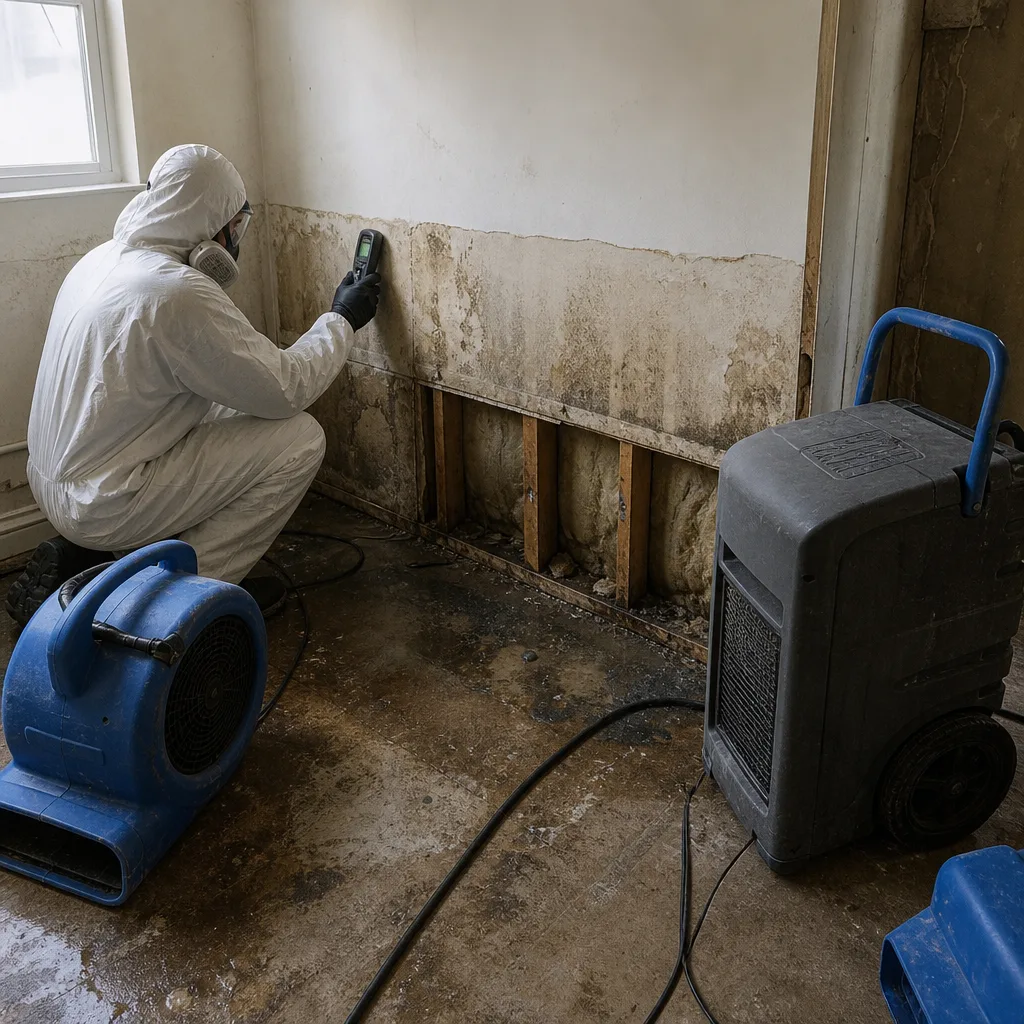 Before
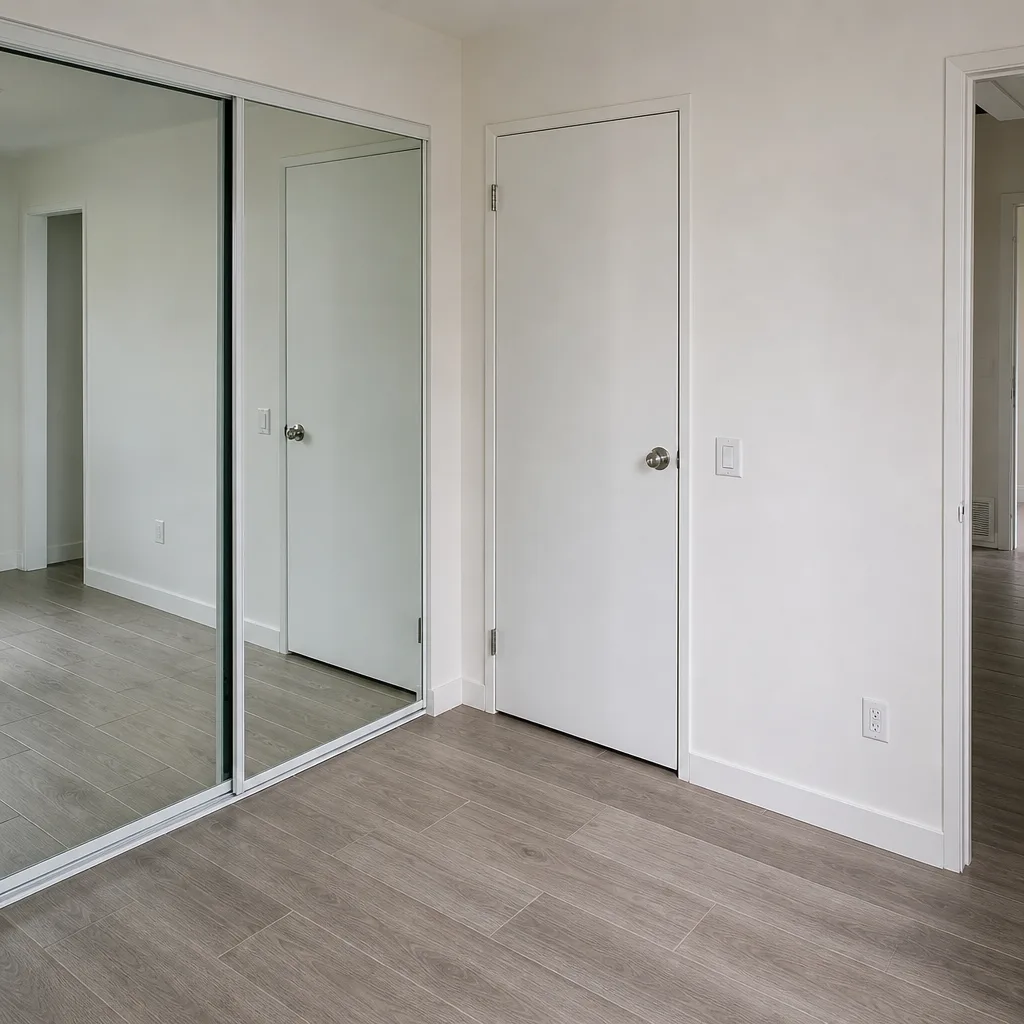 After
After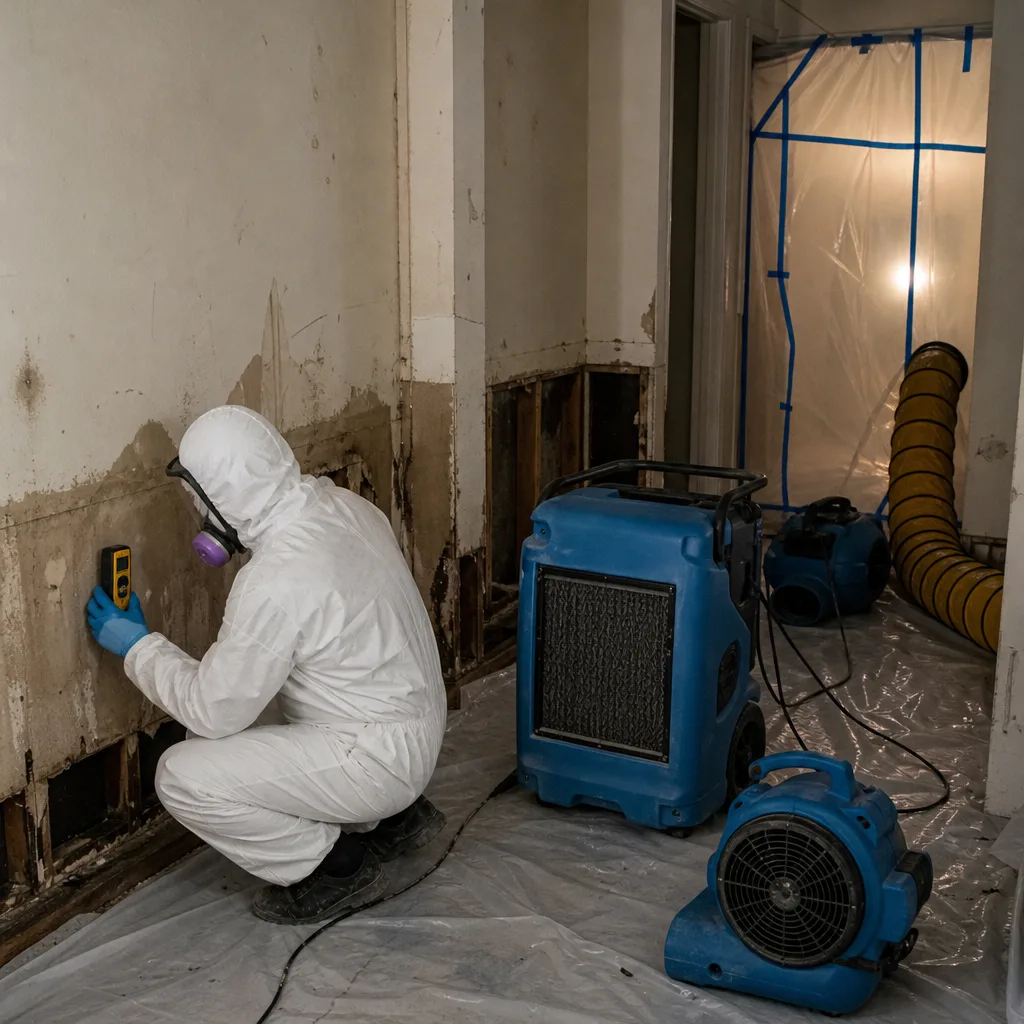 Before
 After
After