
Last updated October 16, 2026
 Water damage drying
 Fire & smoke cleanup
 Mold remediation
 Storm response
 Sewage cleanup
 Reconstruction
Free visual inspection and a written scope of work before any mitigation begins - photos, moisture readings, and drying logs go in your claim file
The scope we write is the scope we bill. Anything new gets shown to you, in writing, before we touch it.
Get your free estimateDamage Restoration Warning Signs: A West Covina Homeowner’s Reference Guide
Here’s the thing about water and fire damage that most West Covina homeowners never hear: the warning signs you already know are late-stage indicators. By the time a musty smell is noticeable in a room, mold colony coverage behind the affected wall is typically already in the square-foot range. That smell isn’t the first warning. It’s the fifth or sixth. This guide trains you to read your house the way a technician reads it, catching problems when they’re still measured in dollars per square foot instead of thousands of dollars per room.
Restoration work we handle
Quick Answer
The earliest water damage warning signs in a West Covina home are not visible stains or standing water. They are unexplained spikes in your water bill, soft or spongy drywall without discoloration, grout and caulk separation in bathrooms and kitchens, and a persistent musty odor near HVAC vents. Fire damage shows up first as smoke odor in your ductwork, white residue on masonry, and ceiling discoloration far from the original burn point. If you catch these signals early, you’re looking at a fraction of the repair cost compared to waiting until the damage declares itself.
Table of Contents
- The Four Early-Stage Signals That Precede Visible Damage
- How Slab Foundation Construction Changes the Rules in West Covina
- Fire Damage Warning Signs Beyond Char Marks
- What You Can Monitor vs. What Requires Professional Equipment
- How to Photograph and Log Warning Signs for Your Insurance Claim
- What These Warning Signs Cost If You Catch Them Early vs. Late
- Common Mistakes to Avoid
- When to Call a Professional
- Frequently Asked Questions
- The Bottom Line
The Four Early-Stage Signals That Precede Visible Damage
Most homeowners in West Covina wait for a brown ceiling stain or a puddle before they act. By that point, the leak has been active for weeks or months. The damage behind the drywall is already measurable in square feet, not square inches. Here are the four signals we look for that show up well before anything visible appears on the surface.
1. Unexplained Water Bill Spikes
Your water bill is the single best early-warning system your house has, and most people never read it past the total. A slab leak under a West Covina home can run for weeks without ever showing up as a wet spot on the floor. But it shows up on the meter. If your usage jumps 15 to 20 percent without a change in habits, that’s not a billing error. That’s a hidden leak. Compare your current bill to the same month last year, not to last month. Seasonal irrigation changes mask slow leaks, so check our Seasonal Damage Restoration Care for West Covina: Year-Round Homeowner’s Guide for timing tips. A toilet flapper running at a trickle can waste 200 gallons a day. A pinhole leak in a supply line behind a wall wastes less but damages more.
2. Soft Spots in Drywall Without Visible Staining
Drywall is gypsum pressed between paper. Water breaks down the gypsum core long before the paper facing shows discoloration. If you press a thumb against drywall and it gives slightly, feels spongy, or doesn’t spring back the way the surrounding wall does, moisture is already inside the cavity. This is the stage where an extraction and drying plan from a Water Damage Restoration in West Covina crew is still relatively simple. Let it go another month and you’re replacing sheetrock, insulation, and possibly studs. In bathrooms, check the drywall directly above the shower head and around the tub spout. In kitchens, check under the sink cabinet floor and the drywall behind the dishwasher connection.
3. Grout and Caulk Separation in Wet Areas
Grout and caulk don’t fail because they get old. They fail because the substrate behind them is moving, and the most common cause of movement in a wet area is moisture expansion. When water gets behind tile, the backer board swells. That swelling pushes the tile outward and cracks the grout lines. Caulk pulls away from the tub or shower base for the same reason. If you see grout cracking in a pattern that follows one wall or one corner, or caulk separating from the surface it was bonded to, water is already getting through. Re-caulking over a moisture problem just seals the water in, which accelerates the damage. You need to find out if there’s active moisture behind the seam before you reseal it.
4. HVAC Condensate Drain Odor
Your air conditioner produces condensation every hour it runs in a West Covina summer. That condensate drains through a PVC line, usually to the outside or into a plumbing drain. When that line clogs with algae, dust, or insect nests, the water backs up into the drain pan. The pan fills, overflows, and soaks whatever is below the unit, usually an attic floor or a closet ceiling. The first sign is often a musty or dirty-sock odor that comes through the vents only when the AC runs. By the time you smell it, the overflow may have already soaked into insulation and drywall. Check the drain pan if you can access it, and look for water staining on the air handler cabinet. If the odor is consistent, you may already have microbial growth in the ductwork or the pan, which puts you into Mold Remediation in West Covina territory, not just an AC service call.
How Slab Foundation Construction Changes the Rules in West Covina
Most homes in West Covina are built on slab foundations. There’s no crawl space. There’s no basement. The plumbing runs through or under the concrete, and when a pipe leaks, the water has nowhere to go except sideways through the soil and up through the slab. This creates a specific failure pattern that confuses homeowners: the wet spot on your floor is rarely directly above the leak.
Water migrating under a slab follows the path of least resistance. It travels along the bottom of the concrete until it finds a crack, a seam, a plumbing penetration, or a low point where the slab is thinner. Then it wicks up and surfaces. In our experience fixing slab leaks across West Covina, the visible wet spot can be 10 feet or more from the actual pipe failure. We’ve seen water surface in a hallway from a leak under the kitchen. We’ve seen tile in a bathroom tent and lift from a leak in the adjacent wall cavity that traveled under the threshold.
Here’s what slab leak warning signs actually look like:
- Warm spots on the floor that don’t match the rest of the room. A hot water line leak heats the concrete above it.
- Flooring lifting or tenting at the seams. Vinyl plank and laminate are the first to show it. Tile cracks shortly after.
- A musty odor that you can’t locate. Slab leaks often produce no visible water for weeks. The smell rises through the flooring.
- Cracks in baseboards or door frames near the floor line. The slab shifts slightly as soil erodes under the leak site.
- Water in the yard with no rainfall. A puddle that doesn’t dry out in the summer sun means an underground supply line is feeding it.
This is the section where we tell you plainly: slab leaks don’t dry themselves out. The water is trapped under concrete. It’s not evaporating. It’s migrating, eroding the soil under your foundation, and wicking up into flooring and walls. This is also one of the situations where professional equipment matters most, because the scope of the water damage is invisible from the surface.
Fire Damage Warning Signs Beyond Char Marks
A house fire is obvious. The smoke damage that spreads through the structure before, during, and after the fire is not. Smoke is a pressurized gas. During a fire, it travels through every gap, crack, and duct chase in the house. It gets pulled into the HVAC system and distributed to rooms that never saw a flame. The visible char tells you where the fire burned. The residue, the odor, and the discoloration tell you where the smoke went, which is almost always a much larger area.
Persistent Smoke Odor in HVAC Vents
If you smell smoke when the furnace or AC runs, weeks or months after a fire, the smoke has settled inside your ductwork. You’re re-heating and re-circulating it through the house every time the system cycles. This isn’t something that airs out. The particulate is bonded to the interior surfaces of the ducts and the evaporator coil. Real remediation requires cleaning or replacing ductwork, depending on the depth of the saturation. This is a standard part of Fire Damage Restoration in West Covina scoping, and it’s one of the items a thorough contractor checks before telling you the house is clean.
White Residue on Masonry and Countertops
Burned synthetics produce a fine white or gray powder that settles on surfaces far from the fire. If you wipe a white film off a fireplace brick, a concrete countertop, or a windowsill and it comes back within days, that’s not dust. That’s combustion particulate that has penetrated the porous surface or is being redistributed by air movement. On masonry, the residue gets driven into the pores by the heat and pressure of the fire. Surface wiping won’t remove it. It requires chemical cleaning and often sealing to prevent the odor and the staining from reactivating with humidity changes.
Ceiling Discoloration Away From the Fire Point
Smoke rises and follows the ceiling plane. It collects at the highest points and in corners where air movement is slow. Discoloration on a ceiling in a room that was never near the fire means the smoke traveled through the wall cavities or the attic and deposited there. In West Covina homes with open floor plans, smoke from a kitchen fire can stain a ceiling in the hallway or the primary bedroom on the other side of the house. This discoloration is not just cosmetic. It marks a smoke pathway through the structure, and any material along that pathway may hold odor and particulate that keeps re-releasing into the living space. A proper scope of loss includes mapping these pathways, not just treating the rooms where you can see residue.
What You Can Monitor vs. What Requires Professional Equipment
There’s a line between being an informed homeowner and being a technician with a thermal imaging camera. Knowing where that line is saves you time and money. Our DIY vs Professional Damage Restoration: The West Covina Homeowner’s Decision Guide explains how it breaks down.
What You Can Reliably Monitor Yourself
- Water bill trends. Compare same-month usage year over year. A 15 percent unexplained jump is worth investigating.
- Surface condition changes. Press-test drywall in wet areas monthly. Check caulk and grout lines visually. Look for new discoloration, bubbling, or peeling paint.
- Odor logs. Note when and where you smell mustiness. Is it seasonal? Does it follow HVAC cycling? Does it get worse after rain?
- Visible rust or condensation. Check water heater fittings, supply valves, and under-sink plumbing for corrosion or sweating. These indicate slow leaks or excessive humidity.
What Requires Professional Equipment to Assess Accurately
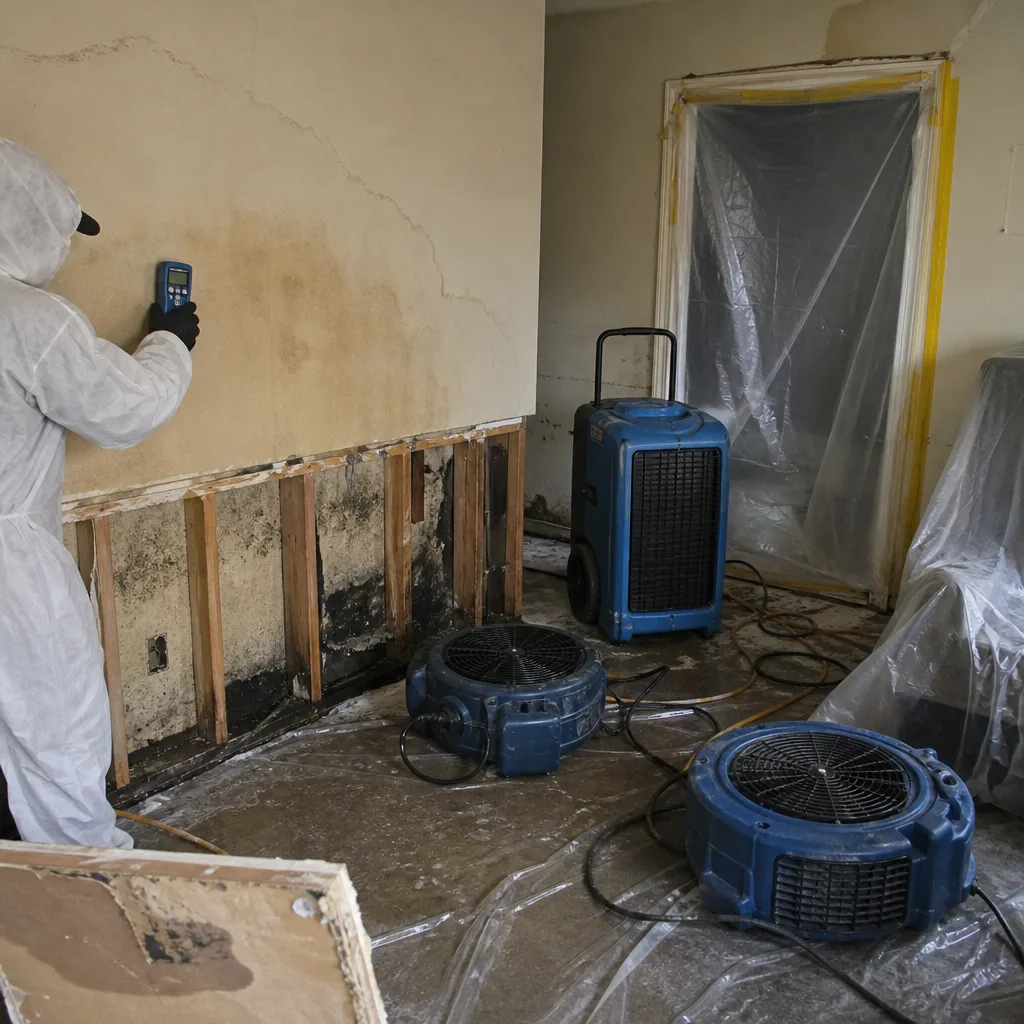
A moisture meter reads the moisture content of building materials and tells us whether a wall cavity is truly wet or just cold. A thermal imaging camera shows temperature differentials behind surfaces, which reveals water that hasn’t wicked to the surface yet. We run meters and cameras from brands like Dri-Eaz and Phoenix because they’re built for restoration work, not home inspection gimmicks. Here’s the practical reality: you cannot tell if a wall cavity is wet by touching it. You cannot see moisture inside a slab by looking at the floor. You cannot determine whether mold is present behind drywall without either a moisture assessment or intrusive testing. If you suspect a problem but can’t confirm it visually, a professional assessment is the next step, not waiting to see if it gets worse. See How to Hire a Damage Restoration Contractor in West Covina: A Step-by-Step Guide for what to look for. Every day of delay on an active leak expands the damaged area and the eventual repair cost.
How to Photograph and Log Warning Signs for Your Insurance Claim
Insurance adjusters make coverage decisions based on documentation. The quality of your documentation directly affects the speed and outcome of your claim. Here’s the method we teach homeowners in West Covina to follow, and it’s the same standard we use when we document a loss on a client’s behalf.
- Timestamp everything. Use your phone’s camera settings to confirm date and time stamps are on. If you’re photographing the same wall over multiple weeks, the timestamp sequence is your evidence that the damage is progressive.
- Include reference measurements. Place a ruler, a tape measure, or a standard object of known size in the frame. A photo of a stain with no scale tells the adjuster nothing about the extent. A photo with a tape measure showing the stain is 14 inches across tells the story in one frame.
- Photograph the same spot from the same angle. When you log a warning sign over time, shoot it from the same position every time. The progression is the evidence.
- Do not clean up before the inspection. Do not bleach the mold. Do not repaint the stain. Do not pull up the flooring. The adjuster needs to see the damage as it is. Cleaning before the inspection removes the very evidence your claim depends on.
- Log the context. Note the date, the weather conditions, the room, and any recent events like a rainstorm, a plumbing repair, or an appliance leak. Context turns a photo into a record.
When we run a water, fire, or mold job under The Garrison Standard, every step is documented and formatted to support your insurance claim. That means the adjuster gets a scope of loss with measurements, photos with timestamps, and drying logs that show the moisture levels coming down day over day. You can do the first part of this work yourself, and doing it well makes everything that follows easier.
What These Warning Signs Cost If You Catch Them Early vs. Late
Here’s the part where we give you real numbers so you arrive at the decision with realistic expectations. These are ranges for restoration work in the West Covina market, not national averages. Your specific situation will vary based on the size of the affected area, the materials involved, and whether you’re dealing with clean water, gray water, or black water.
- Early-stage water mitigation (extraction, drying, dehumidification before drywall is damaged): $500 to $1,500. This is the range for a contained leak caught in the first few days.
- Mid-stage water restoration (wet drywall removal, replacement, painting, flooring repair in one room): $1,500 to $4,000 per affected room.
- Slab leak with lateral migration (leak location, slab access, drying, flooring replacement across multiple rooms): $5,000 to $15,000 or more depending on the flooring material and the extent of the migration.
- Mold remediation (containment, removal, treatment, and clearance testing for a standard bathroom or under-sink area): $1,200 to $5,000. Full-room or multi-room jobs run higher.
- Fire and smoke restoration (odor treatment, surface cleaning, duct cleaning, sealant, and affected drywall replacement): $3,000 to $25,000 depending on the size of the home and the distance the smoke traveled from the fire point.
- HVAC duct cleaning after a fire: $500 to $2,000 as a standalone service, more if ductwork replacement is required.
The distance between the early-stage number and the late-stage number is the cost of waiting. A water bill spike investigated in the first month often ends up as a small extraction and drying job under $1,000. The same leak ignored for three months becomes a slab excavation or a full bathroom rebuild. That’s not an exaggeration. It’s the difference between what a moisture meter finds on day seven and what a sledgehammer finds on day ninety.
And one more thing about pricing, because this matters to you: at Keegan Restoration West Covina, the price is put in writing before any work starts. The number doesn’t move at the door. That’s The Garrison Standard, and it applies to every job we run, from a single-room dry-out to a full fire restoration. The Keegan Restoration West Covina home team works the same way on every project, because a written price is the foundation of a job that doesn’t turn into a negotiation halfway through.
Common Mistakes to Avoid
- Waiting for the visible stain. By the time water shows on the surface of drywall, the cavity behind it has been wet for weeks. The repair is already in the replacement range, not the drying range.
- Re-caulking over separated caulk without checking for moisture. If water is behind the seam, sealing it in accelerates mold growth and rot. Check the substrate first, or have it checked.
- Ignoring a water bill spike because the total still “seems reasonable.” A slow leak under a West Covina slab that adds $40 a month to your bill is also adding thousands of dollars in eventual repair costs. The bill is the cheap part.
- Cleaning mold with bleach before documenting it. Bleach changes the surface appearance and kills the visible growth but not the roots in porous materials. It also destroys the visual evidence your adjuster would otherwise see. Document first. Then call.
- Assuming smoke odor will “air out” after a fire. Smoke particulate bonds to surfaces. Air exchange moves the odor around but doesn’t remove the source. Ozone treatments and cleaning without proper scoping often make the problem worse by driving the particulate deeper.
- Treating a musty HVAC odor as a filter change issue. A dirty filter doesn’t smell like a dirty sock. That odor is condensate overflow or microbial growth, and it’s not going to resolve with a $10 filter swap.
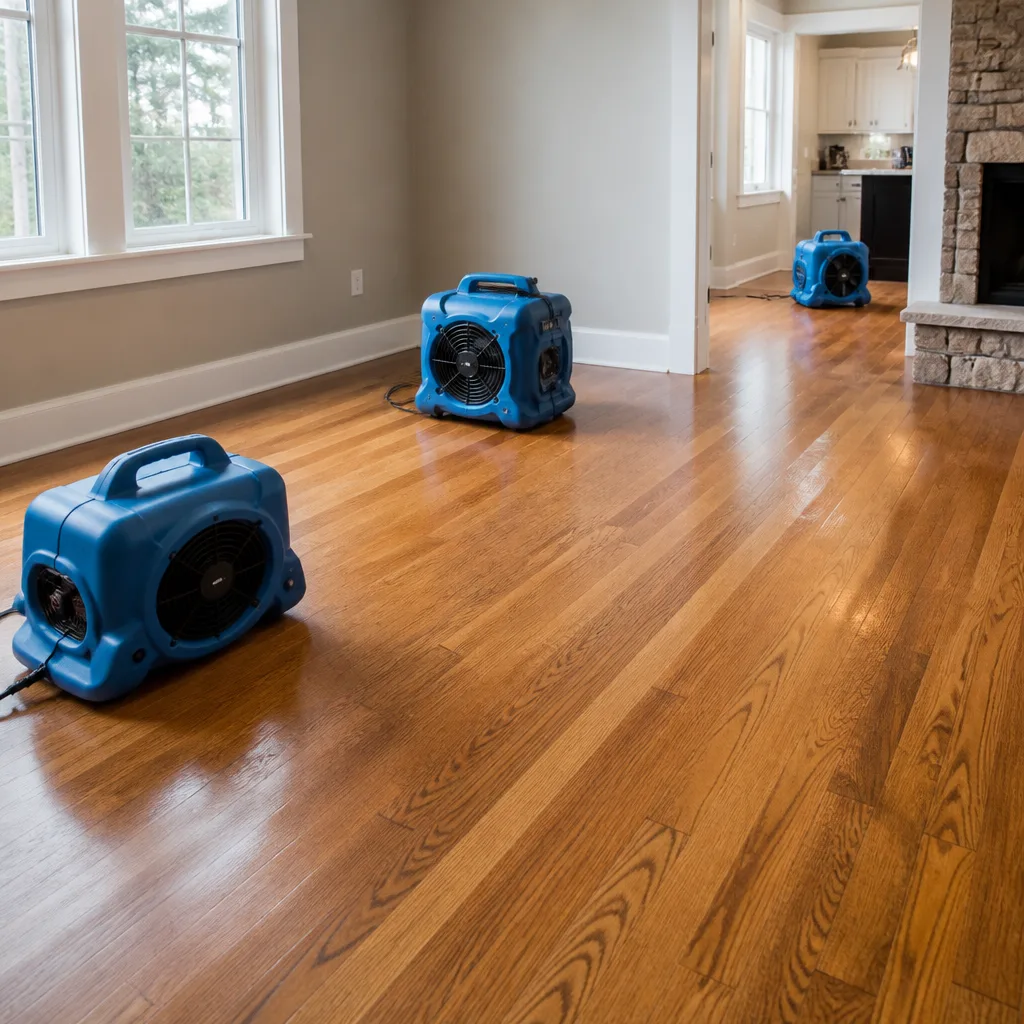
- Using a household fan to dry a wet floor after a leak. Household fans move air but don’t dehumidify. Moving wet air around the room spreads moisture into dry materials and can accelerate mold growth. Professional drying uses measured airflow from units like XPOWER and Phoenix combined with dehumidifiers that pull water out of the air, not push it around the room.
When to Call a Professional
Call when you’ve confirmed or strongly suspect active water intrusion and can’t identify the source. Call when a musty odor persists for more than a few days regardless of cleaning. Call when you see soft drywall, tenting flooring, or recurring white residue after a fire. Call when your water bill shows a jump you can’t explain. A professional assessment with a moisture meter and thermal imaging is not a sales pitch. It’s information. And on a job governed by The Garrison Standard, the assessment comes before any work is priced, and the price is in writing before anything starts. Keegan Restoration West Covina offers free estimates in West Covina. Call (559) 249-4798 and a live person answers, day or night.
Frequently Asked Questions
The first signs are a rising water bill with no change in usage, soft or spongy drywall without visible staining, and caulk or grout separation in wet areas. These show up weeks before a brown ceiling stain or a puddle appears. Call (559) 249-4798 for a free assessment if you notice any of them.
A musty odor means microbial activity is present somewhere, which almost always means mold or mildew is growing on a damp surface. The odor is a volatile organic compound released by the growth. Finding and eliminating the moisture source is the only way to stop the smell at its root.
Water under a slab travels through the soil along the path of least resistance until it finds a crack, a seam, or a plumbing penetration to surface through. The visible wet spot marks the exit point, not the leak point. Professional leak location uses acoustic and thermal equipment to trace the water back to the source before anyone starts breaking concrete.
Coverage depends on your policy and the cause of the loss. Sudden and accidental events like a burst pipe are typically covered. Long-term seepage or gradual leaks are often excluded or limited. The documentation method in this guide gives your adjuster the evidence needed to make a coverage decision accurately. The right documentation, prepared correctly, is the single biggest factor in how smoothly a claim goes.
Professional drying equipment from brands like Dri-Eaz and XPOWER is engineered to remove water from the air, not just move it around. Household fans increase evaporation but without dehumidification, the moisture re-condenses on cool surfaces and spreads the damage. Restorers measure progress daily with moisture meters. A fan gives you the feeling of drying without the result.
A live person answers the phone 24 hours a day, 7 days a week. For active water damage in West Covina, response time matters because every hour of active flow expands the damaged area. Call (559) 249-4798 and you’ll talk to a person who can dispatch a crew, not a phone tree that routes you to voicemail.
The Bottom Line
The warning signs that protect your West Covina home are the quiet ones. The water bill that climbs without explanation. The drywall that feels soft before it looks stained. The caulk that pulls away from a tub surround. The musty odor that only appears when the AC runs. These are the signals that restoration professionals look for because they indicate a problem that is still manageable. The visible stain, the standing water, the char mark, the smell that fills the room, those are late-stage indicators that mean the repair is already expensive. Learn to read the early signals, document what you find, and call a professional before the damage declares itself. For more guides & resources, visit our blog. The house will tell you what’s wrong. You just have to know how to listen.
Written by Shane Pruitt, Owner at Keegan Restoration West Covina, serving West Covina since 2005.
See the difference
 Before
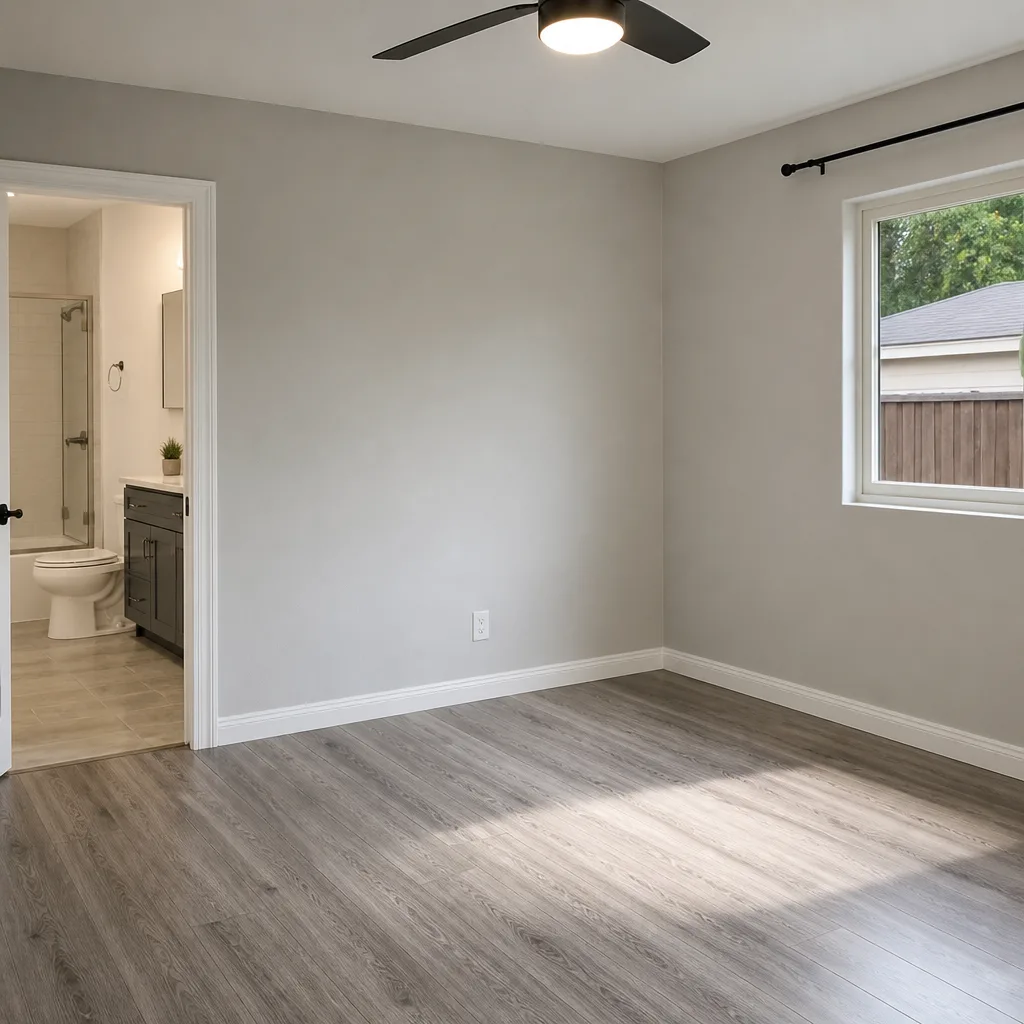 After
After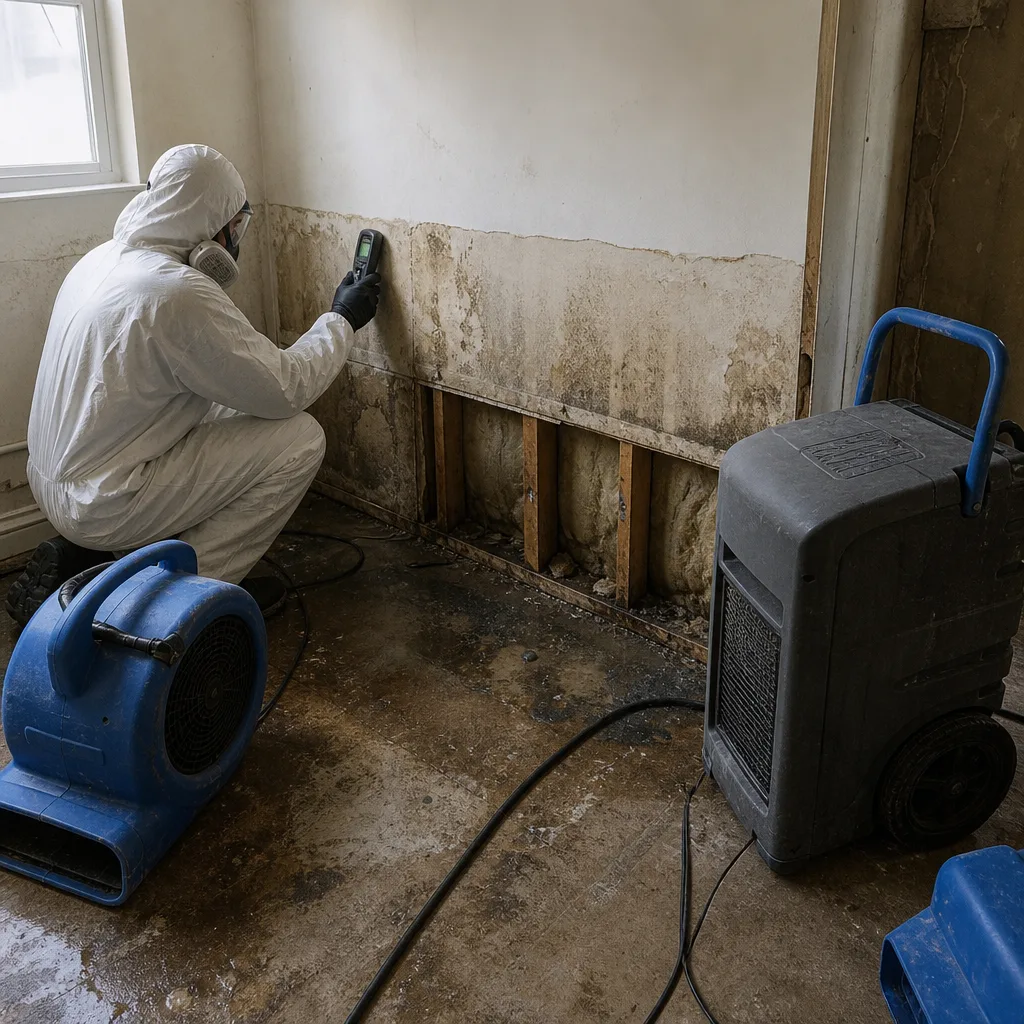 Before
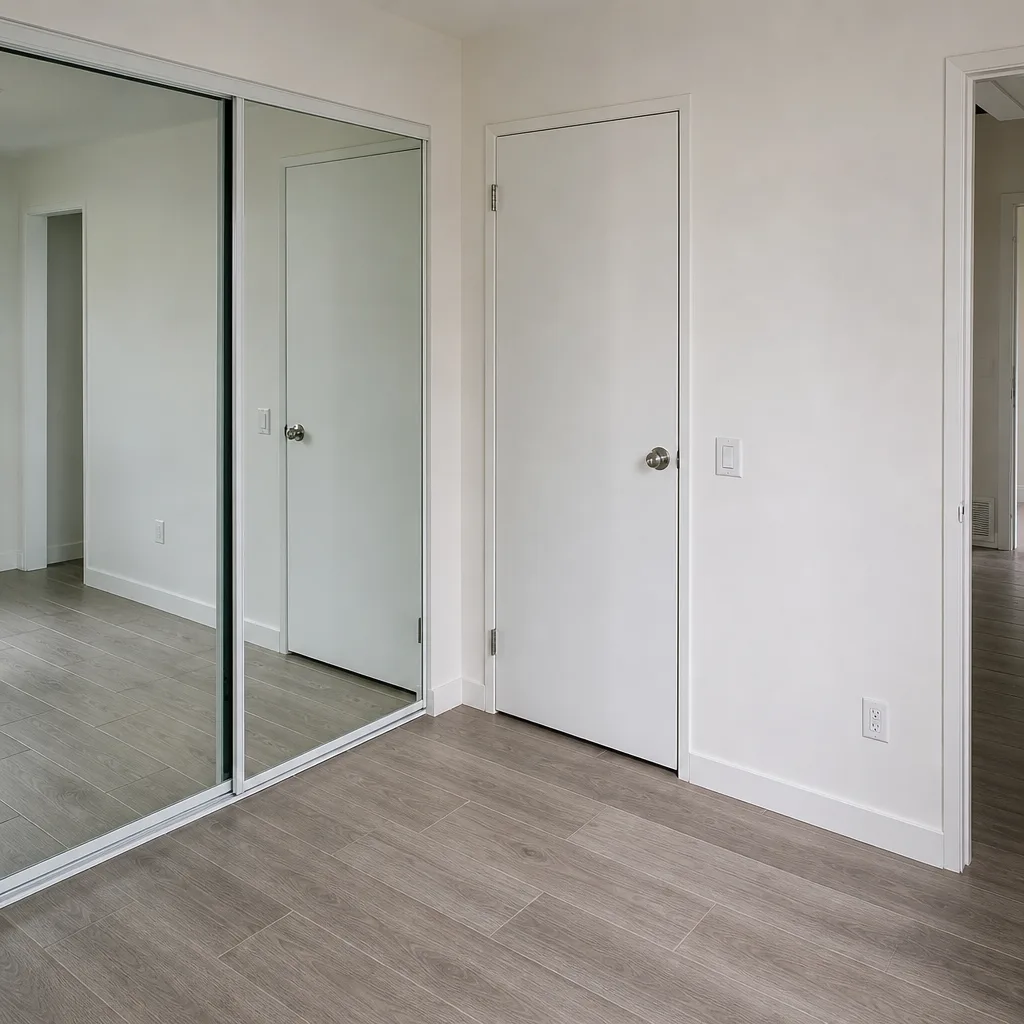 After
After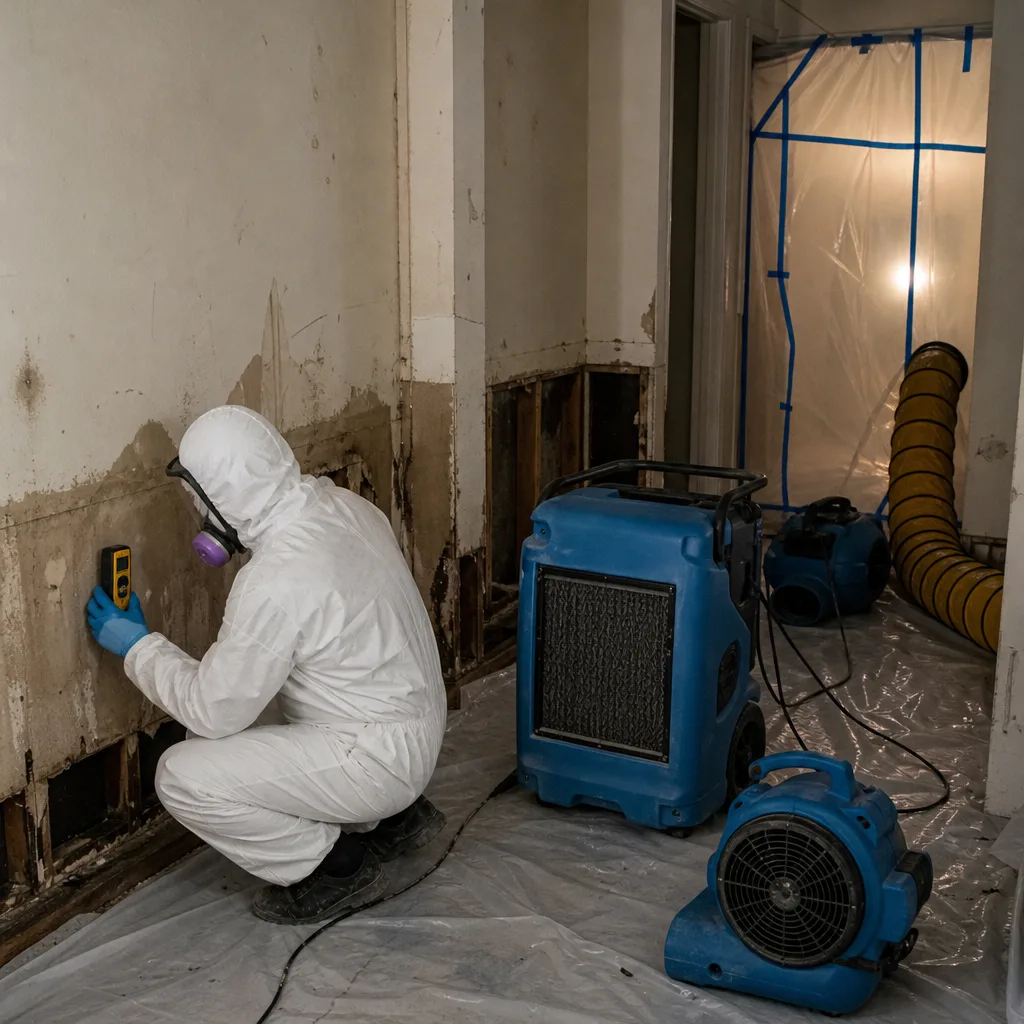 Before
 After
After